Carbohydrate-to-fat ratio linked to frailty in older Japanese adults
In older Japanese adults, those with the highest carbohydrate-to-fat ratio had 1.92 times the odds of frailty compared with those in the lowest quartile.
European Journal of Nutrition
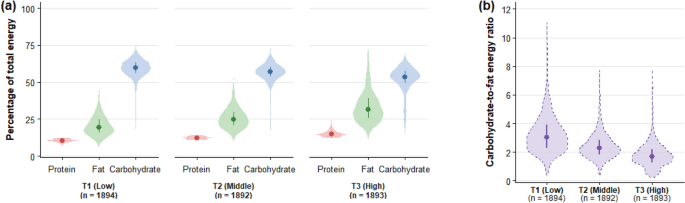
Researchers analysed cross-sectional data from 5,679 community-dwelling Japanese adults aged 65 years and older to investigate how the balance of carbohydrates and fats relates to frailty. Participants reported their diet through a 46-item food-frequency questionnaire, which was used to calculate the ratio of energy from carbohydrates to energy from fat. Frailty, defined by a Kihon Checklist score of 7 or higher, was identified in 1,705 participants (30.0%). Compared with the lowest fourth of the carbohydrate-to-fat ratio, adjusted odds ratios for frailty were 1.12 in the second fourth, 1.44 in the third, and 1.92 in the highest. Positive associations were also observed across protein-intake levels, with no evidence that protein intake modified the link.
Why it matters
In aging research, dietary strategies to prevent frailty have primarily focused on protein intake. These findings suggest that the wider balance of energy between carbohydrates and fats may also be relevant to understanding frailty in older age.
Caveats
The study was cross-sectional, so it cannot show whether a higher carbohydrate-to-fat ratio causes frailty. The findings also come from a single cohort of older Japanese adults whose diets and frailty scores may not reflect other populations.
The paper
Show 3 more authors
Jun Kunisawa, Hiroyuki Fujita, Misaka Kimura,National Institutes of Biomedical Innovation
European Journal of Nutrition · 7 Oct 2026