Premature menopause and risk of type 2 diabetes among postmenopausal women: findings from the Women's Health Initiative
Abstract
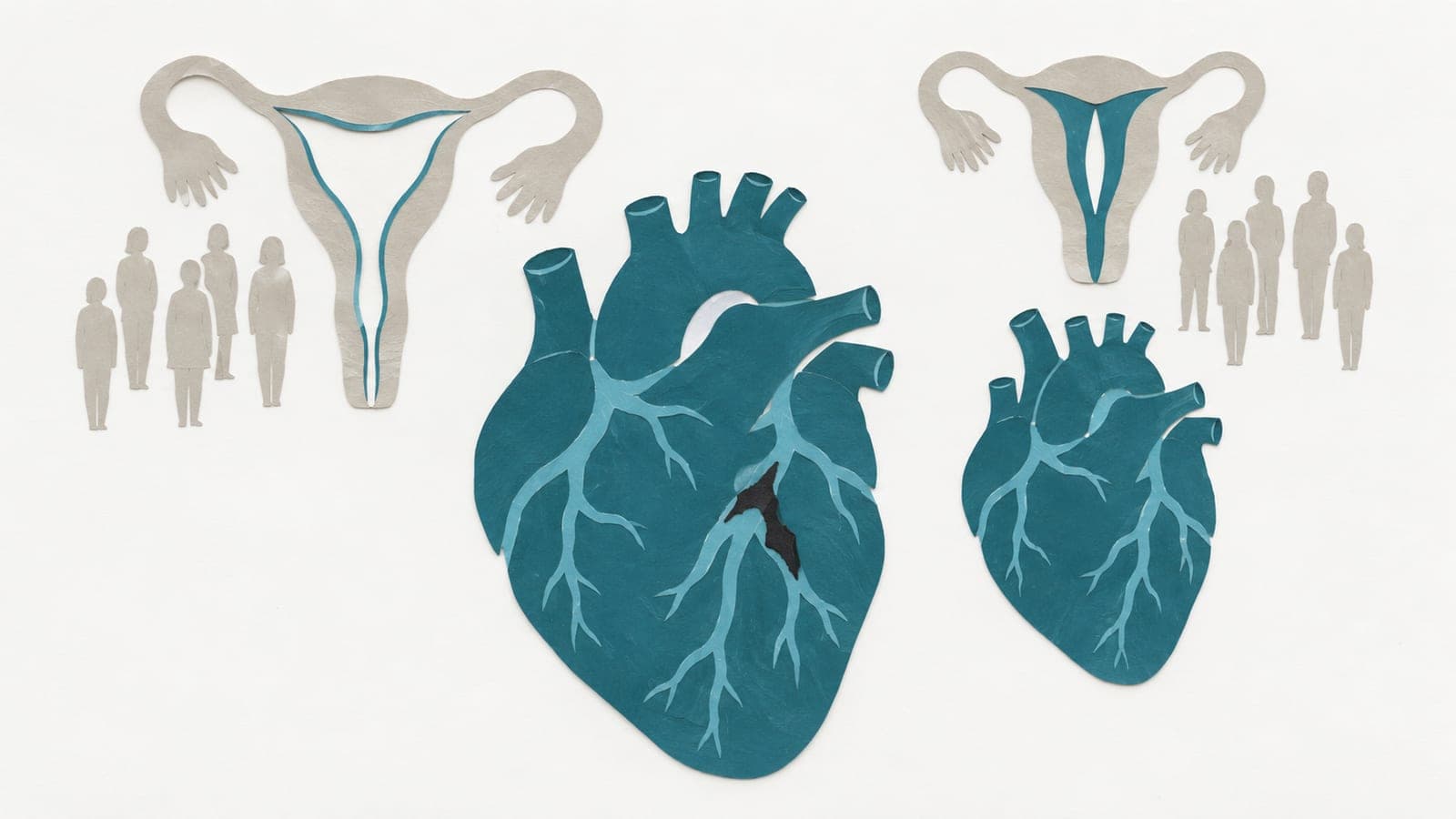
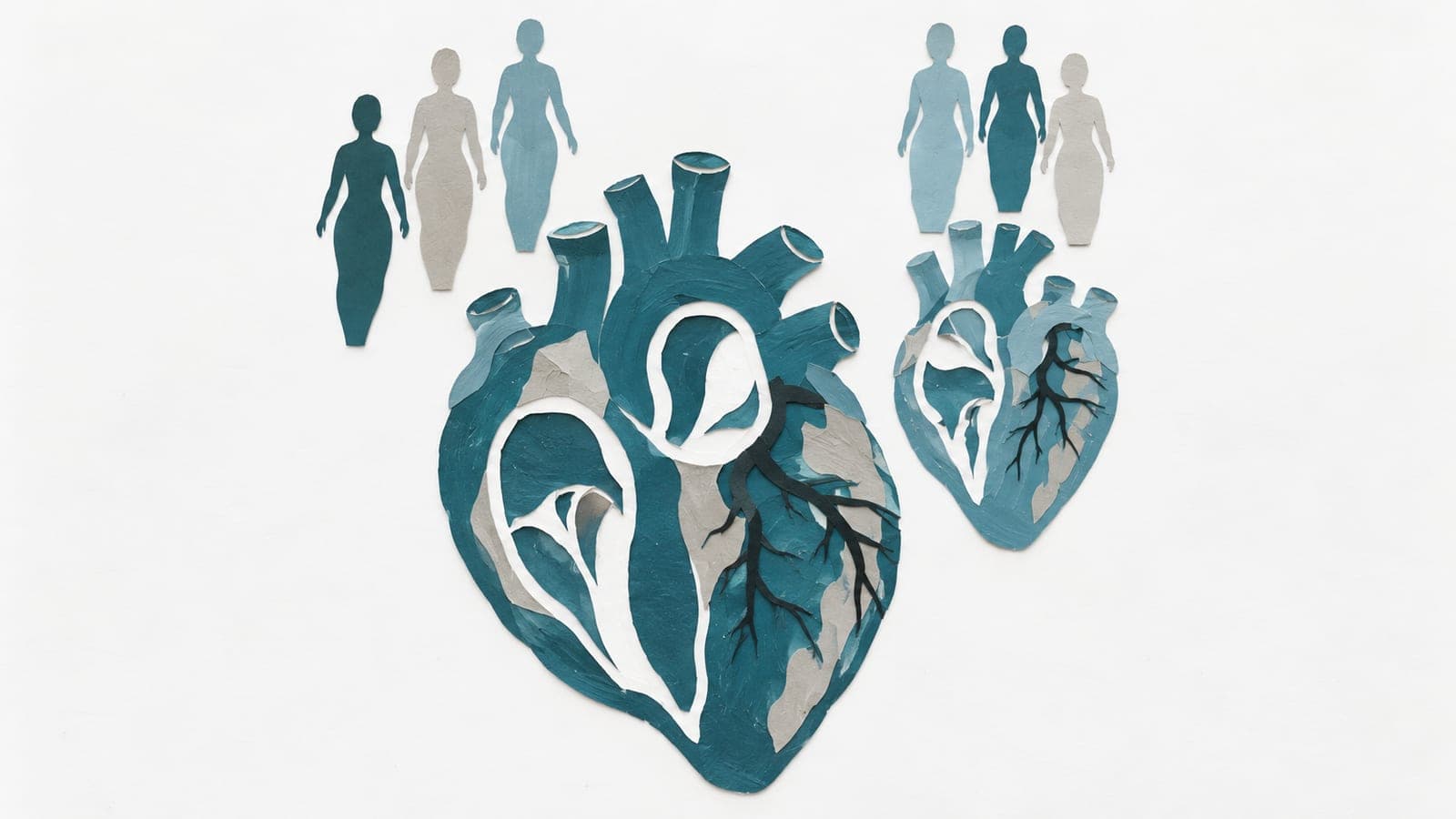
OBJECTIVE: The association between premature menopause (age below 40 y) and subsequent risk of type 2 diabetes (T2D) is not fully understood. Sex hormone fluctuation due to ovarian function, hormone therapy (HT), and menopause-related changes in body composition may likely modify or mediate this relationship, which is the focus of this study. METHODS: We included 136,759 postmenopausal women aged 50-70 years from the Women's Health Initiative. Menopausal age and type (natural vs. surgery-associated) were determined using self-reported reproductive history, surgeries, menopausal symptoms, and postmenopausal HT use. T2D incidence was determined through self-reported initiation of diabetes treatment. Multivariable Cox models assessed the association between premature menopause and T2D, adjusting for demographic, lifestyle, reproductive, and health-related factors. Interaction terms were used to evaluate effect modification by HT use. Mediation analysis quantified the contribution of body mass index (BMI) to this association. RESULTS: Premature menopause (n=13,230; 9.7%) was associated with a higher risk of T2D compared with menopause at ages 50-54 (hazard ratio [HR]: 1.10; 95% confidence interval [CI]: 1.05-1.16). Among women with natural menopause, HT use modified the relationship between premature menopause and T2D (Pinteraction=0.047). Elevated risks were observed among women who never used HT (HR: 1.24; 95% CI: 1.08-1.42) or used estrogen plus progestogen (HR: 1.35; 95% CI: 1.09-1.68), but not among estrogen-only users. BMI mediated (indirect effect: 27.9%; 95% CI: 19.0%-45.8%) of the association. CONCLUSIONS: Premature menopause was modestly associated with an increased T2D risk; this association varied by HT use and was partially mediated by BMI.
The paper
Indiana University Bloomington
Menopause, 13 Oct 2026