Sodium-glucose cotransporter 2 inhibitors vs. glucagon-like peptide-1 receptor agonists and dipeptidyl peptidase-4 inhibitors for incident and recurrent urolithiasis: a European Association of Urology Endourology systematic review
Preregistered CRD420261366483
Abstract
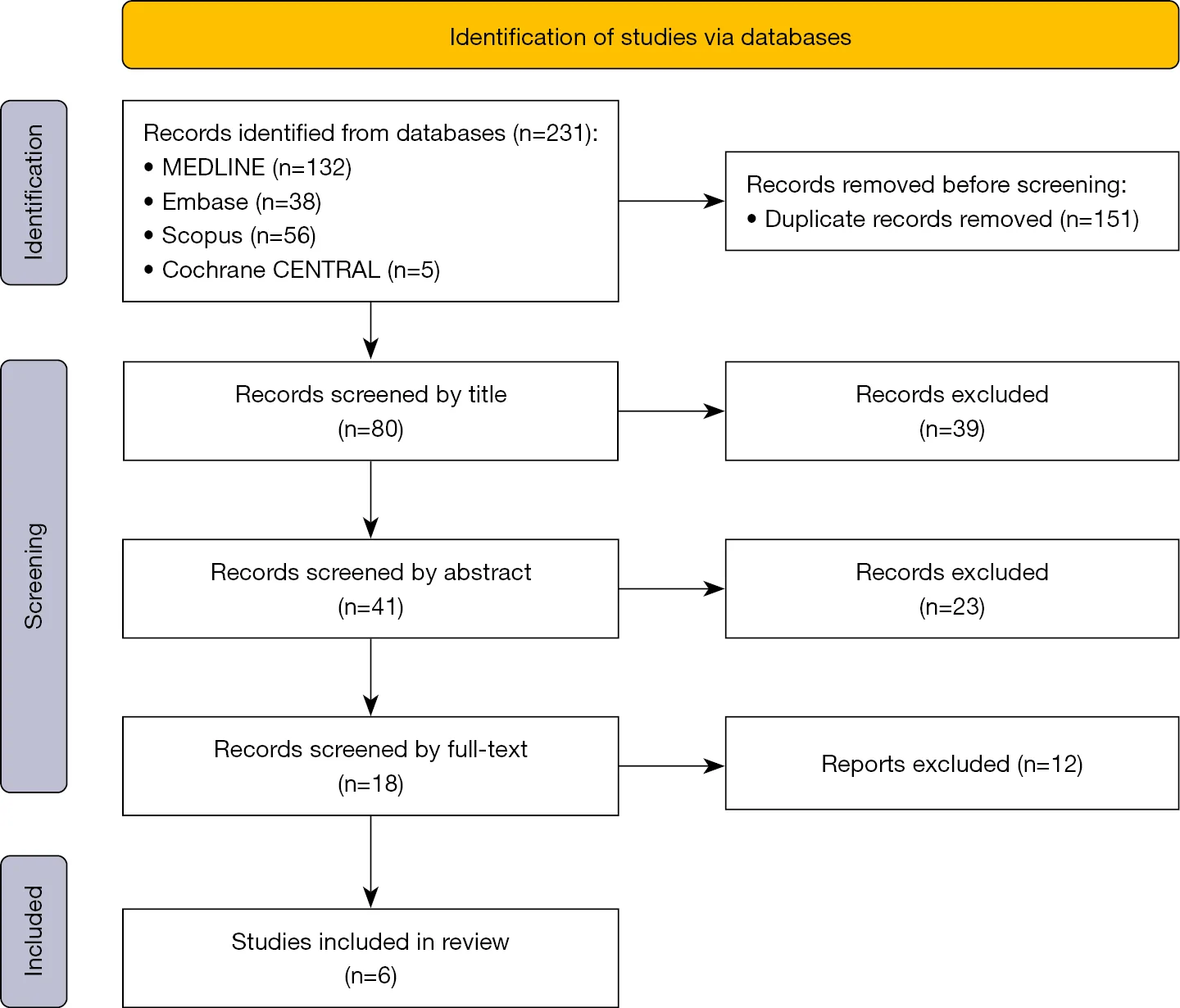
BACKGROUND: Urolithiasis is a recurrent metabolic condition associated with obesity, metabolic syndrome, and type 2 diabetes (T2D), yet the relationship between modern antidiabetic drug classes and stone risk remains incompletely defined. This systematic review aimed to evaluate comparative clinical-event evidence on sodium-glucose cotransporter 2 inhibitors (SGLT2i), glucagon-like peptide-1 receptor agonists (GLP-1 RA), and dipeptidyl peptidase-4 inhibitor (DPP-4i) in relation to incident, recurrent, or severe urolithiasis outcomes. METHODS: This systematic review (PROSPERO ID: CRD420261366483) was reported according to PRISMA 2020. The PICO framework was: (P) adults receiving antidiabetic pharmacotherapy; (I) SGLT2i use; (C) GLP-1 RA, DPP-4i, or other active antidiabetic therapies; and (O) incident, recurrent, or severe urolithiasis events. MEDLINE, Embase, Cochrane CENTRAL, and Scopus were searched from inception through April 2026, with additional studies identified through reference-list screening. Risk of bias was assessed using ROBINS-I. Findings were synthesized narratively. RESULTS: Six comparative clinical-event studies met inclusion criteria. All were observational studies using active antidiabetic comparators. Across studies, SGLT2i use was consistently associated with lower urolithiasis risk compared with GLP-1 RA or DPP-4i vs. GLP-1 RA, SGLT2i were associated with lower incident and recurrent urolithiasis outcomes, with hazard ratios (HRs) ranging from 0.51 to 0.69 and rate ratios from 0.58 to 0.82 vs. DPP-4i, SGLT2i were associated with lower incident, recurrent, and procedure-requiring stone outcomes, with HRs ranging from 0.33 to 0.84 and rate ratios from 0.63 to 0.73. The absolute risk reduction appeared greatest among patients with prior or recently active urolithiasis. All included studies were judged to have moderate overall risk of bias. CONCLUSIONS: SGLT2i use was consistently associated with lower incident, recurrent, and procedure-requiring urolithiasis risk vs. GLP-1 RA or DPP-4i. Absolute risk differences were greatest among patients with prior or recently active urolithiasis. Given the observational evidence and moderate risk of bias, prospective studies with prespecified stone outcomes are needed.
From the paper
- Participants
The study included 20,146 patients with urolithiasis and T2Ds before weighting, and follow-up averaged 1.3 years among SGLT2i users and 0.93 years among GLP-1 RA users.
- Follow-up
In that study, 12,325 matched SGLT2i users and 12,325 matched GLP-1 RA users were included after propensity score matching, with a median follow-up of approximately 2 years.
- Result
In the incident-stone analysis by Kristensen et al., SGLT2i initiators had a lower rate of incident urolithiasis than GLP-1 RA initiators (2.0 vs. 4.0 events per 1,000 person-years), corresponding to an HR of 0.51 (95% CI: 0.37–0.71) and a rate difference of −1.9 events per 1,000 person-years.
- Absolute difference
After 1:1 propensity score matching, SGLT2i initiators had a lower urolithiasis event rate than GLP-1 RA initiators (14.9 vs. 21.3 events per 1,000 person-years), corresponding to an HR of 0.69 (95% CI: 0.67–0.72) and a rate difference of −6.4 events per 1,000 person-years.
- Limitation
First, the included evidence base was small and consisted entirely of observational studies, so causal inference remains limited despite the use of active comparator designs, propensity score methods, and target trial emulation in several studies.
Quoted word for word from the full text on tau.amegroups.org.
The paper
Università Campus Bio-Medico
Translational Andrology and Urology, Sep 23, 2026, Open access