Cumulative obesity exposure and hepato-pancreato-biliary cancer risk following different weight-loss interventions: retrospective cohort study
Abstract
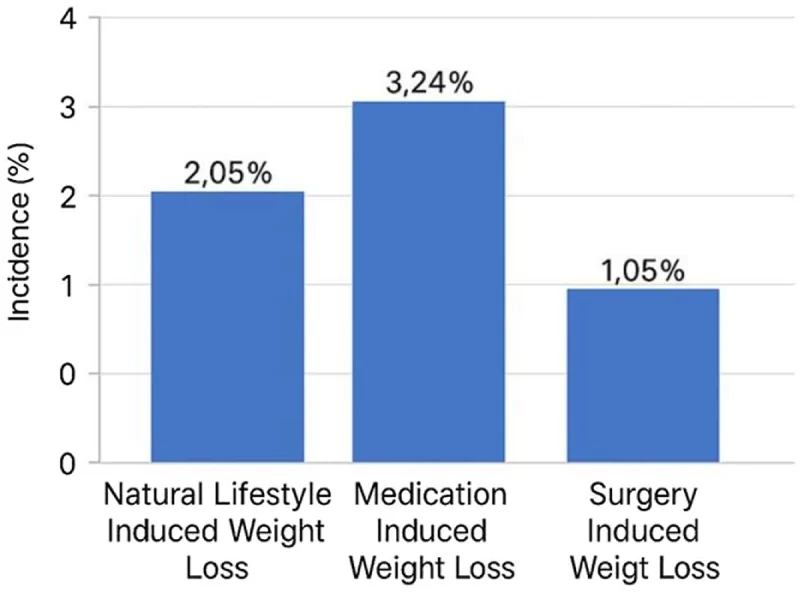
BACKGROUND: Obesity is a time-dependent carcinogenic exposure associated with an increased risk of hepatopancreatobiliary (HPB) cancers. Although weight-loss interventions improve metabolic status, the comparative oncologic impact and the role of cumulative obesity duration remain unclear. OBJECTIVES: To compare HPB cancer incidence across lifestyle-based, pharmacologic, and surgical weight-loss strategies and to assess whether differences in cumulative obesity exposure before and after weight reduction may influence cancer risk. SETTING: A retrospective cohort study at a tertiary university hospital in Israel. METHODS: We analyzed 1131 adults who achieved weight loss between 2010 and 2024 through lifestyle modification, weight-loss medications, or bariatric surgery. For each patient, the duration of obesity before and after weight loss, the magnitude of BMI reduction, and follow-up intervals were recorded. HPB cancers - including hepatocellular carcinoma, pancreatic ductal adenocarcinoma, cholangiocarcinoma, and gallbladder carcinoma - were identified through national registry linkage. Group differences were evaluated using analysis of variance, Kruskal-Wallis, χ² tests, and unadjusted risk ratios and odds ratios. RESULTS: Twenty-seven HPB cancers were identified. Incidence did not differ significantly among lifestyle (2.05%), medication-induced (3.24%), and surgery-induced (1.05%) groups (P = 0.334). Bariatric surgery had the lowest numerical incidence, whereas pharmacologic therapy had higher numerical rates; however, these differences were not statistically significant and should be interpreted cautiously. Obesity duration before weight loss differed significantly across groups (P < 0.001), and post-weight-loss duration showed a borderline difference (P = 0.050). BMI reduction was similar across interventions. CONCLUSIONS: Although no statistically significant differences in HPB cancer incidence were observed among weight-loss strategies, exploratory numerical differences were noted, with the lowest crude incidence in the bariatric surgery group. Given the limited number of events, these findings should be interpreted cautiously and viewed as hypothesis-generating only. Further adequately powered prospective studies are required before any clinical inference can be made.
- Bariatric surgery
- Lifestyle modification
- Weight loss medications
- Obesity
- Hepatopancreatobiliary cancer
- Humans
The paper
Ben-Gurion University of the Negev
Annals of Medicine and Surgery, 16 Sep 2026


