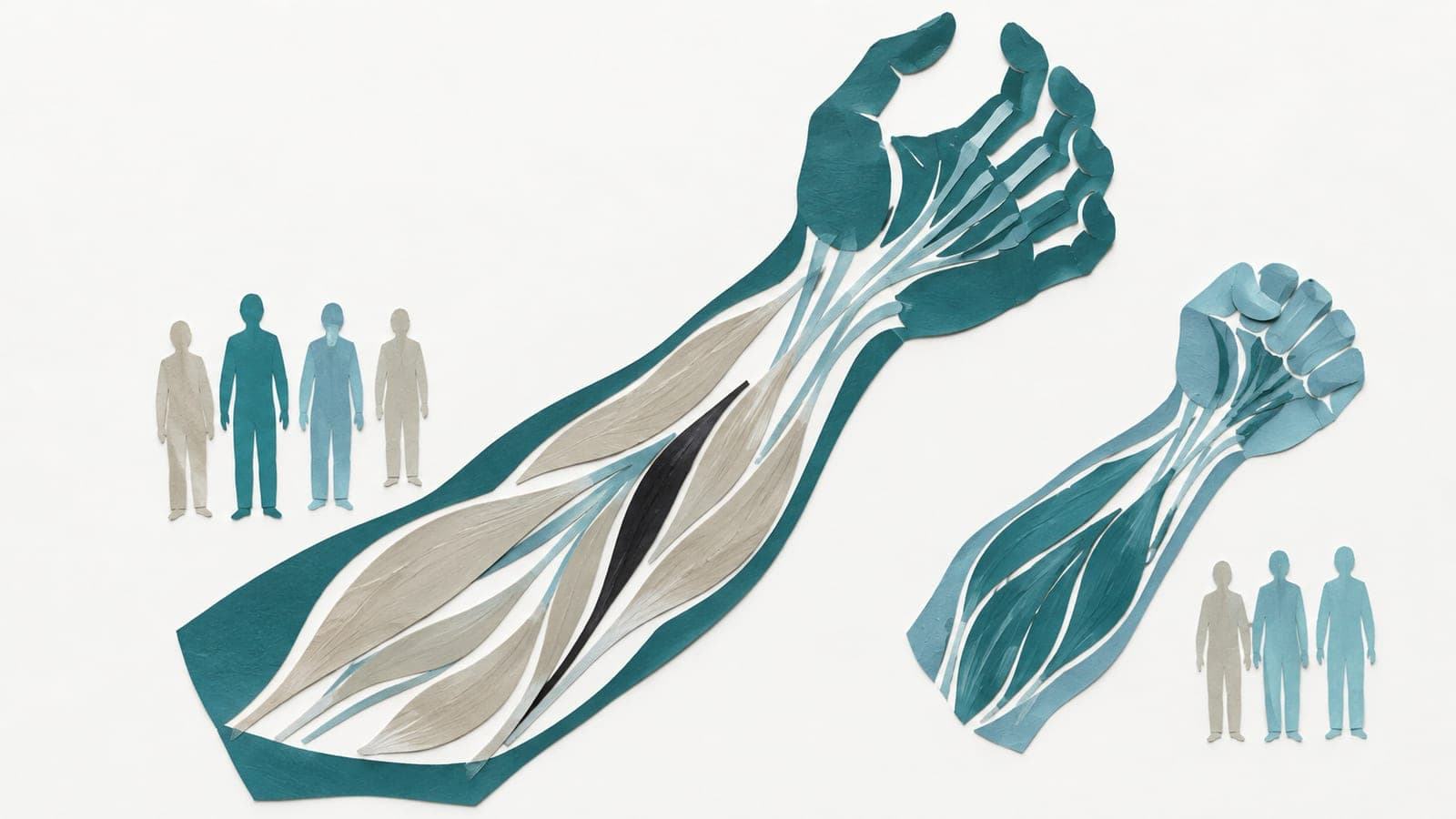
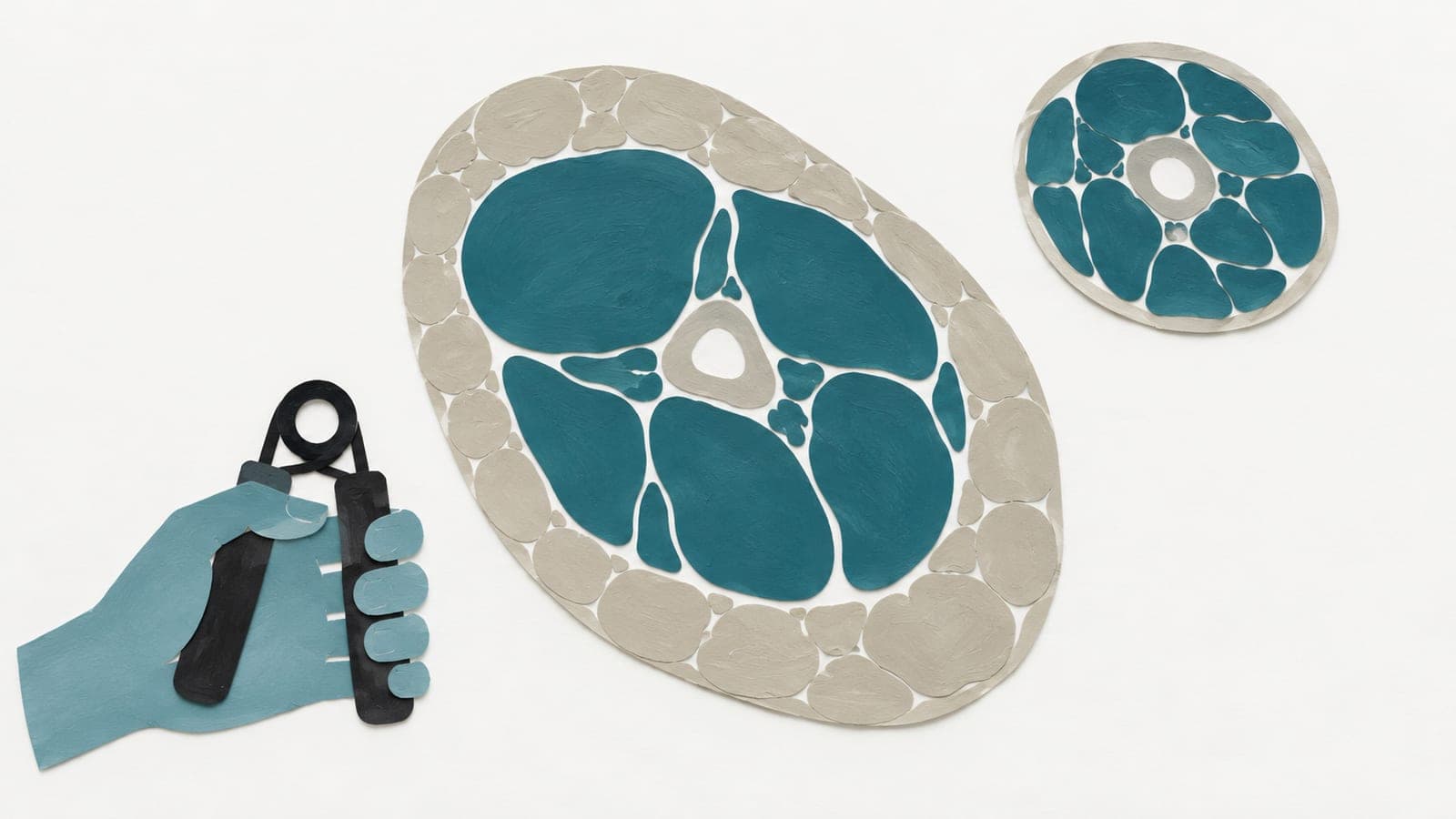
Prevalence of Sarcopenia in Korean Adults Based on the Asian Working Group for Sarcopenia 2025 Criteria: Analysis of the 2024 Korea National Health and Nutrition Examination Survey
Abstract
BACKGROUND: The Asian Working Group for Sarcopenia (AWGS) updated its diagnostic guideline in 2025 to incorporate body mass index (BMI)-adjusted cut-off values for muscle mass and extended diagnostic criteria to middle-aged adults (50-64 years). Using nationally representative data from the 2024 Korea National Health and Nutrition Examination Survey (KNHANES), we examined how the new AWGS 2025 criteria influence the prevalence of sarcopenia among Korean adults and characterized age- and sex-specific patterns. METHODS: The study population comprised 2,366 adults aged ≥ 50 years (876 men and 1,490 women) who participated in the 2024 KNHANES. Participants were stratified by sex and age group (50-64 years and ≥ 65 years). Low muscle mass was assessed using dual-energy X-ray absorptiometry (DEXA) and bioimpedance analysis (BIA) according to AWGS 2025 criteria, which incorporate both height-adjusted (kg/m²) and BMI-adjusted (kg/m² per BMI) thresholds. Prevalence estimates were weighted to account for the complex sampling design. RESULTS: Among adults ≥ 80 years, sarcopenia prevalence increased sharply (35.4% in women and 28.8% in men by DEXA). Age-specific prevalence was low in the 50-54 year group (men 2.7%, women 3.2%), rose gradually through the seventies, and increased steeply thereafter. Women exhibited higher prevalence than men in the oldest age group. Comparison between BIA and DEXA measurements showed divergence with age: at 50-54 years, BIA yielded higher appendicular skeletal muscle mass than DEXA (23.77 kg vs. 23.10 kg); at ≥ 80 years, BIA yielded lower values (18.65 kg vs. 20.35 kg). CONCLUSION: Application of the AWGS 2025 BMI-adjusted criteria identifies a substantial proportion of Korean older adults at risk of sarcopenia, with women aged ≥ 80 years particularly vulnerable. The divergence between BIA and DEXA measurements in very old adults suggests that measurement modality should be carefully considered in clinical practice. These findings provide timely evidence for public health planning as Korea enters a super-aged society.
From the paper
- Participants
A total of 2,366 participants were included in the final analysis, comprising 876 men and 1,490 women.
Quoted word for word from the full text on jkms.org.
The paper
Inha University; Bumin Hospital Group
Journal of Korean Medical Science, 12 Oct 2026