Progressive Amyloid-Related Imaging Abnormalities After Discontinuation of Lecanemab in Early Alzheimer Disease in an APOE ε2/ε4 Carrier
Abstract
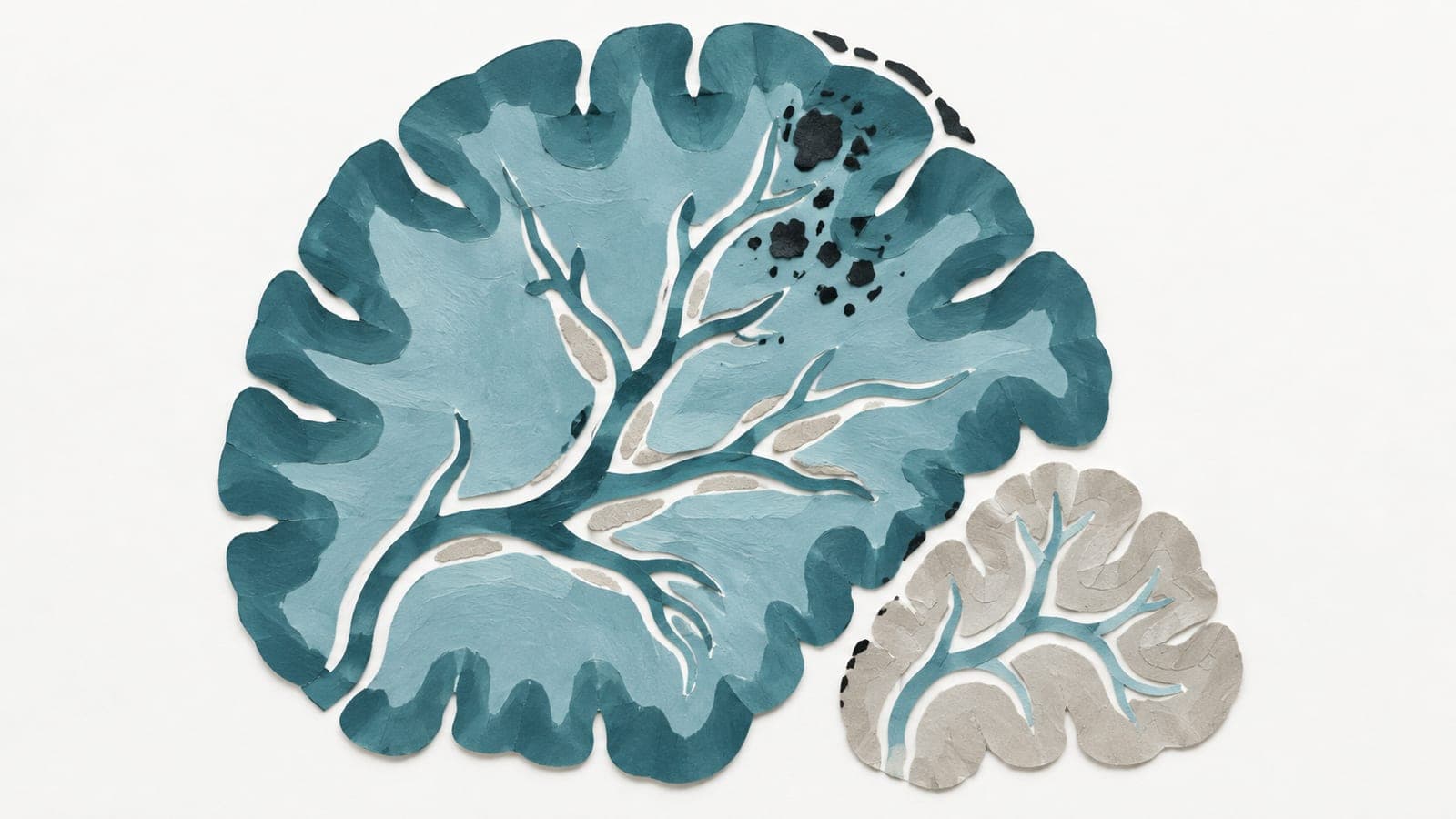
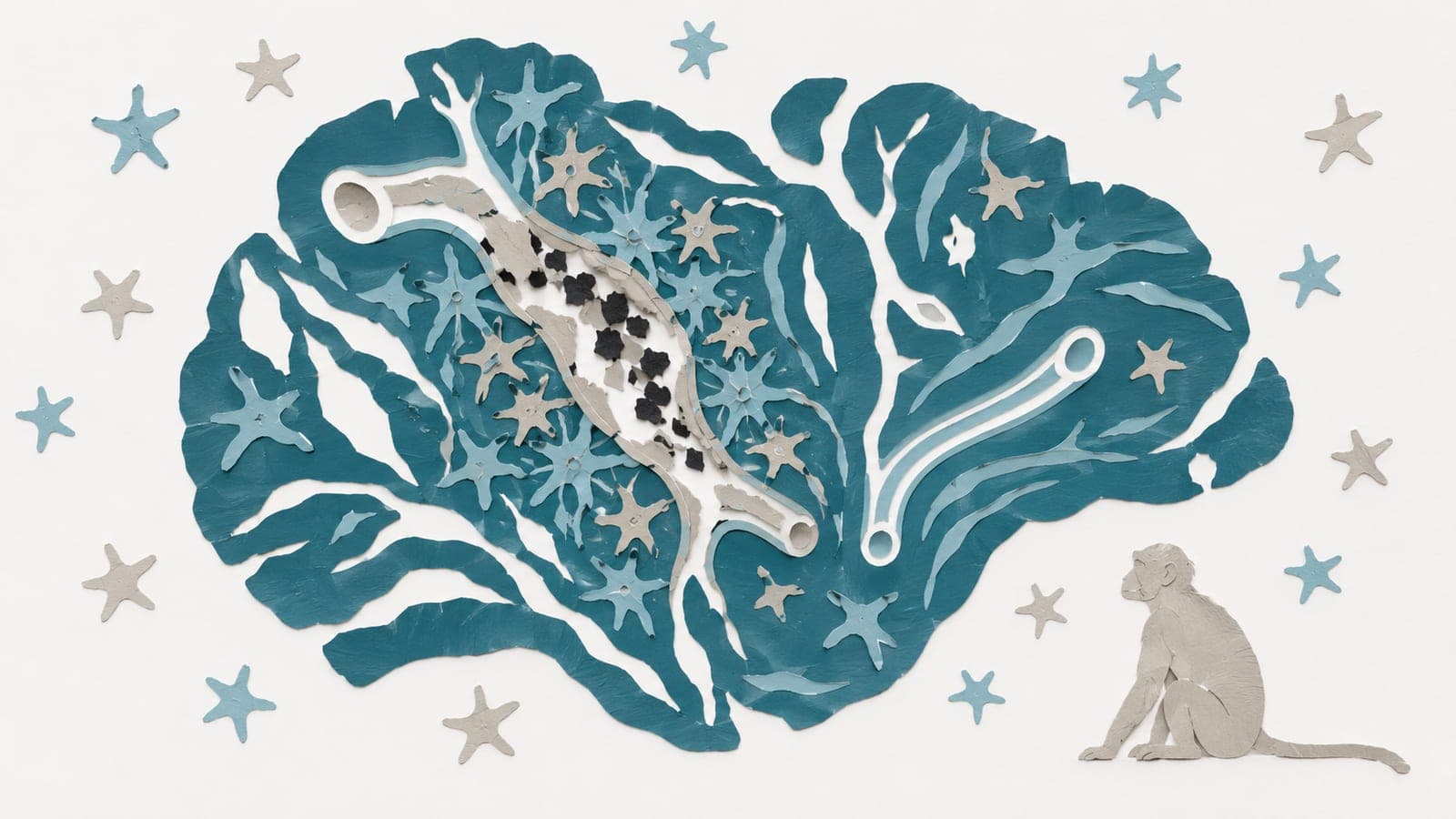
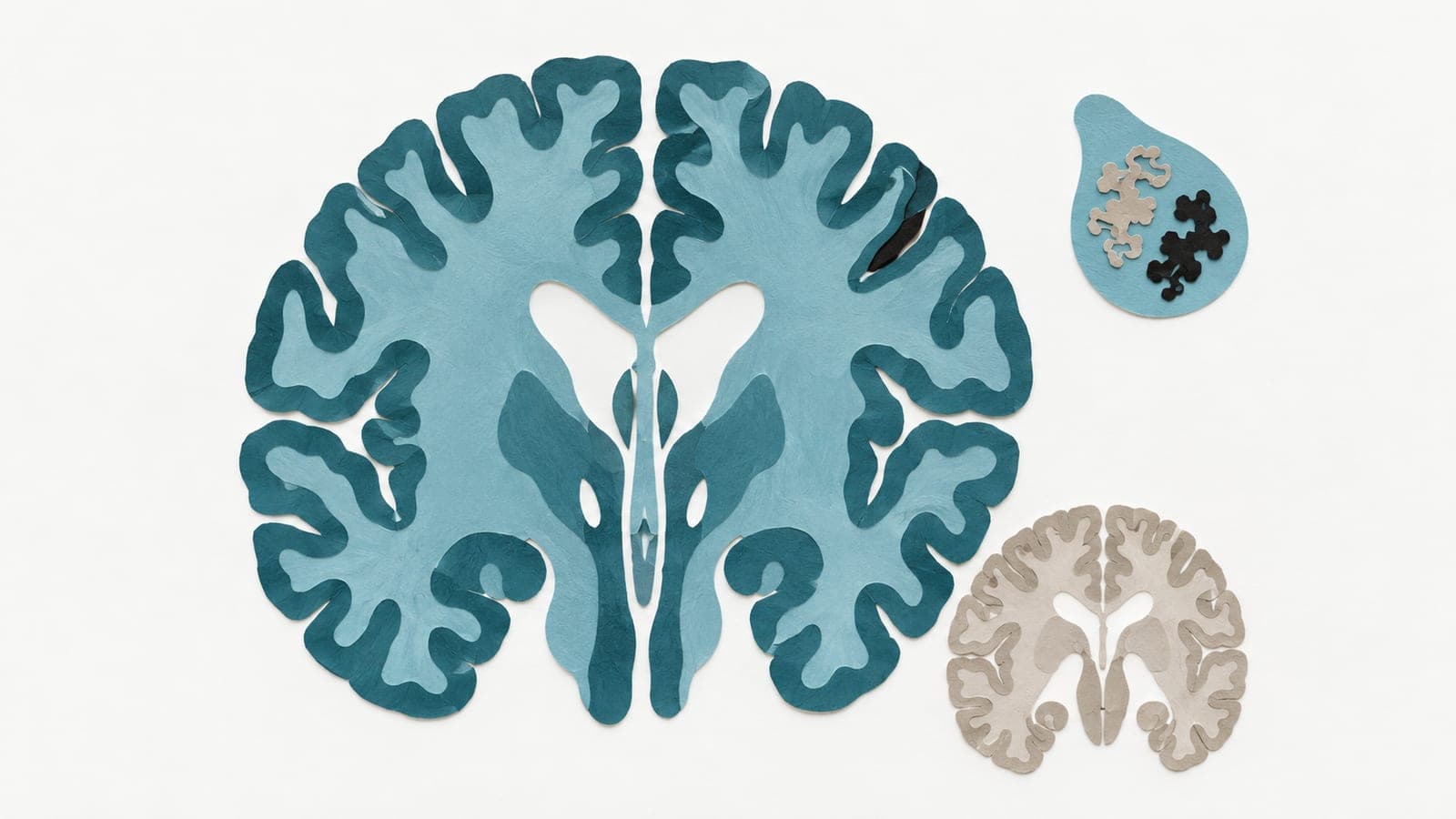
BACKGROUND: Amyloid-related imaging abnormalities (ARIA) are the most relevant adverse events associated with anti-amyloid therapies in Alzheimer's disease. METHODS: We report a case of progressive ARIA after discontinuation of lecanemab in a patient with early-onset Alzheimer's disease carrying the rare APOE ε2/ε4 genotype. RESULTS: After two infusions, mild ARIA-edema (ARIA-E) and ARIA-hemorrhage (ARIA-H) were detected on routine MRI, prompting treatment interruption. Despite partial radiologic regression, follow-up MRI 8 weeks after discontinuation demonstrated marked progression with multifocal ARIA-H displaying as superficial siderosis, while the patient remained clinically asymptomatic. Corticosteroid treatment was initiated and lecanemab permanently discontinued. CONCLUSION: This case highlights that severe ARIA may progress beyond active treatment exposure and emphasizes the importance of continued MRI surveillance even after therapy cessation. Furthermore, the APOE ε2/ε4 genotype may represent a distinct risk factor for cerebral amyloid angiopathy-related vascular fragility and hemorrhagic ARIA.
The paper
Comprehensive Cancer Center Vienna
European Journal of Neurology, 1 Oct 2026, Open access