Cooperative Stem Cell Homing and Photothermal Protection Driven by an Injectable Hydrogel for Bone-Vascular Regeneration
Abstract
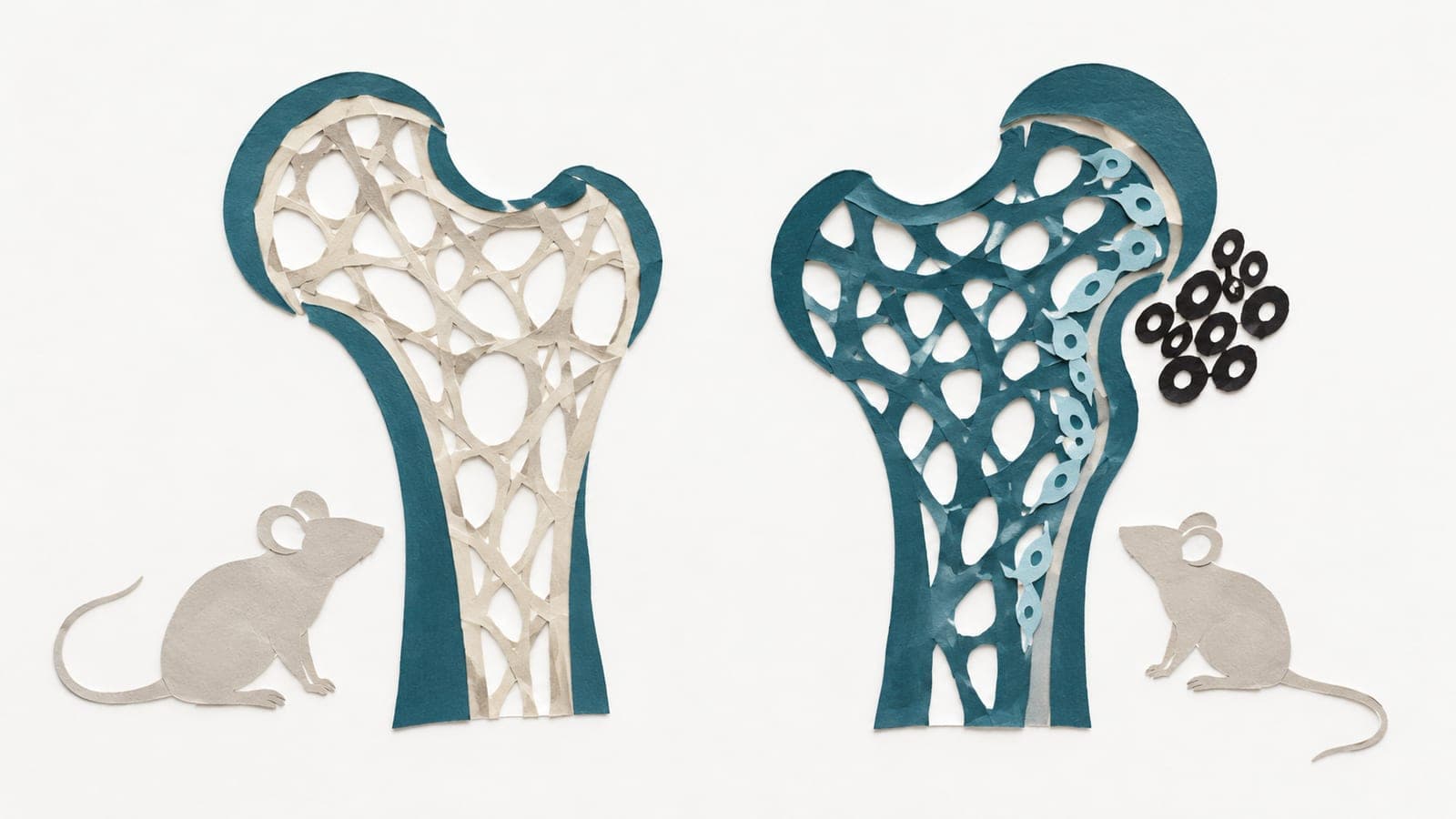
Bone defects caused by trauma or disease present significant clinical challenges, necessitating advanced biomaterials that simultaneously recruit stem cells and orchestrate a conducive microenvironment for repair. Here, we present an injectable hydrogel system designed to drive integrated bone-vascular regeneration through targeted stem cell homing and localized metabolic rescue. The composite hydrogel, crosslinked from gelatin and oxidized starch, integrates liposome-encapsulated stromal cell-derived factor-1 (SDF-1) and MXene-enabled GelMA microspheres. This minimally invasive system addresses two critical regenerative phases. First, liposomal SDF-1 undergoes controlled release to effectively recruit endogenous bone marrow mesenchymal stem cells (BMSCs). Concurrently, under near-infrared irradiation, the MXene-GelMA microspheres generate mild localized heat stress (40-42 °C). Crucially, this targeted photothermal therapy acts as a metabolic rescue mechanism; it upregulates heat shock protein 70 (HSP70) in BMSCs to mitigate apoptosis, stimulating endothelial cells to promote robust angiogenesis. In vitro, this cooperative environment significantly enhanced osteogenic differentiation and vascular network formation. In vivo application in a rat critical-sized calvarial defect model validated the hydrogel's therapeutic efficacy. At 8 weeks, the composite system increased the bone volume fraction (BV/TV) by 21.07% compared to a commercial bone repair material, accompanied by extensive neovascularization. This multifunctional hydrogel establishes a synchronized, translatable strategy for advanced tissue engineering.
The paper
Huizhou Central People's Hospital Academy of Medical Sciences
Advanced Healthcare Materials, 12 Oct 2026