Adipose-derived microvascular fragments: Functional microtissue units driving vascular integration and multidimensional tissue regeneration
Abstract
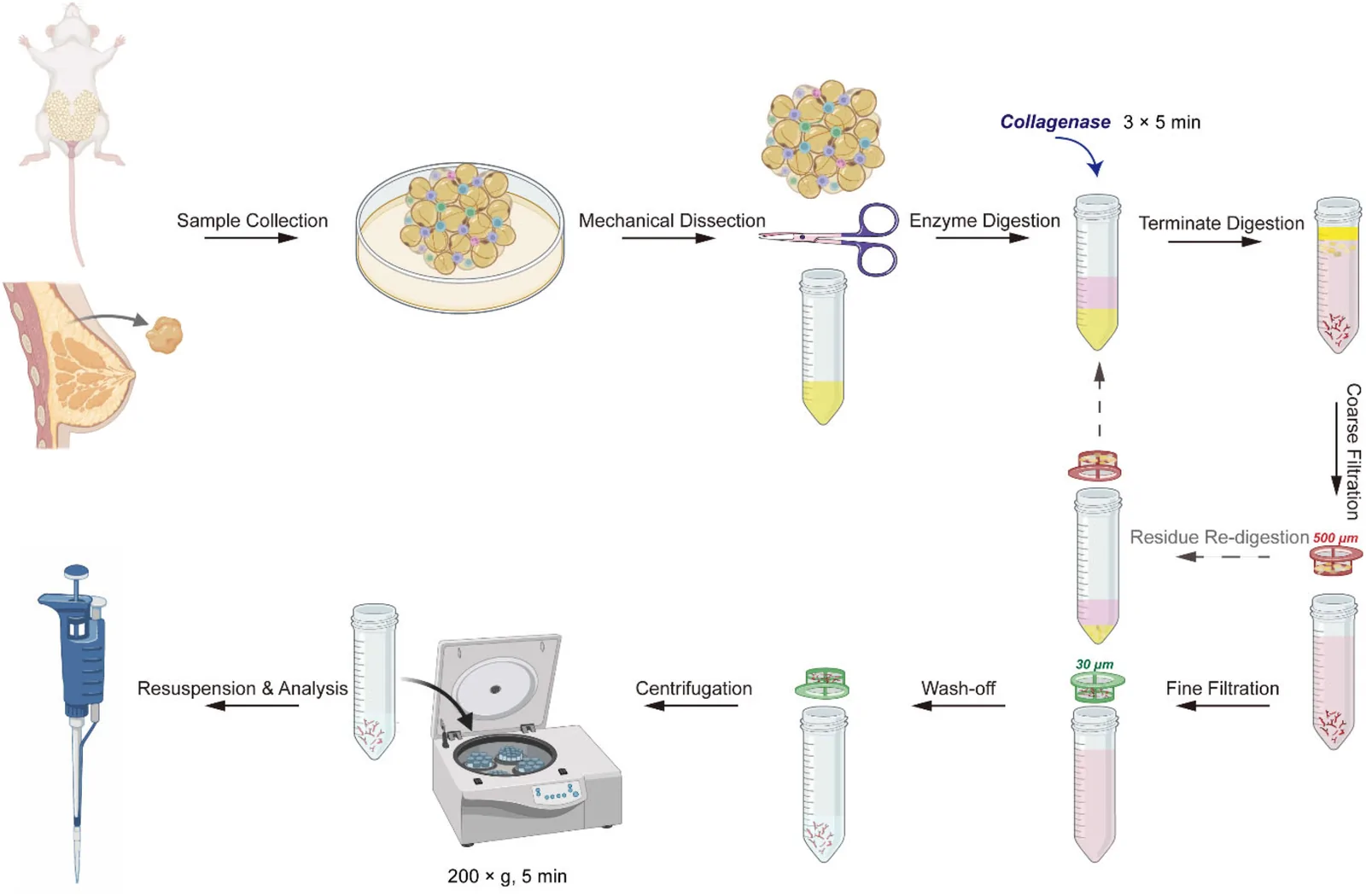
Rapid and stable vascularization remains one of the major challenges in regenerative medicine and tissue engineering. Adipose-derived microvascular fragments (ad-MVFs) have emerged as a promising vascularization strategy because they preserve intact microvascular architecture while retaining endothelial cells, perivascular cells, extracellular matrix, and niche components. Unlike conventional strategies that primarily rely on host-driven angiogenesis, ad-MVFs can rapidly integrate with the host vasculature and establish functional perfusion. Beyond vascularization, ad-MVFs contribute to tissue remodeling, immune regulation, and microenvironment restoration. These properties have enabled their applications in ischemic tissue repair, soft tissue regeneration, metabolic tissue engineering, disease modeling, and biofabrication. This review summarizes current knowledge of ad-MVF biology, isolation and preservation strategies, mechanisms of vascular integration, and emerging biomedical applications. We also discuss key challenges for clinical translation and future development opportunities. By viewing ad-MVFs as functional microtissue units, this review highlights their potential as a versatile platform for regenerative medicine.
The paper
Jiangsu Province Hospital; Jiangsu Cancer Hospital
Regenerative Therapy, 30 Sep 2026