Tool improves mitochondrial DNA analysis in reference datasets
Computational tests found that Himito outperformed existing tools at assembling mitochondrial genomes and identifying DNA differences in reference datasets.
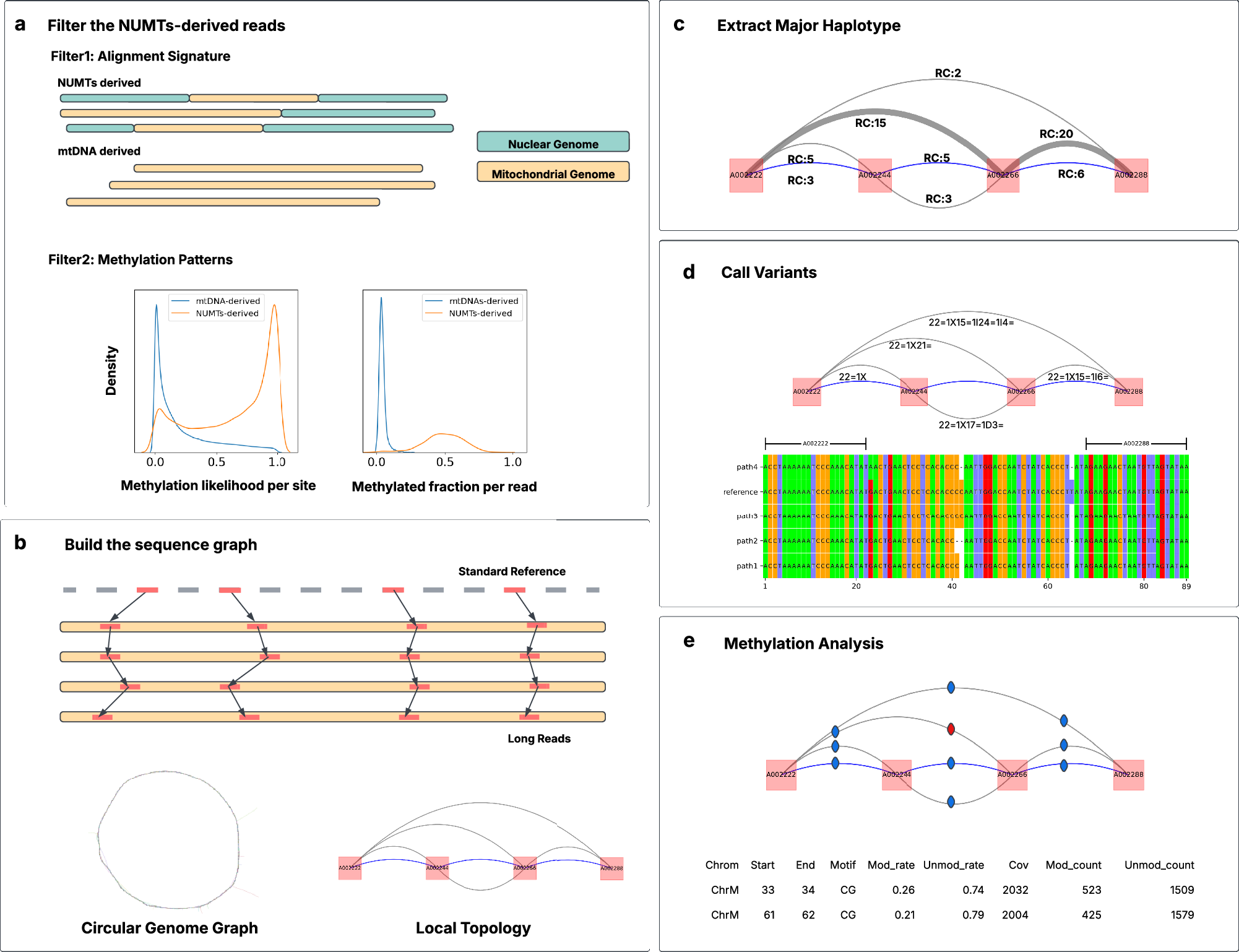
Researchers evaluated Himito in a computational study using reference datasets and the All of Us v8 dataset. The toolkit analyses mitochondrial DNA, the genetic material in cells’ energy-producing structures. It uses long-read sequencing, which reads long stretches of DNA that can span the mitochondrial genome.
Himito filters out reads from mitochondrial sequences embedded in the DNA of the cell nucleus. It represents mitochondrial DNA diversity as a network, assembles genome sequences, identifies DNA differences and analyses a chemical DNA modification called 5-methylcytosine. In reference datasets, it performed better than existing tools at genome assembly and identifying DNA differences. In the All of Us dataset, it identified disease-causing mitochondrial DNA variants, described population-level diversity and found age-related genetic and DNA-modification patterns.
Why it matters
Understanding mitochondrial DNA and its chemical modifications is part of investigating aging and disease. The toolkit offers a way to examine these features together.
Caveats
This computational study did not test whether mitochondrial DNA changes cause aging or disease. The age-related patterns came from dataset analysis, not an experiment establishing cause and effect.