Method maps cell ancestry and gene activity in human blood
The method paired gene activity and DNA-marking measurements at about 10,000 cells per sequencing library, a collection of prepared genetic material.
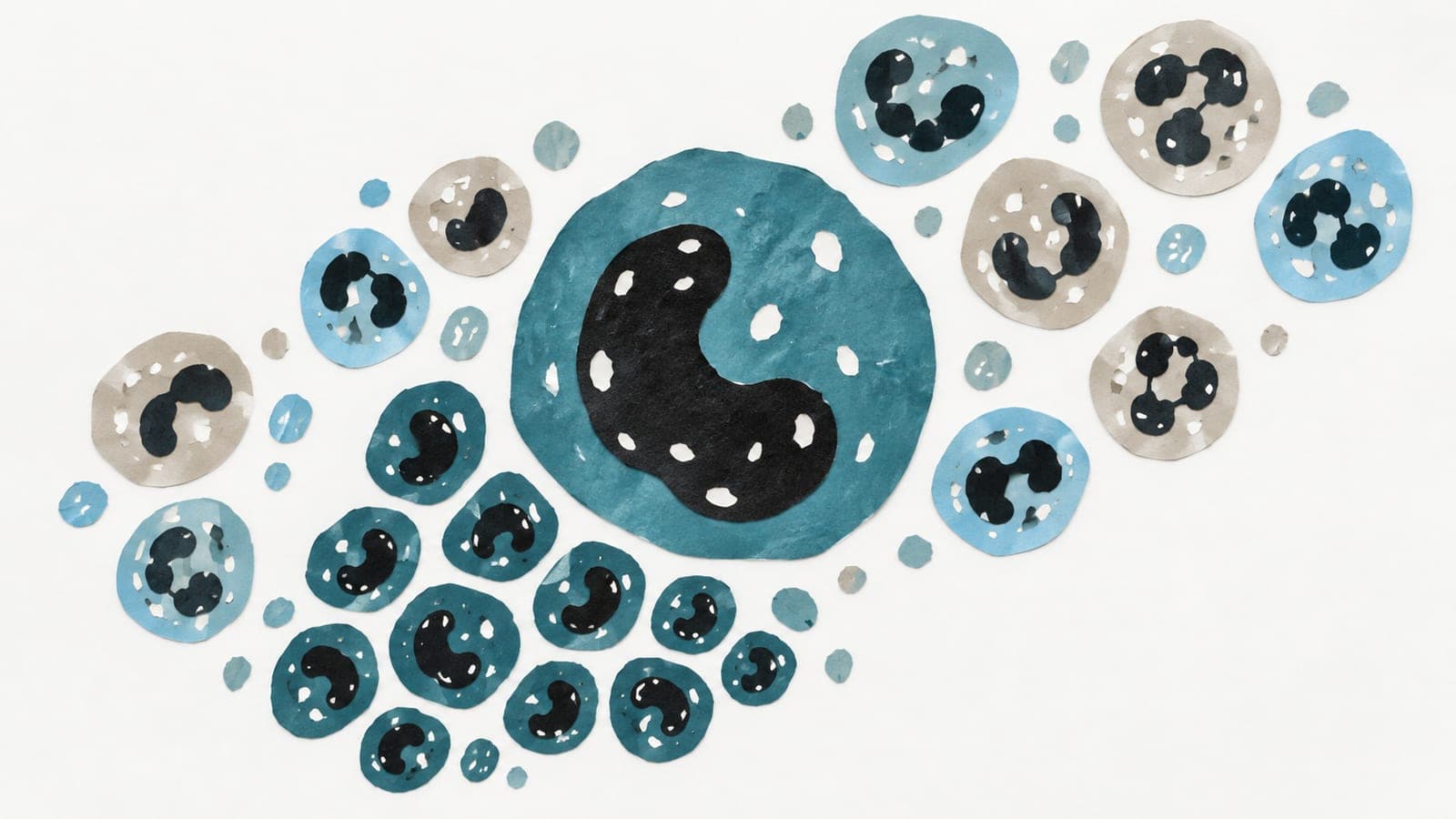
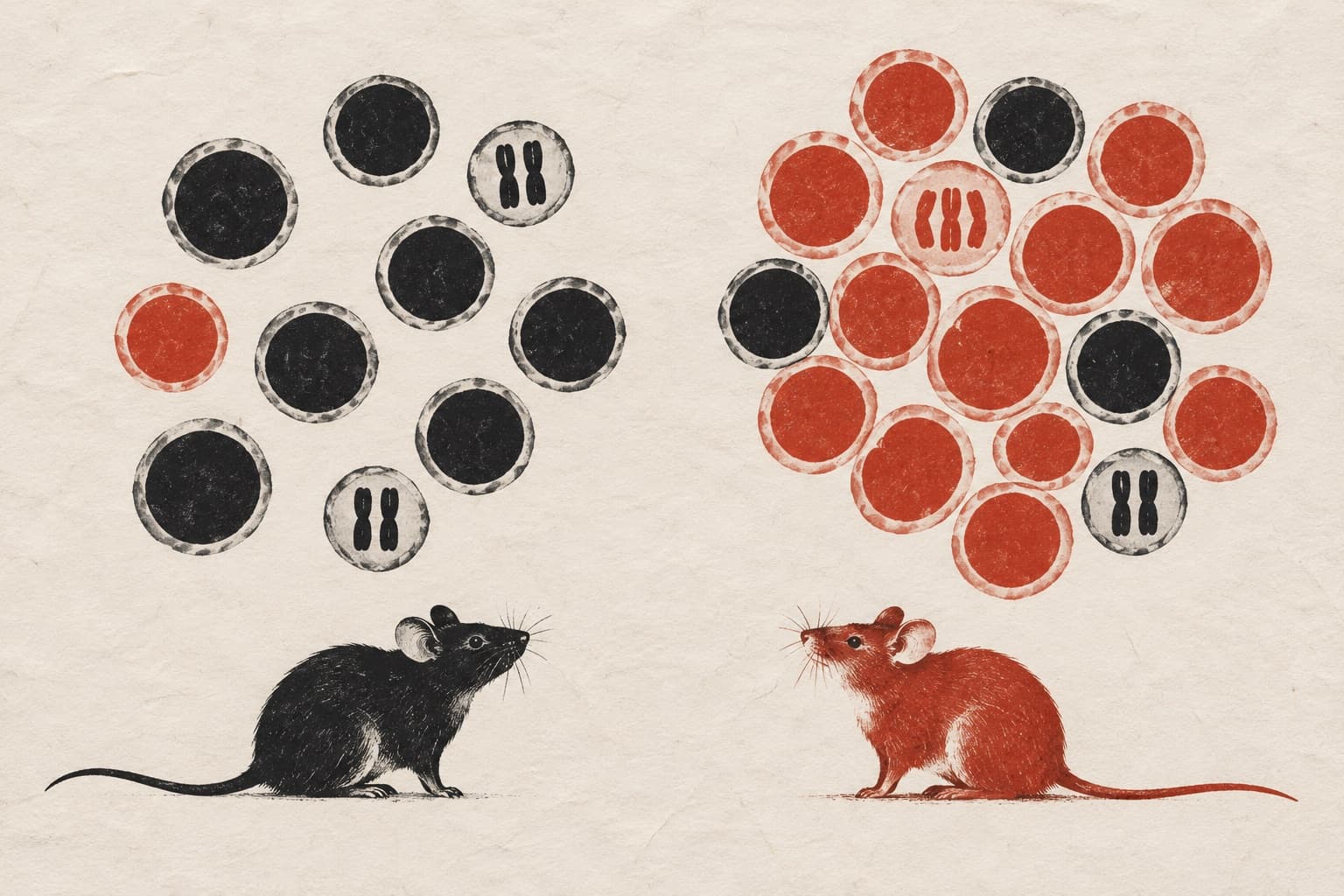
Researchers analysed about 21,000 paired cell profiles from healthy human blood and samples collected over time from people with acute myeloid leukaemia, a blood cancer. The observational study introduced Droplet-MT, which measures gene activity and DNA methylation, a type of chemical marking on DNA. They used changes in these marks to trace clones, groups of cells with shared ancestry. They identified small and expanded clones with varied patterns of blood cell production.
In leukaemia, the method distinguished changes in cancerous clone abundance, molecular changes within persistent clones, and recovery of healthy blood production from multiple clones. Cancerous monocytes, a type of immune cell, remained distinct in gene activity and DNA markings from healthy and recovery-associated cells despite treatment-associated changes.
Why it matters
Human tissue maintenance and remodelling are important questions for aging research. Linking cell ancestry with molecular state could help researchers investigate these processes.
Caveats
The observational profiles cannot establish what caused the changes seen during treatment. The paper is a preprint and has not been peer-reviewed.
- Epigenomics
- Single-cell omics
- DNA methylation
- Epigenetic regulation of gene expression
- Acute myeloid leukemia
- Humans
The paper
Scalable methylome-transcriptome profiling resolves clonal organization in human hematopoiesis
Westlake University
bioRxiv, 11 Oct 2026, CC BY-NC-ND, Preprint, not peer-reviewed