Herbal mixture may ease frailty in mice modelling Alzheimer's
In a 194-day experiment, Qi-Fu-Yin improved movement and strength in mice genetically modified to model Alzheimer's disease.
194 days
Researchers studied 5xFamilial Alzheimer's Disease transgenic mice, genetically modified to model Alzheimer's disease, in an animal experiment. They gave the mice Qi-Fu-Yin, a traditional Chinese herbal mixture, at three doses for 194 days. Other mice received the comparison drug donepezil.
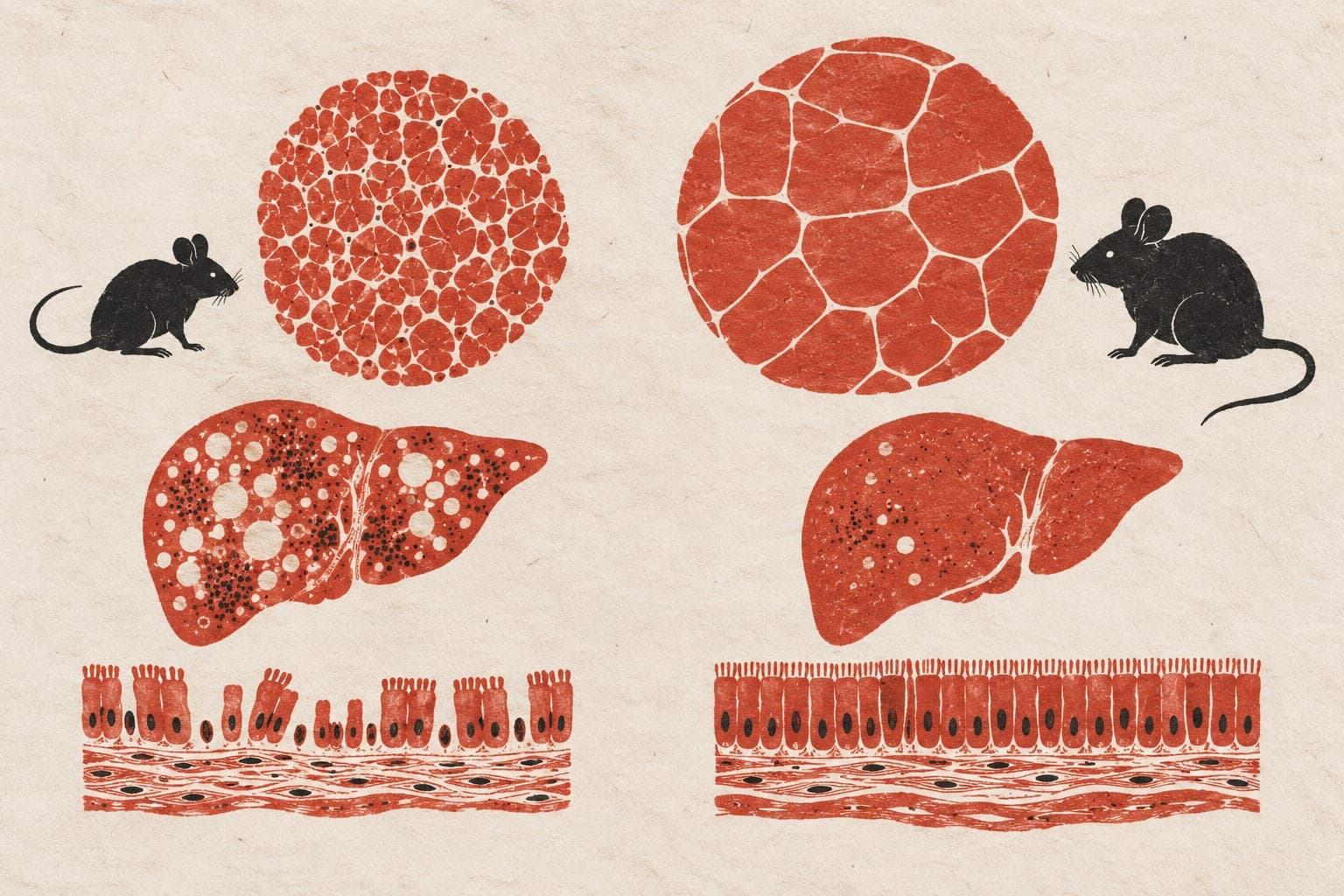
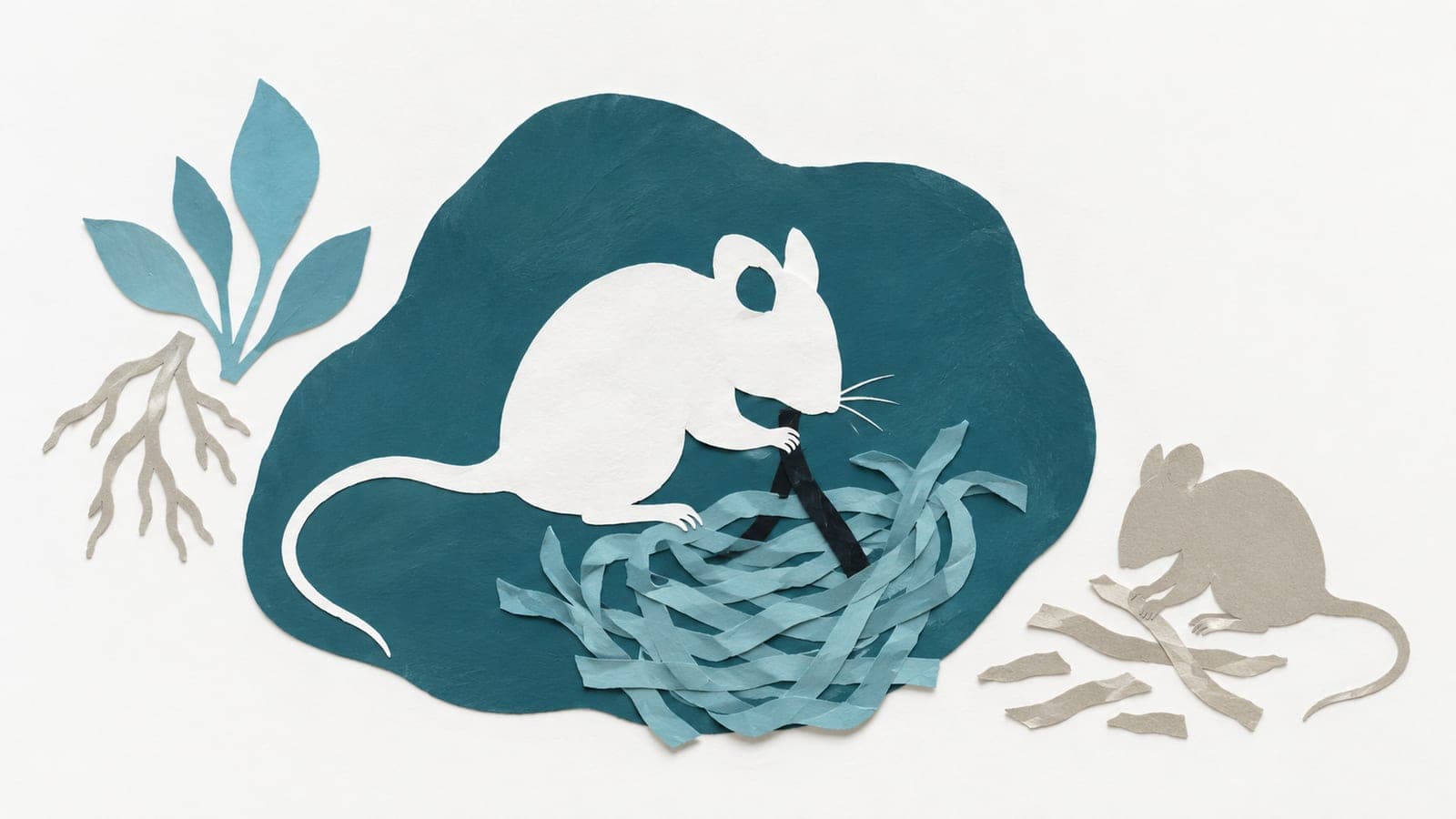
Qi-Fu-Yin improved walking, grip strength, coordination and nest-building, and reduced scores used to assess signs of aging. Its effects were comparable to or better than those of donepezil. The mixture also affected hormone levels and the mix of gut microbes. It partly restored disease-associated microbial processes, including those involved in breaking down carbohydrates.
Why it matters
Frailty is a common, debilitating feature of Alzheimer's disease. The findings support further investigation of Qi-Fu-Yin as a potential intervention for this disease-associated frailty.
Caveats
The findings came from genetically modified mice, not people with Alzheimer's disease. The study did not establish whether the microbial and hormonal changes caused the frailty improvements.
The paper
Shandong University of Traditional Chinese Medicine
Journal of Visualized Experiments, 9 Oct 2026