Prevalence, risk-factors and early prediction of impaired kidney function among indigenous adults in Odisha, India: A secondary analysis
Abstract
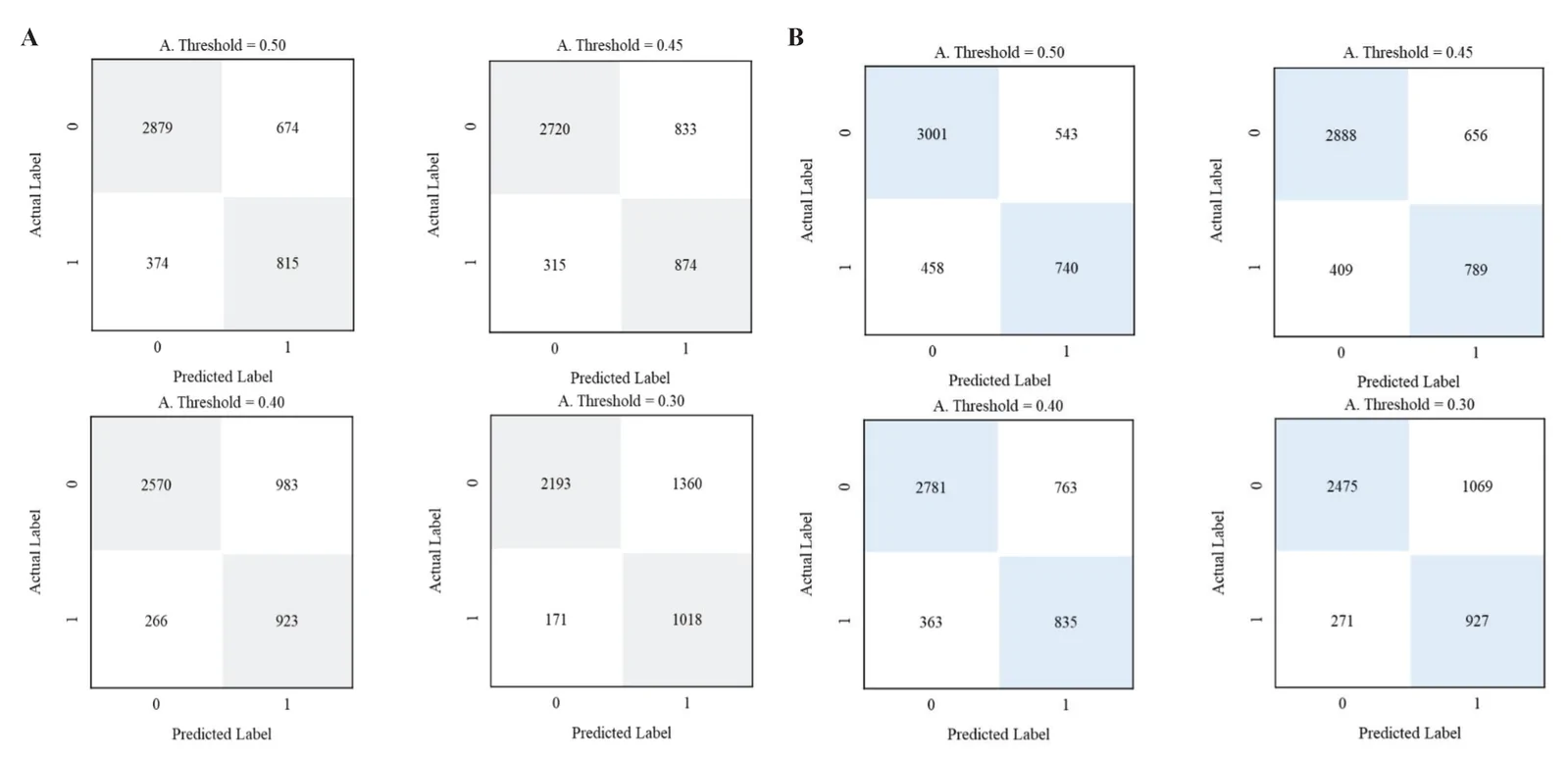
Background and objectives Native and indigenous communities have a high burden of chronic kidney disease (CKD). The burden of this condition amongst the indigenous populations of India is poorly documented. We estimated the prevalence and determinants of impaired kidney function among indigenous adults in Odisha, using large scale sample survey data, employing machine learning models. Methods We analysed data from 19,703 adults across 53 indigenous communities enrolled in the Odisha Tribal Family Health Survey (OTFHS, 2022-23). Data were collected with serum creatinine, from which estimated glomerular filtration rate (eGFR) was derived using chronic kidney disease epidemiology collaboration equation (CKD-EPI). Impaired kidney function (IKF) was defined as eGFR <90 mL/min/1.73m2 and classified into mild, moderate, severe, and failure categories. Deep neural network (DNN) and eXtreme gradient boosting (XGBoost) models were developed for early prediction for IKF. Results Overall, 24.8% [95% confidence interval (CI): 23.8-25.9] of participants had IKF: 16.6% mild, 6.4% moderate, 1.5% severe, and 0.3% kidney failure. The prevalence increased with age (5.6% in 18-30 y vs. 79.4% in >70 y) and was higher among men, those with lower education, tobacco or alcohol use, and individuals with hypertension, diabetes, or underweight. The DNN model showed good predictive performance (accuracy 0.78; recall 0.69), with improved recall (0.78) at a threshold of 0.4. Decision curve analysis suggested a potential benefit of machine learning (ML) based targeted screening. Shapley Additive explanations (SHAP) analysis identified age, hypertension, diabetes, tobacco use, alcohol use, and low dietary diversity as key predictors. Interpretations and conclusions Nearly one in four adults from indigenous communities in Odisha had IKF, highlighting a substantial and inequitable kidney disease burden. Machine learning models using routine data offer a feasible strategy for early detection and targeted interventions in resource-limited indigenous settings.
The paper
Maastricht University; Indian Council of Medical Research
The Indian Journal of Medical Research, 1 Aug 2026