Anti-aging clock results often fail across multiple models
When researchers applied extra biological age clocks to previously tested anti-aging treatments, no additional clock showed a statistically meaningful effect.
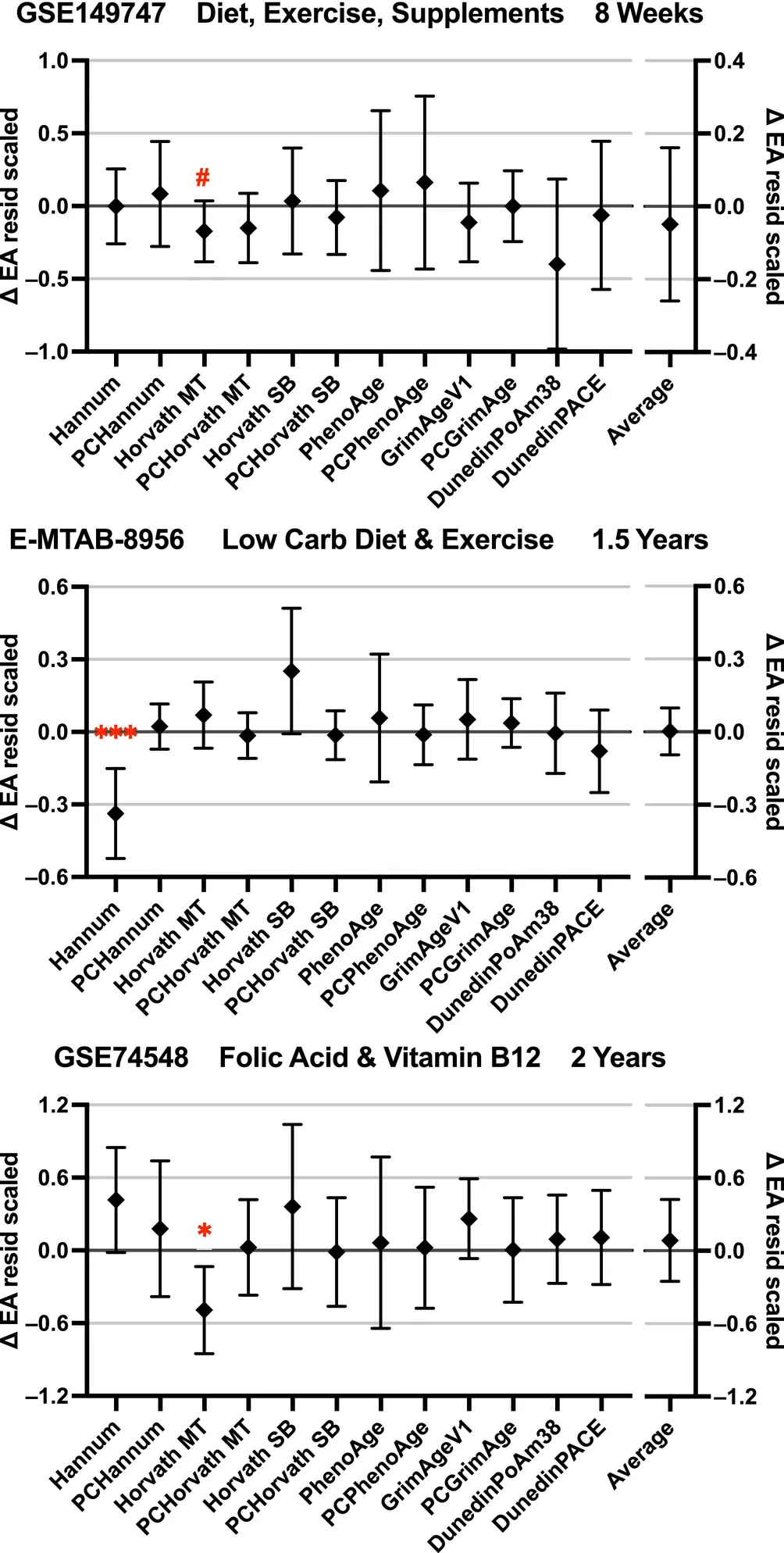
In a computational study, researchers analysed data from published anti-aging intervention studies, datasets of age-accelerating events, and computer simulations. Epigenetic clocks estimate biological age by tracking chemical tags on DNA. The researchers found that when extending published single-clock intervention studies to include additional clock models, no additional clocks reached statistical significance. From the age-accelerating datasets, they proposed three criteria that increase confidence in a result: reliable principal-component-based (PC-based) clocks respond, mortality-trained or pace-of-aging clocks respond, and multiple clocks respond in the same direction. Simulations showed that reliable clocks are more sensitive to true effects. In longitudinal control datasets, changes in reliable clocks correlated with each other. The researchers also showed examples of interventions that satisfied these criteria.
Why it matters
Epigenetic clocks are increasingly used to test whether candidate therapies slow biological aging. Clearer standards for interpreting these tests may help researchers distinguish true changes from statistical false alarms.
Caveats
The proposed rules are a framework based on simulations and existing datasets rather than a formally validated standard. The findings also suggest that several previously published single-clock study results may warrant re-examination.
From the paper
- Limitation
First, we analyzed a total of nine longitudinal intervention datasets, which may not accurately capture the entire field of research.
Quoted word for word from the full text on onlinelibrary.wiley.com.


