Disease mutations shift epigenetic age in organoids
In a preprint using iPSC-derived organoids, serial passaging re-established aging trajectories while disease-associated mutations drove additional cell-intrinsic shifts in epigenetic age.
bioRxiv
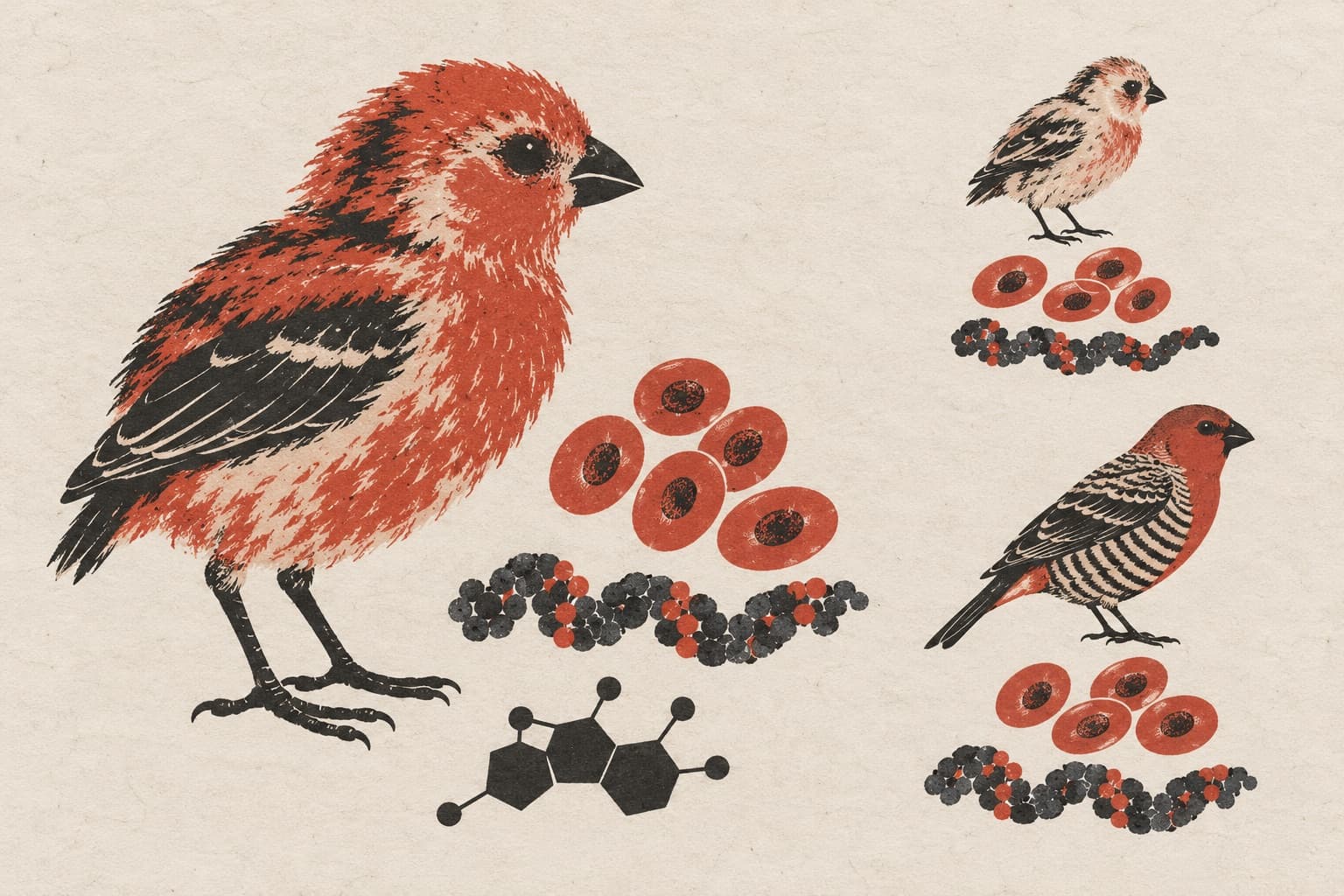
In induced pluripotent stem cell (iPSC)-derived organoids, researchers tested an in-vitro approach to re-establish epigenetic aging trajectories after cellular reprogramming. Using multiple epigenetic clock models, the authors evaluated how extended culture and disease-associated genetic states alter cellular age profiles. Epigenetic age progressively increased with serial passaging in a lung organoid model composed of alveolospheres. Furthermore, disease-associated mutations across multiple organoid models drove additional, cell-intrinsic shifts in epigenetic age. The authors note that iPSC-derived organoids recapitulate epigenetic aging trajectories over extended culture, implicating disease state as an independent, cell-intrinsic modulator of epigenetic clocks in vitro.
Why it matters
The approach suggests that organoid models can re-accumulate age-associated epigenetic marks, providing a potential platform to study how specific genetic diseases interact with cellular aging.
Caveats
The findings are based entirely on in-vitro cell culture models, which lack the systemic signals of intact living organisms. In addition, the study is a preprint that has not yet undergone peer review.
- Organoids
- DNA methylation
- Epigenetic regulation of gene expression
- Epigenetic age
- Epigenetic clock
- Humans
The paper
Disease-associated mutations directionally modulate epigenetic age in iPSC-derived tissues
Show 9 more authors
E. MacDonald, R. Giadone, D. Jones, C. S. Golden, B. Pate, M. Labott, M. A. Serrano, K.-D. Alysandratos, K. Vanuytsel,Center for Regenerative Medicine (CReM) of Boston University, and Boston Medical Center
bioRxiv · 4 Oct 2026 · CC BY-NC-ND · Preprint, not peer-reviewed