Resolvin E1 aids muscle repair after injury in aged mice
In aged mice, treatment after injury cleared inflammatory cells faster, expanded muscle-forming cells, and trended toward improved muscle contraction.
GeroScience
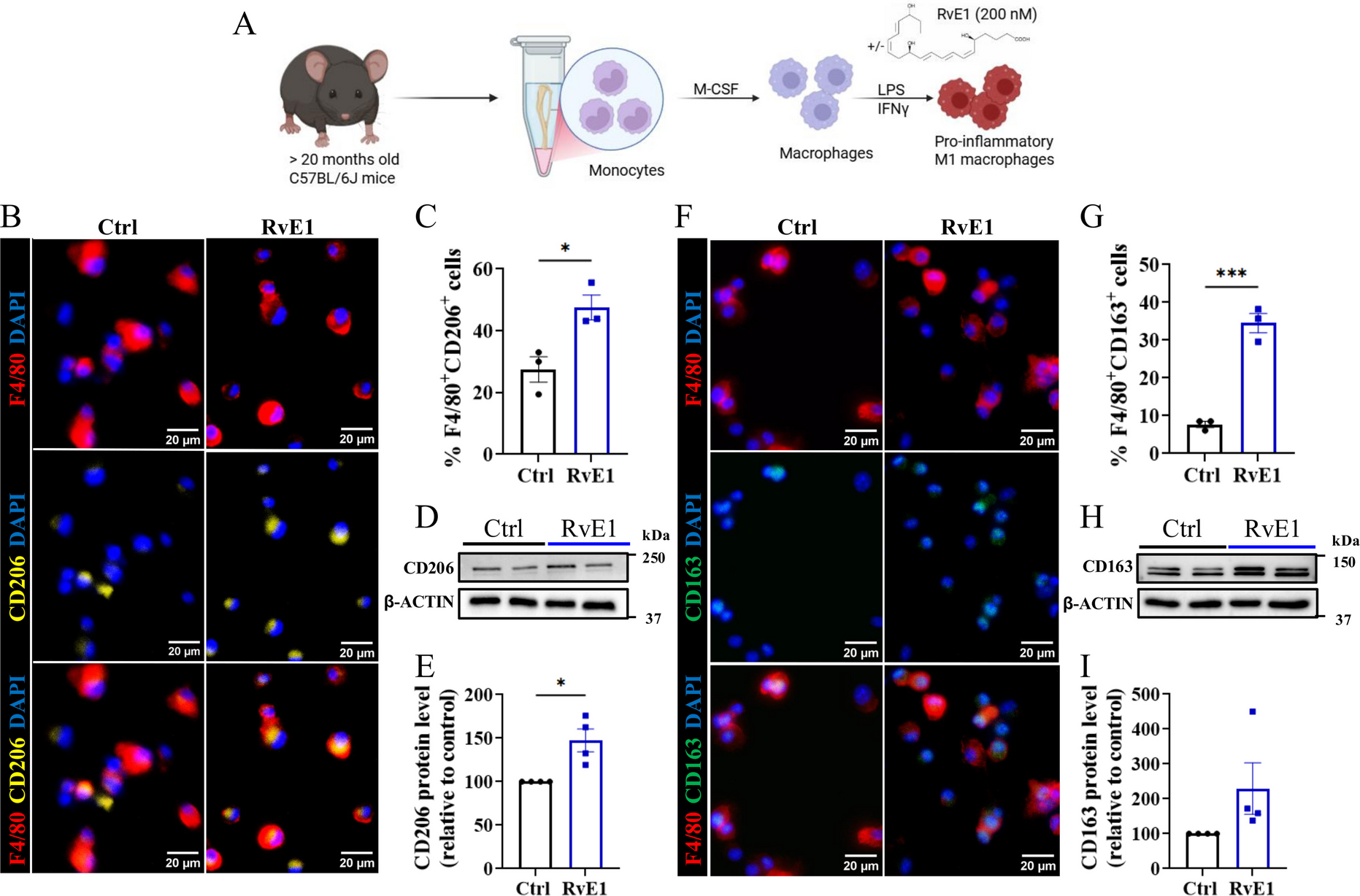
In an experiment in aged mice and cultured cells, researchers tested whether Resolvin E1, a lipid molecule involved in stopping inflammation, could improve muscle healing. In cells grown in the lab, Resolvin E1 reduced the activity of pro-inflammatory genes and shifted macrophages, a type of immune cell, toward an anti-inflammatory state. In aged mice treated after muscle damage, the molecule accelerated the clearance of neutrophils, another group of immune cells. It expanded the pool of muscle-forming cells and enhanced the differentiation of myoblasts, cells that fuse to build muscle fibres. These cellular responses led to a trend toward improved muscle contraction. The researchers concluded that Resolvin E1 is a candidate therapy that may enhance aged muscle regeneration by resolving inflammation and driving muscle formation together.
Why it matters
Muscles regenerate less effectively in older age, while chronic inflammation develops as natural resolving signals falter. Understanding how these signalling lipids coordinate immune responses with tissue building bears on efforts to support muscle repair over time.
Caveats
The gain in muscle contraction was an observed trend rather than a confirmed improvement. The findings also come from mice and cells grown in the lab rather than humans.
The paper
Show 2 more authors
Haimen Yezihalem, Alexander Green,University of Ottawa
GeroScience · 7 Oct 2026