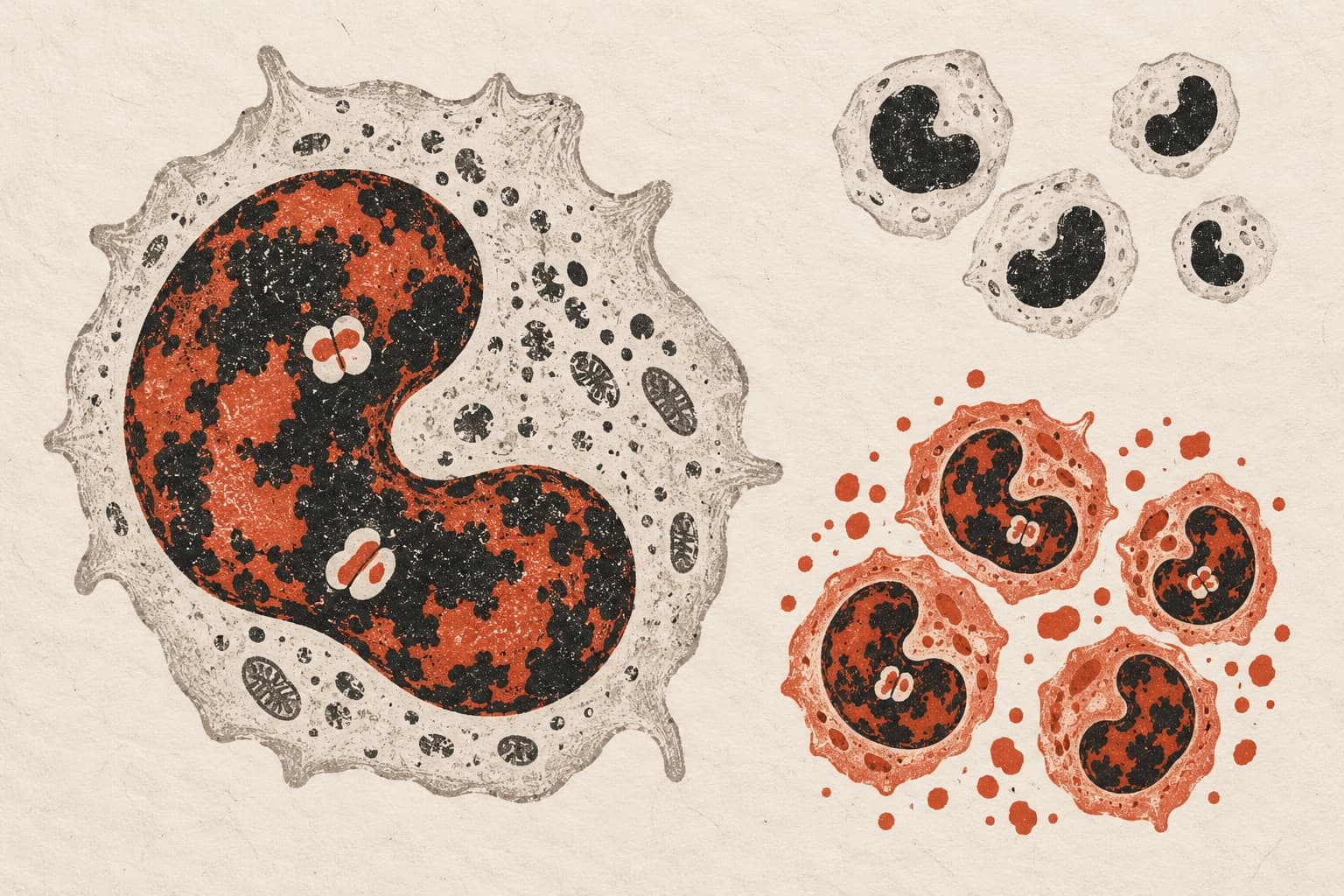
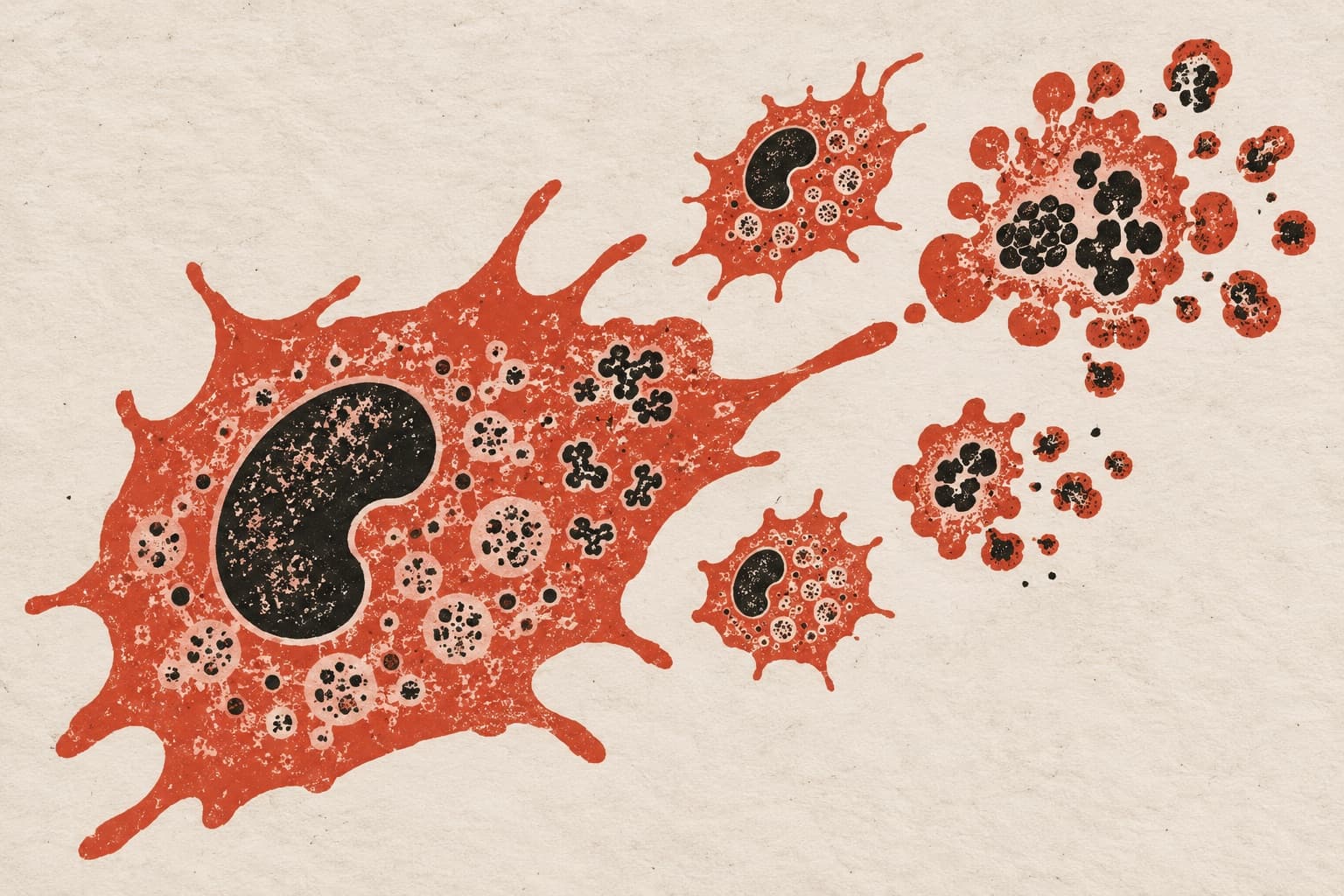
Dysferlin promotes inflammatory macrophage responses in cells
In cellular models, dysferlin promoted inflammatory macrophage responses, and dysferlin-enriched macrophages suppressed muscle cell differentiation and fusion in co-culture.
Life Science Alliance
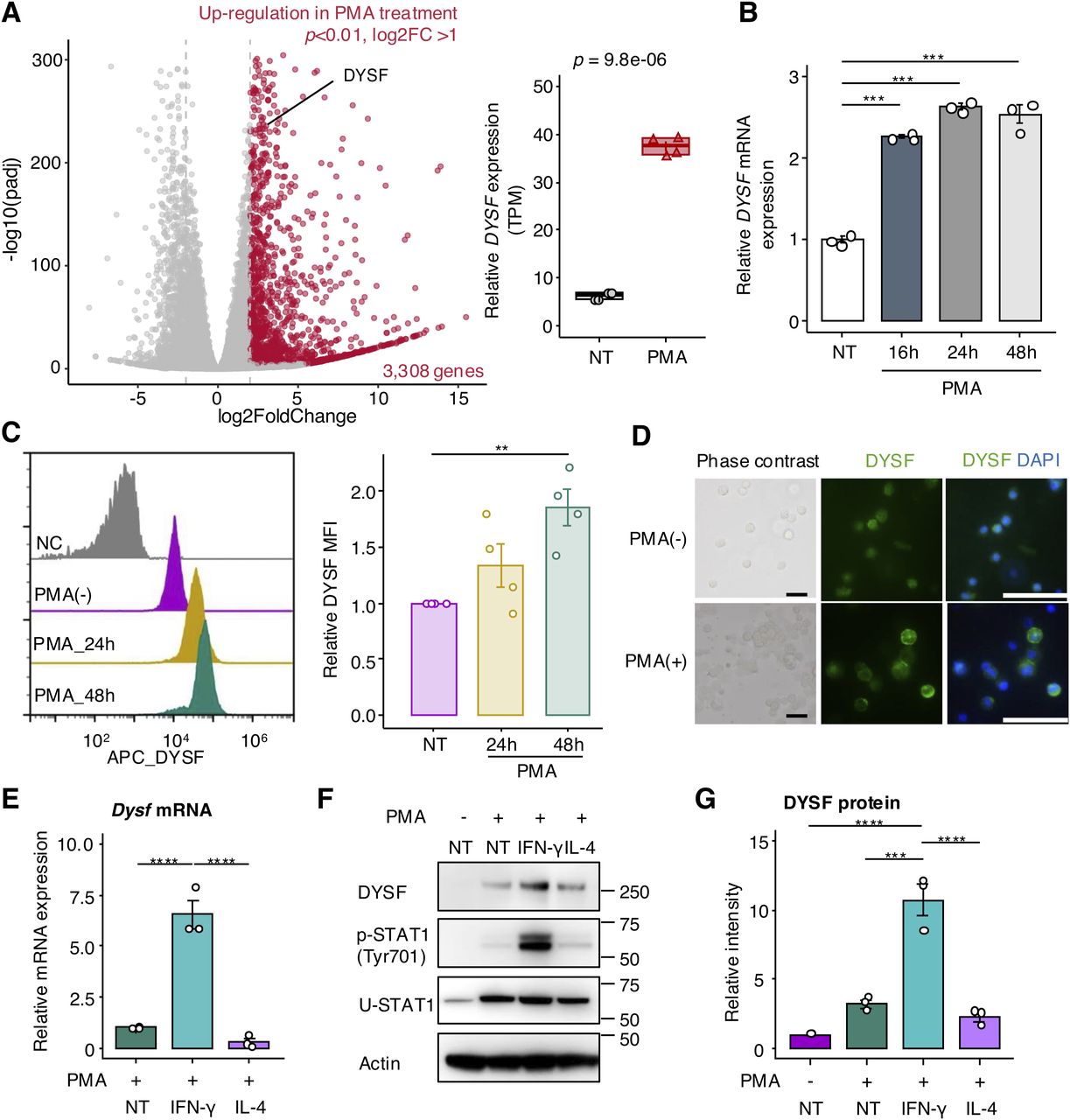
In laboratory experiments using macrophage models, human CD14-positive cells, and mice, researchers examined the immune role of dysferlin, a protein best known for repairing skeletal muscle membranes. Dysferlin levels rose during monocyte-to-macrophage differentiation. In cellular tests, dysferlin promoted inflammatory macrophage responses, including cytokine production and cell migration. It also enhanced calcium influx and STAT1-associated signalling, whereas knocking down dysferlin or blocking calcium entry suppressed these effects. Dysferlin expression increased with aging in human CD14-positive cells and in mouse monocyte/macrophage-lineage cells. In aged skeletal muscle, dysferlin-expressing F4/80-positive macrophage-lineage cells accumulated. Finally, in a co-culture of macrophages and immature muscle cells called myoblasts, dysferlin-enriched inflammatory macrophages inhibited myogenic differentiation and myotube fusion, an effect partly mediated by soluble inflammatory factors.
Why it matters
Macrophage activation shapes tissue maintenance and regeneration. Because dysferlin-expressing macrophage-lineage cells accumulate in aged skeletal muscle, studying this protein could provide clues into how immune cells influence muscle maintenance with age.
Caveats
The functional tests were conducted in cultured cells rather than whole living animals. Whether macrophage dysferlin suppresses muscle formation in living tissue remains to be tested.
The paper
Dysferlin promotes inflammatory macrophage responses and modulates Ca²⁺-dependent STAT1 signaling
Yamaguchi University Graduate School of Medicine
Life Science Alliance · 7 Oct 2026