The effect of acute prolonged swimming on skeletal muscle metabolism in different muscle types of rats after nine days of dexamethasone treatment
Abstract
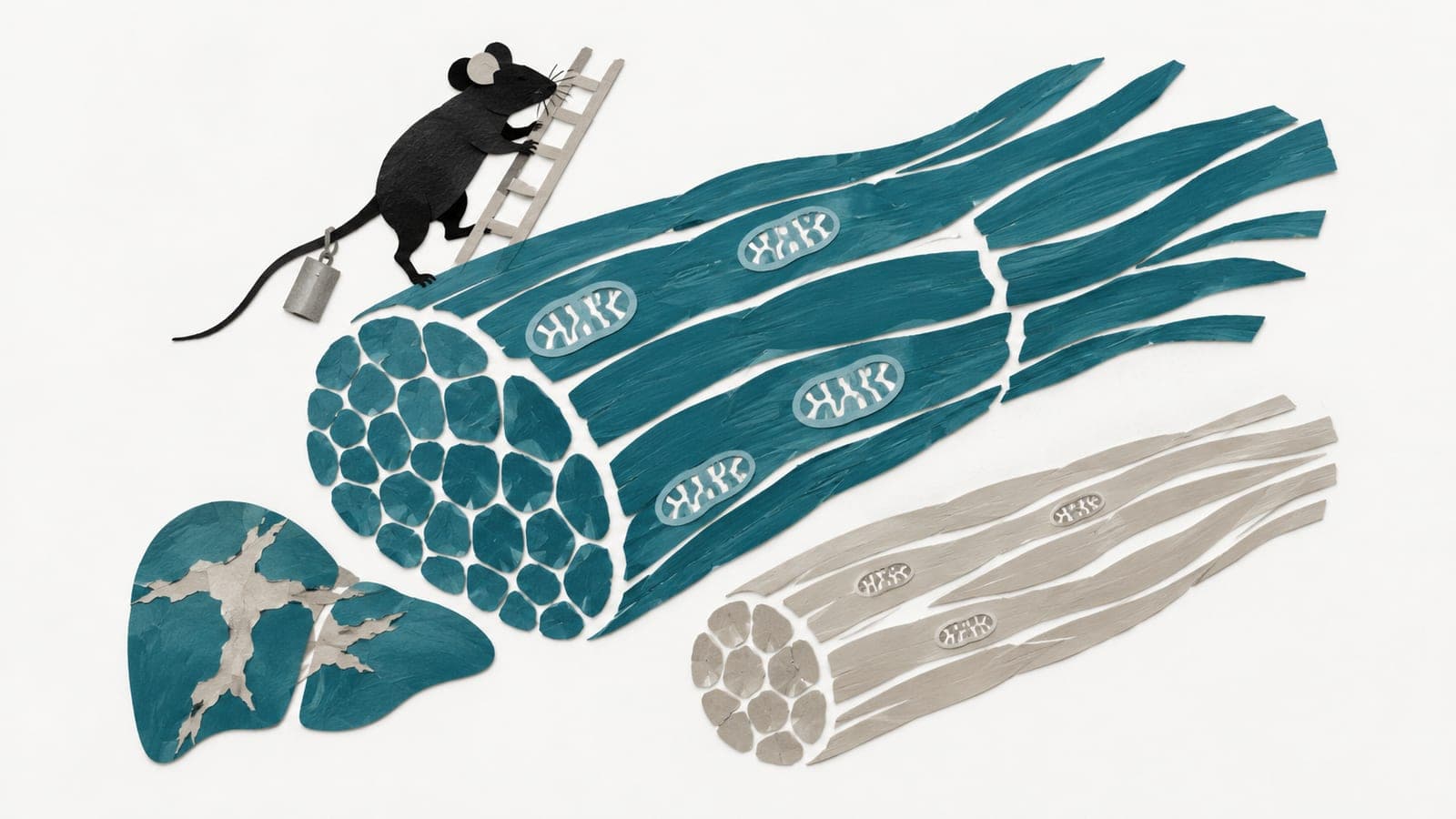
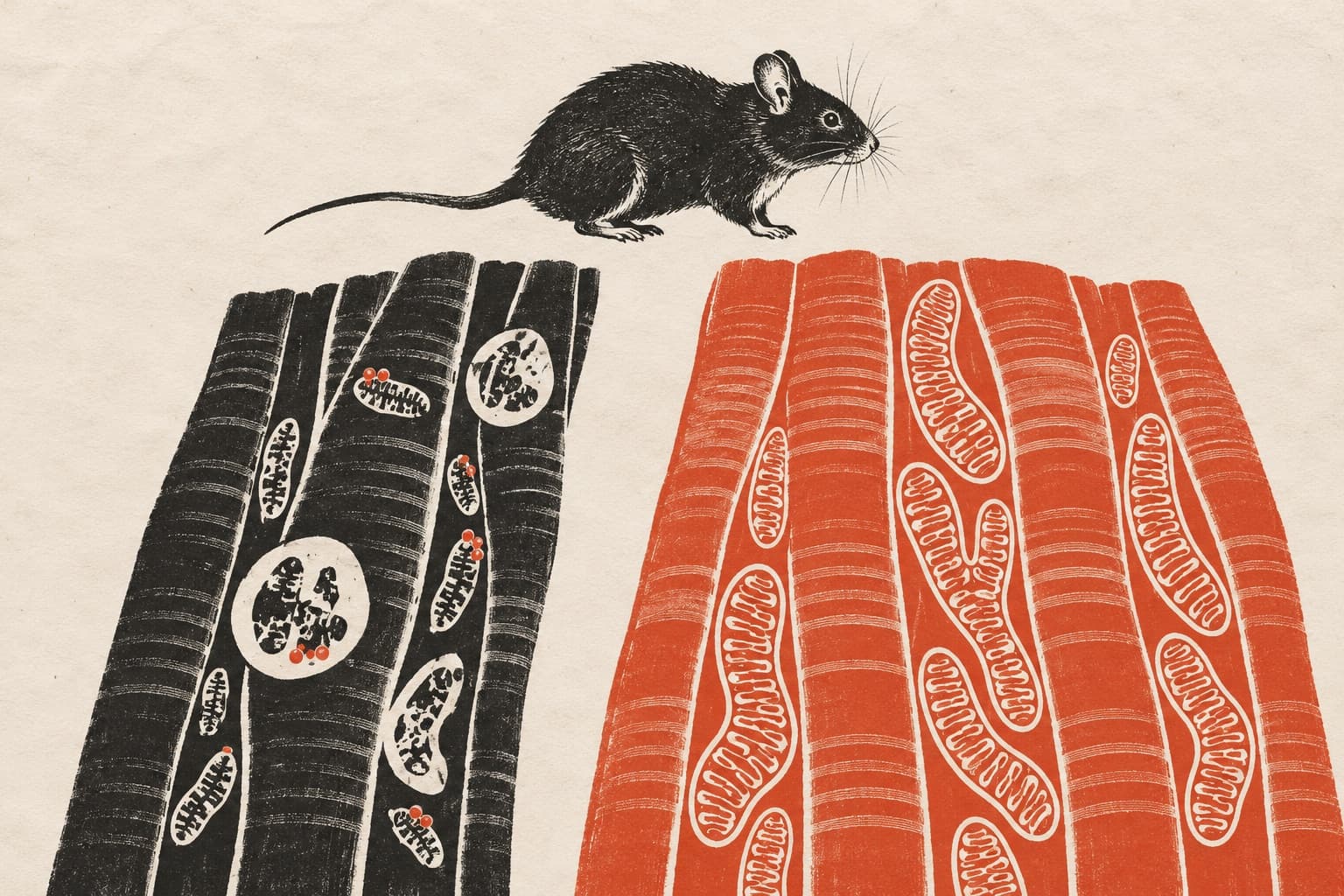
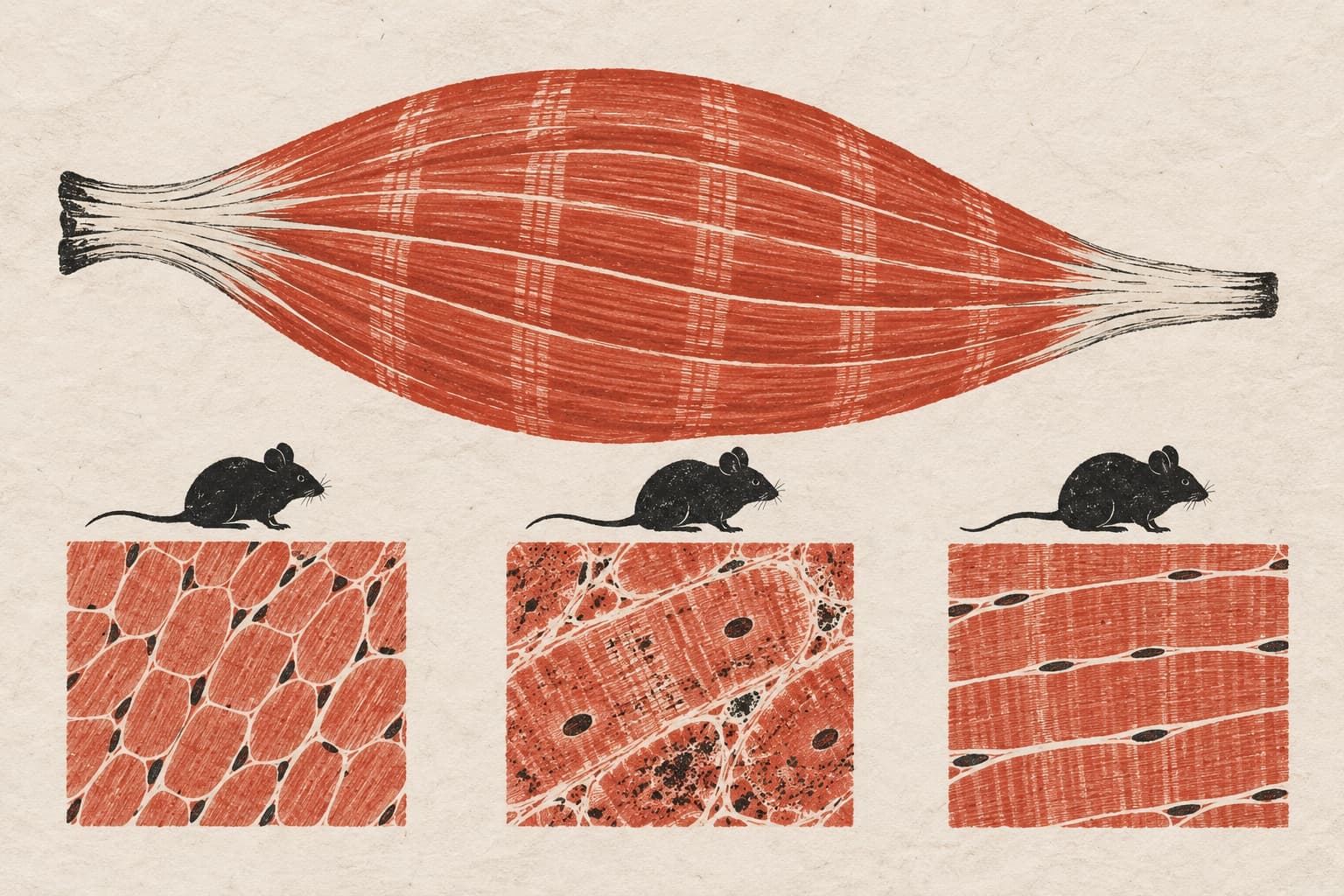
OBJECTIVES: The study investigated the effec of dexamethasone (Dex) treatment, acute prolonged swimming, and their combination on skeletal muscle mass, oxidative stress, iron metabolism, and AKT-mediated signaling in two muscle types. METHODS: Rats were divided into four groups (n=8 per group): intraperitoneal saline or Dex (1mg/kg/day) treatment for 9 days (non-exercised and exercised). Animals in exercise groups underwent a 4-day preparatory swimming procedure followed by a single 3h swimming session. The soleus (SOL) and extensor digitorum longus (EDL) muscles were collected, weighed, and used for analysis. We assessed lipid and protein peroxidation markers, catalase activity, iron-metabolism proteins, and AKT-dependent proteolysis and synthesis pathways. RESULTS: Nine days of Dex treatment significantly reduced SOL (-12%, p<0.01) and EDL (-15%, p<0.001) mass, accompanied by oxidative stress (increased protein peroxidation, p<0.001) and alterations in iron metabolism: increased FH (SOL: +88%, p<0.01, EDL: +80%, p<0.01) and decreased PCBP1 (SOL: -59%, p<0.001, EDL: -33%, p<0.05). Dex treatment also affected proteins involved in synthesis and proteolysis pathways: in SOL, lowered total AKT (-22%, p<0.05) and pmTOR (-24%, p<0.05); in EDL, decreased MuRF-1 (-30%, p<0.01) and total mTOR (-24%, p<0.01), highlighting mechanisms underlying muscle loss. In saline-treated rats, acute prolonged swimming, following 4 days of preparatory exercise, did not affect SOL and EDL mass or oxidative stress markers. However, in SOL, swimming reduced PCBP1 (-43%, p<0.001), decreased total AKT (-33%, p<0.01) and pAKT (-47%, p<0.01), increased Atrogin-1 levels (+38%, p<0.001), and decreased pmTOR (-52%, p<0.001) and p70S6K levels (-47%, p<0.05). In EDL, swimming lowered MuRF-1 levels (-23%, p<0.01), indicating specific responses to exercise across muscle types. Dex-induced muscle mass loss was lower after a 4-day preparatory exercise procedure followed by prolonged exercise (p<0.001 for both muscles). Swimming in Dex-treated rats decreased pAKT (-52%, p<0.01) in SOL and increased pmTOR (+52%, p<0.01) in EDL. CONCLUSION: Dex treatment reduces skeletal muscle mass, regardless of fiber composition. These changes relate to oxidative stress and an imbalance in iron metabolism, but differences between muscle types in the proteolysis/synthesis signaling pathway highlight contrasting responses across muscle types. Acute prolonged swimming, preceded by a 4-day preparatory procedure, attenuates the adverse effects of Dex treatment.
The paper
Gdańsk Medical University
Frontiers in Physiology, 22 Sep 2026, Open access