Human blood DNA fragments reveal chromosome-end packaging
Blood DNA fragments indicated packaging units spaced 145 base pairs apart at chromosome ends, compared with about 170 base pairs across the genome.
Declared ties to: University of Colorado, Perceiver Lab, United States Patent and 1 more
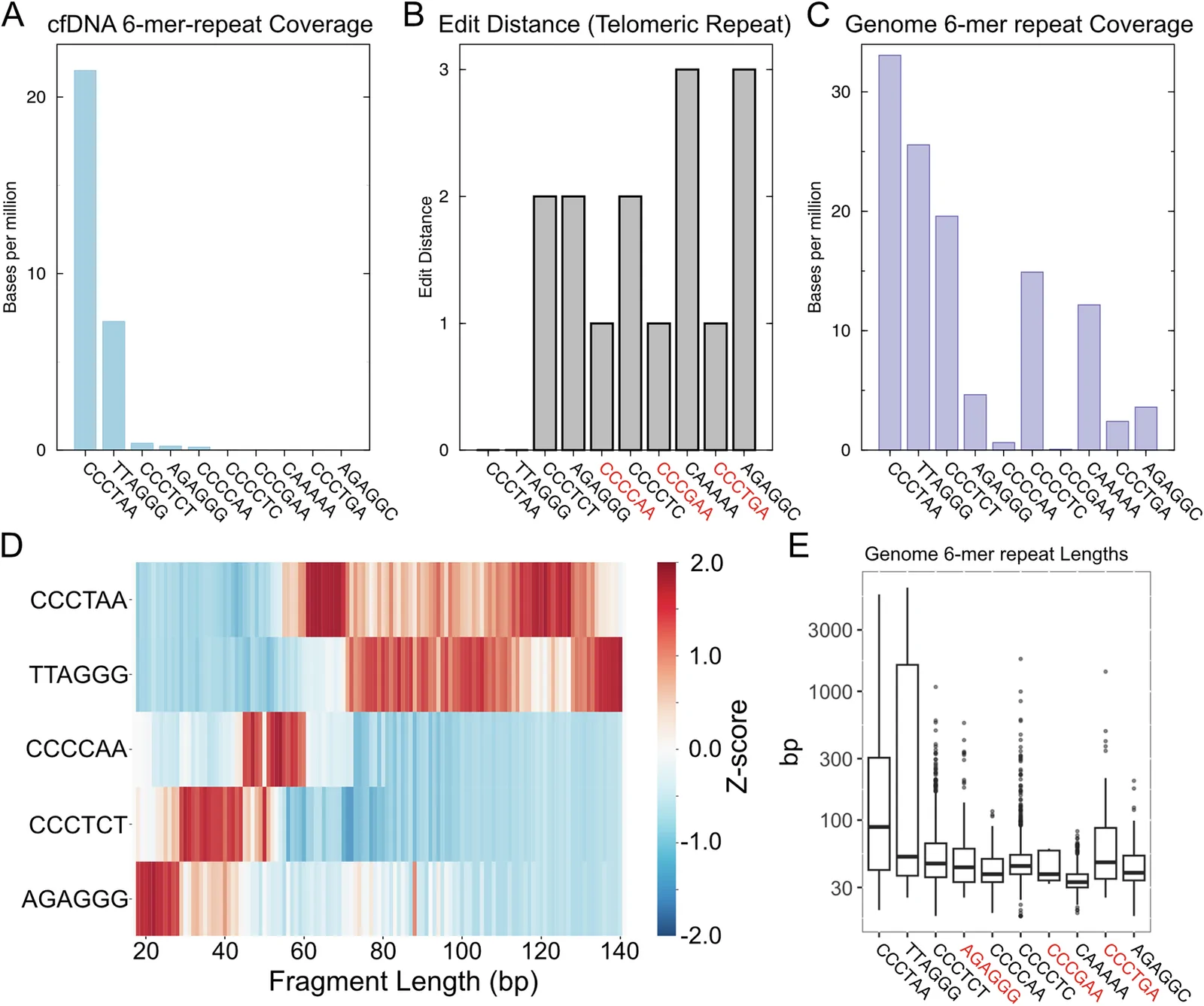
In an observational study of human plasma, the liquid part of blood, researchers analysed cell-free DNA—DNA fragments circulating outside cells. They used these fragments to map chromatin, DNA packaged with proteins, at telomeres, regions that protect chromosome ends.
The most abundant six-letter DNA sequences were telomere repeats. The fragments indicated that nucleosomes, units of DNA wrapped around proteins, repeated every 145 base pairs at telomeres, compared with about 170 across the genome. Telomere fragments also carried patterns distinct from those elsewhere in the genome. Telomere fragment patterns became less abundant with age. This decline was greater in dyskeratosis congenita, a disorder affecting telomeres.
Why it matters
Telomeres protect chromosome ends. Blood-based measurements may help researchers investigate how their packaging changes with age and in disorders affecting telomeres.
Caveats
The observational findings do not establish what caused the age- and disease-linked differences. The abstract does not report participant numbers or ages.
The paper
Fragmentation patterns of human telomeric chromatin in plasma cfDNA
University of Colorado Anschutz
Nature Communications, 4 Sep 2026, Open access