Abnormal nuclear morphology in vivo in mouse hair follicle fibroblasts expressing progerin
Abstract
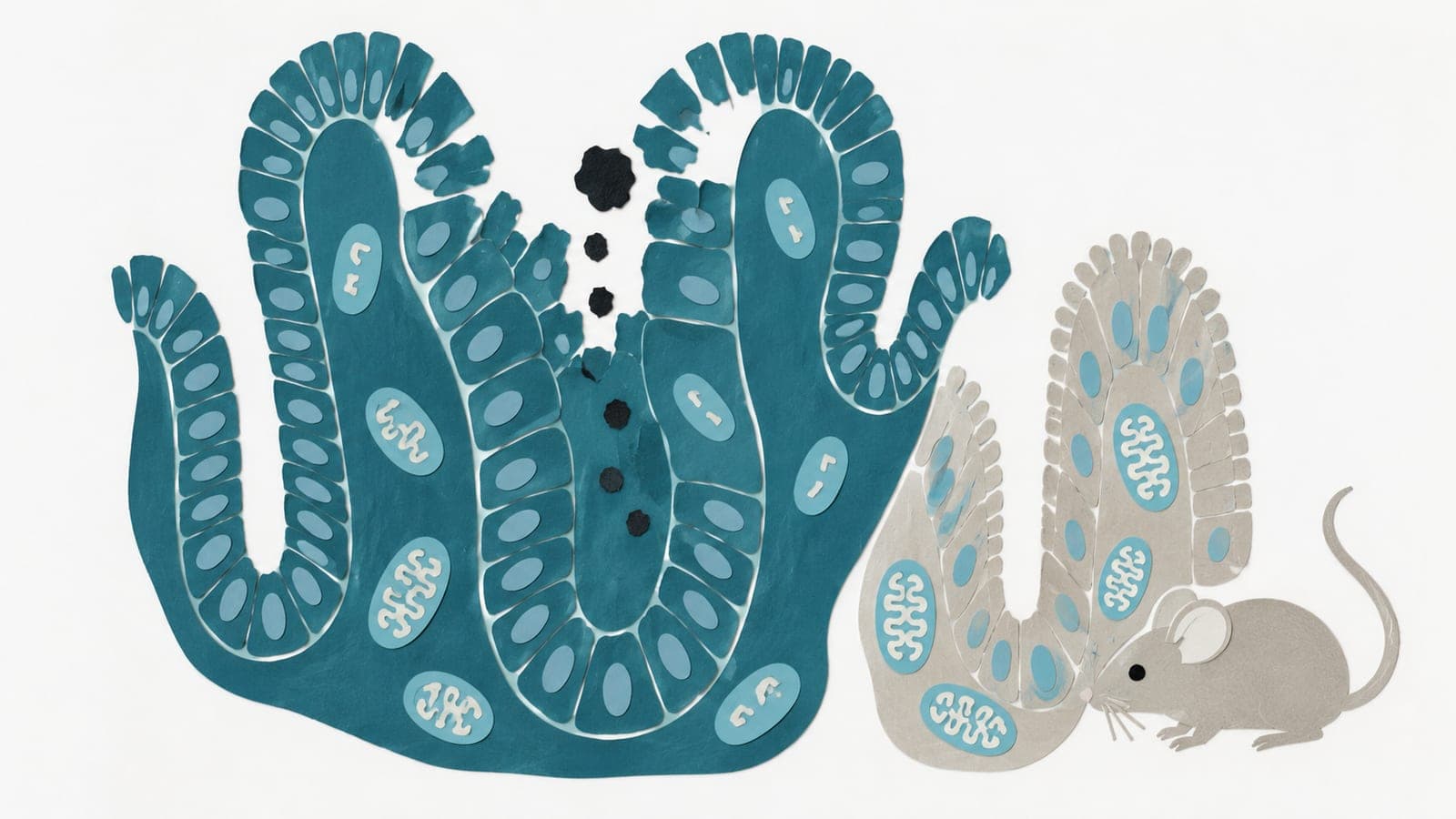
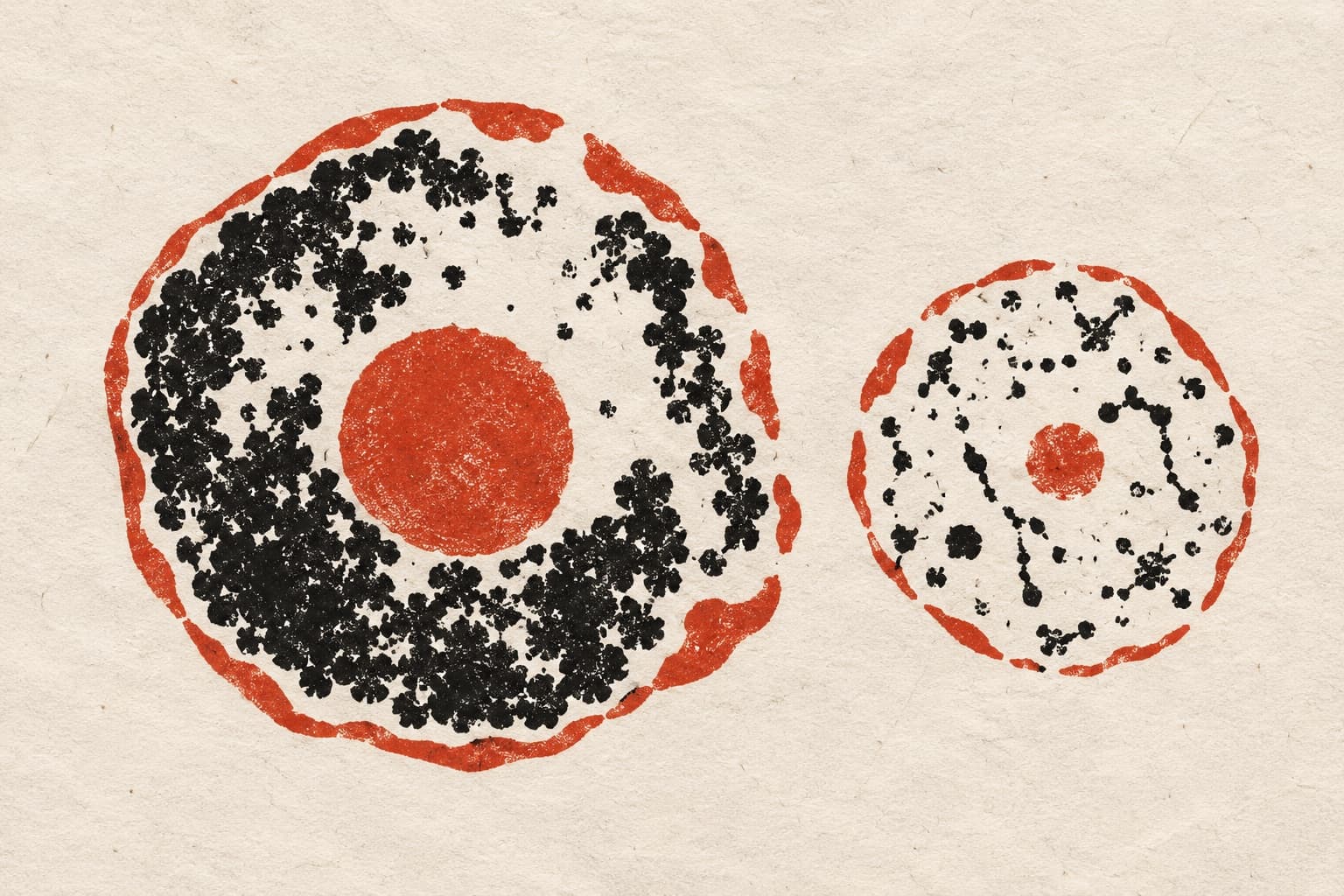
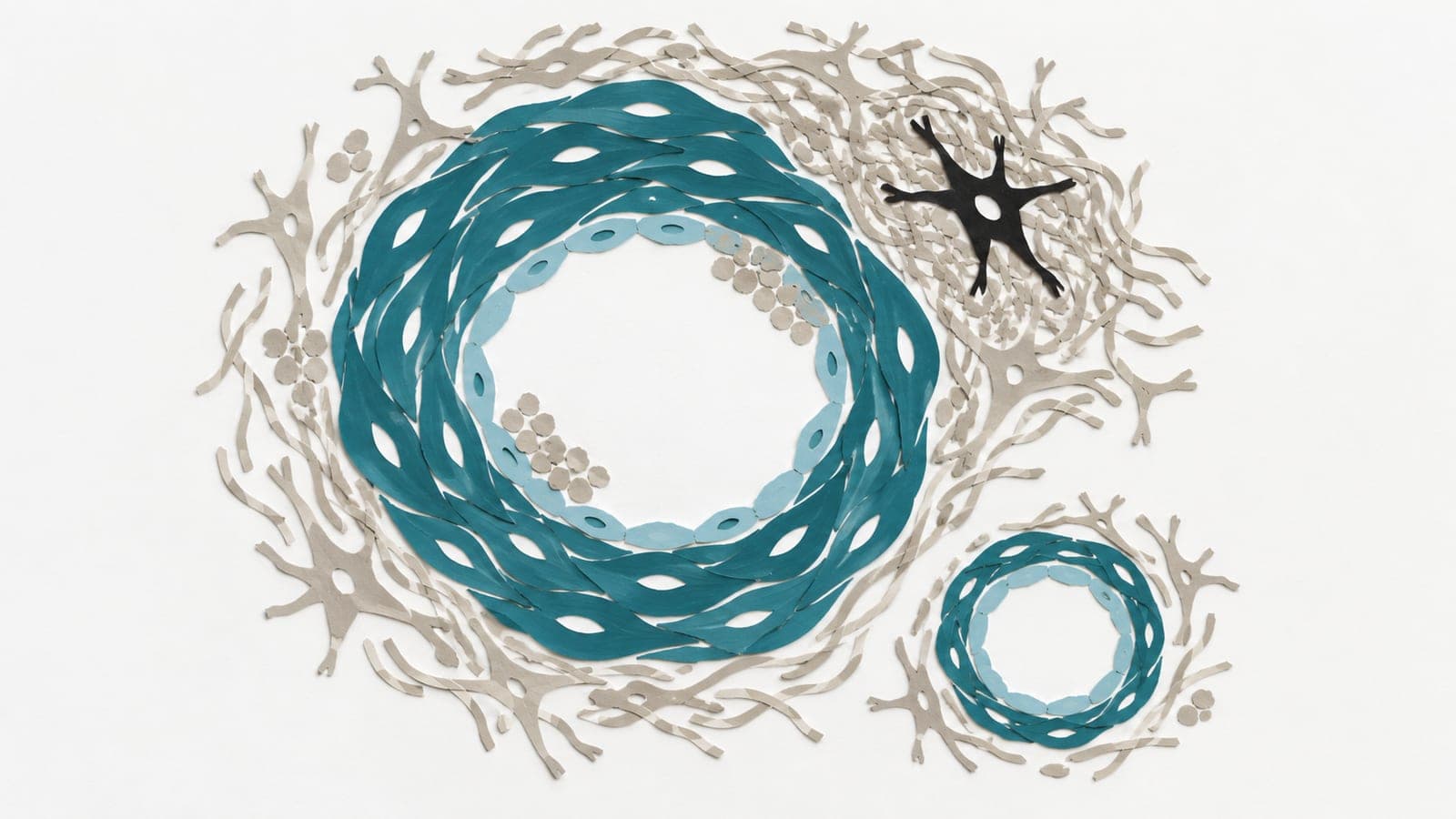
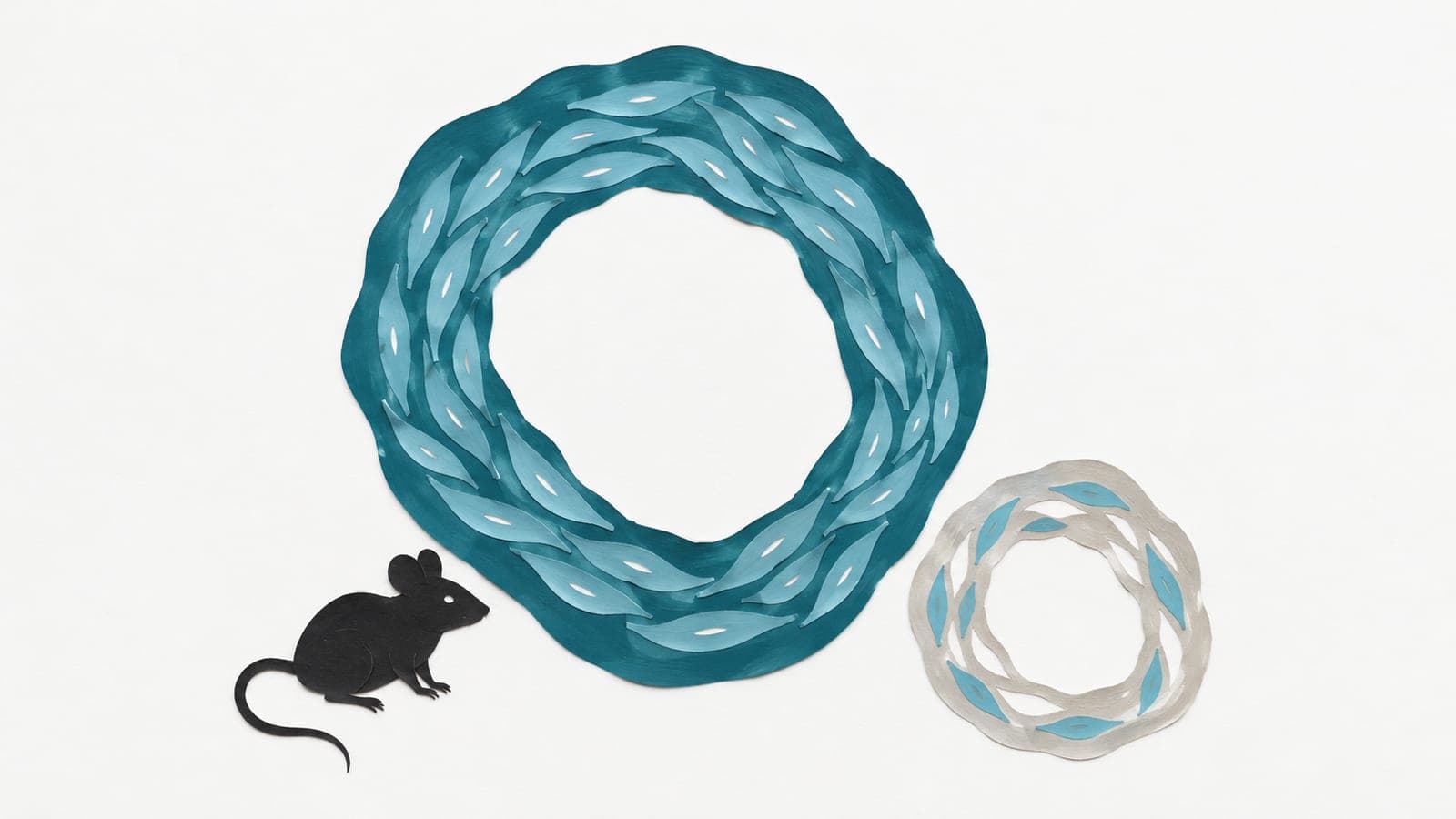
Progerin, the truncated prelamin A variant expressed in Hutchinson-Gilford progeria syndrome, causes abnormal nuclear morphology when expressed in cultured fibroblasts. To study the effects of progerin on fibroblast nuclear morphology and function in vivo, we generated transgenic mice expressing FLAG-tagged progerin, or lamin A as a control, under control of a human PDGFRA promoter. The transgenic mice expressed the FLAG-tagged proteins in only a limited number of dermal fibroblasts, primarily in and around dermal papillae and hair follicle bulges, and in scattered lung fibroblasts. Dermal fibroblasts expressing FLAG-tagged progerin, both when cultured in vitro and examined in situ, had significantly more abnormally shaped nuclei than those expressing FLAG-tagged lamin A. Because progerin expression impairs fibroblast polarity in wounded monolayer cultures, we hypothesized that wound healing and hair regrowth after depilation would be abnormal in the progerin-expressing transgenic mice. However, no defects were observed in hair growth or skin wound healing in the transgenic mice expressing progerin compared to the control mice expressing lamin A. These results show that expression of progerin induces abnormal nuclear morphology in dermal fibroblasts in situ. They further show that progerin expression in a limited number of dermal fibroblasts, primarily in hair follicles, does not result in any detectable skin pathology.
The paper
Columbia University Irving Medical Center
Biochemical and Biophysical Research Communications, 2 Oct 2026, Open access