Plasma metabolites link to T-cell senescence in elderly COVID-19
In elderly COVID-19 patients, altered phospholipid and bile acid metabolites tracked with T-cell senescence, inflammatory cytokines, and 180-day mortality.
Biomedicines
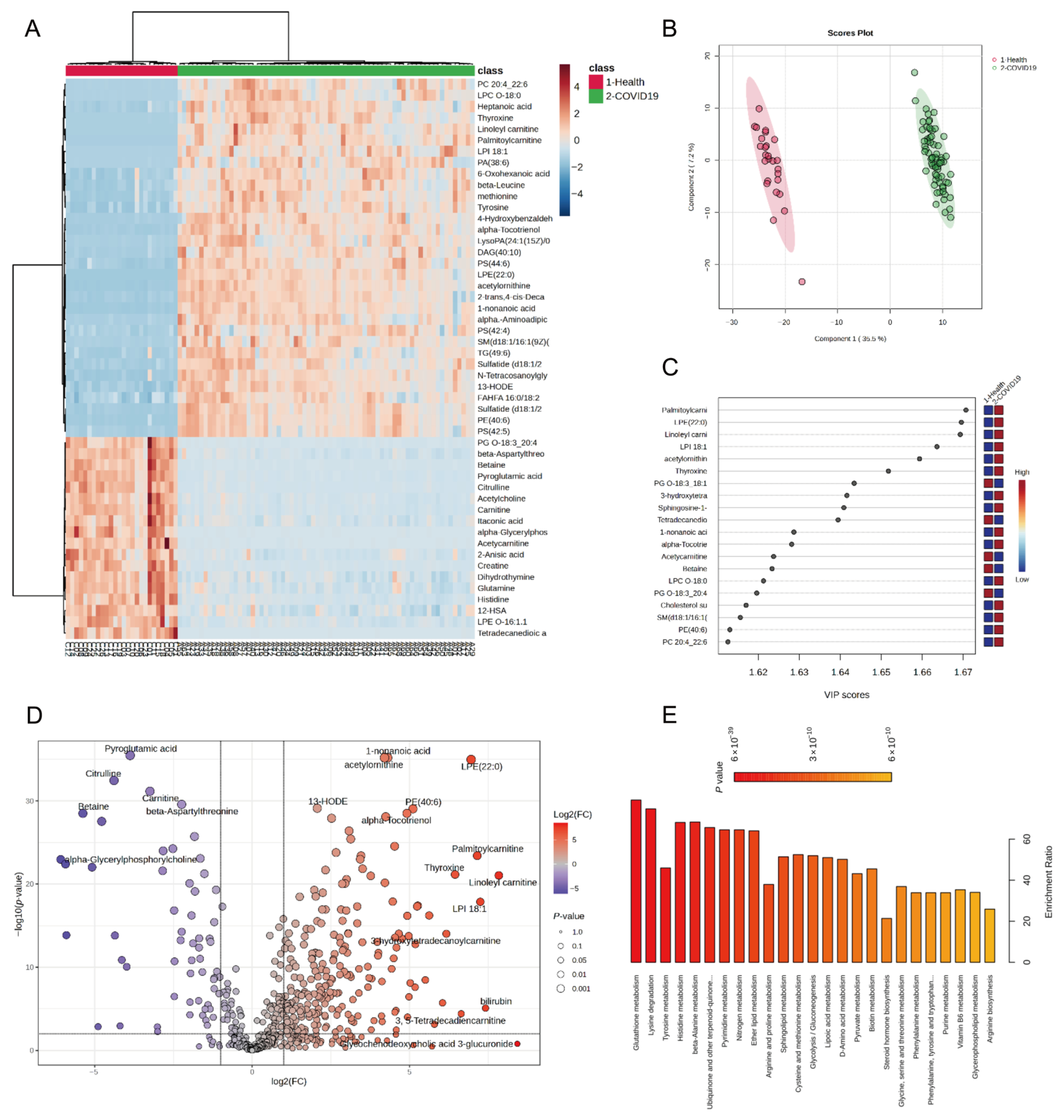
In elderly COVID-19 patients, plasma metabolomic profiles differed markedly from healthy controls and differed between survivors and non-survivors. Researchers profiled plasma metabolites, inflammatory cytokines, and T-cell senescence markers in elderly patients and controls, applying machine learning to identify 24 key metabolites associated with 180-day mortality. These predictive metabolites primarily involved bile acid metabolism, fatty acid oxidation, and phospholipid pathways. Phosphatidylethanolamine 36:3, glycochenodeoxycholic acid, and deoxycholic acid were higher in non-survivors, as were five cytokines: GRO-alpha, IL-6, IL-8, IP-10, and TSLP. Dysregulated phospholipid metabolism, specifically involving PC, LPC, PE, and LPE, was associated with T-cell senescence. In cell culture, adding exogenous LPE 18:1 attenuated selected markers of T-cell senescence.
Why it matters
The findings suggest that metabolic dysregulation may interact with immunosenescence and heightened inflammation during acute infections in older adults. Clarifying these connections could offer clues to how lipid and bile acid pathways influence immune resilience in aging populations.
Caveats
The clinical findings are observational and show associations rather than causal relationships between circulating metabolites, immune markers, and patient survival. In addition, the cellular effects of lysophosphatidylethanolamine were tested only in vitro, and sample sizes were not reported in the abstract.
- Lysophosphatidylethanolamine 18:1
- Cellular senescence
- Fatty acid β-oxidation
- COVID-19
- Glycochenodeoxycholic acid
- Humans
The paper
Peking University · Chinese PLA General Hospital
Biomedicines · 19 Sep 2026 · CC BY