Reduction of the Fast Sodium Current in the Myocardium of Fish (Nothobranchius furzeri) during Aging
Abstract
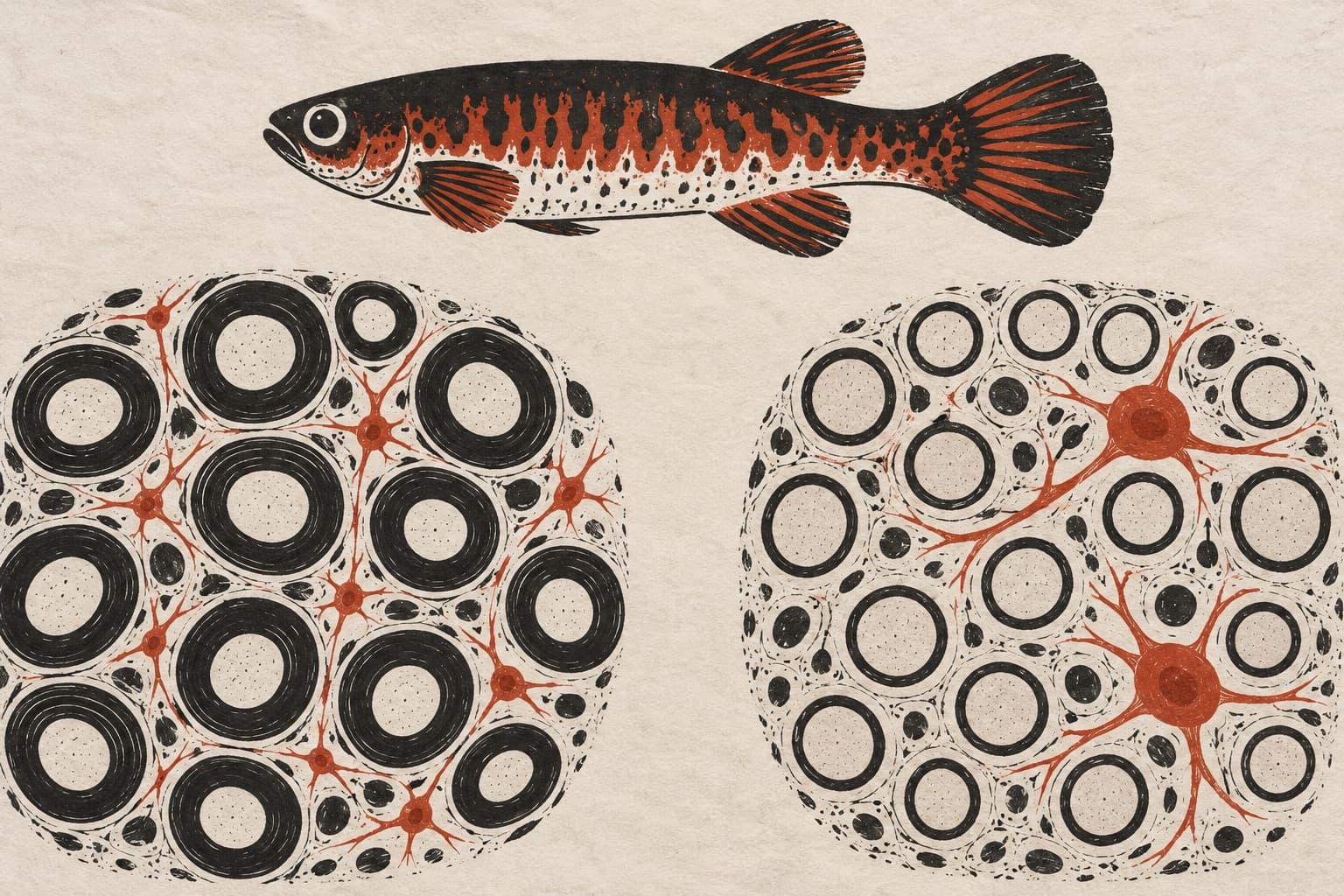
Aging is associated with physiological remodeling of the organism, including cardiac tissue, and an increased risk of arrhythmias. We analyzed age-related changes in cardiomyocyte morphology and the fast sodium current (INa), which determines cardiac excitability and conduction velocity, in the ventricular myocardium of the short-lived fish Nothobranchius furzeri. Isolated cardiomyocytes from young (2‑month-old) and aged (4‑month-old) fish were examined using light and fluorescence microscopy and the whole-cell patch-clamp technique. Microscopic analysis revealed no evidence of cell hypertrophy or structural changes in the contractile apparatus in cardiomyocytes from aged fish. However, aging was accompanied by a significant decrease in the amplitude of the fast sodium current INa. The absence of changes in the kinetic parameters of the current may be due to a lower density of sodium channels in the cell membrane during aging.
The paper
Lomonosov Moscow State University
Bulletin of Experimental Biology and Medicine, 22 Sep 2026