Peptide strengthens the vaginal barrier in mice
In mice given a contraceptive that lowers estrogen, an experimental peptide restored vaginal lining thickness and reduced susceptibility to bacterial and viral genital infections.
Our read
Interventions- Studied:
- Experiments in DMPA-treated mice
- What changed:
- The peptide restored vaginal epithelial thickness and reduced susceptibility to bacterial and viral genital infections in treated mice
- The catch:
- The study modeled estrogen loss with a contraceptive, rather than studying menopause
- Why it’s aging research:
- It bears on staying healthy in midlife and later life.
Editor of record: Boris Djordjevic · AgingResearch.News
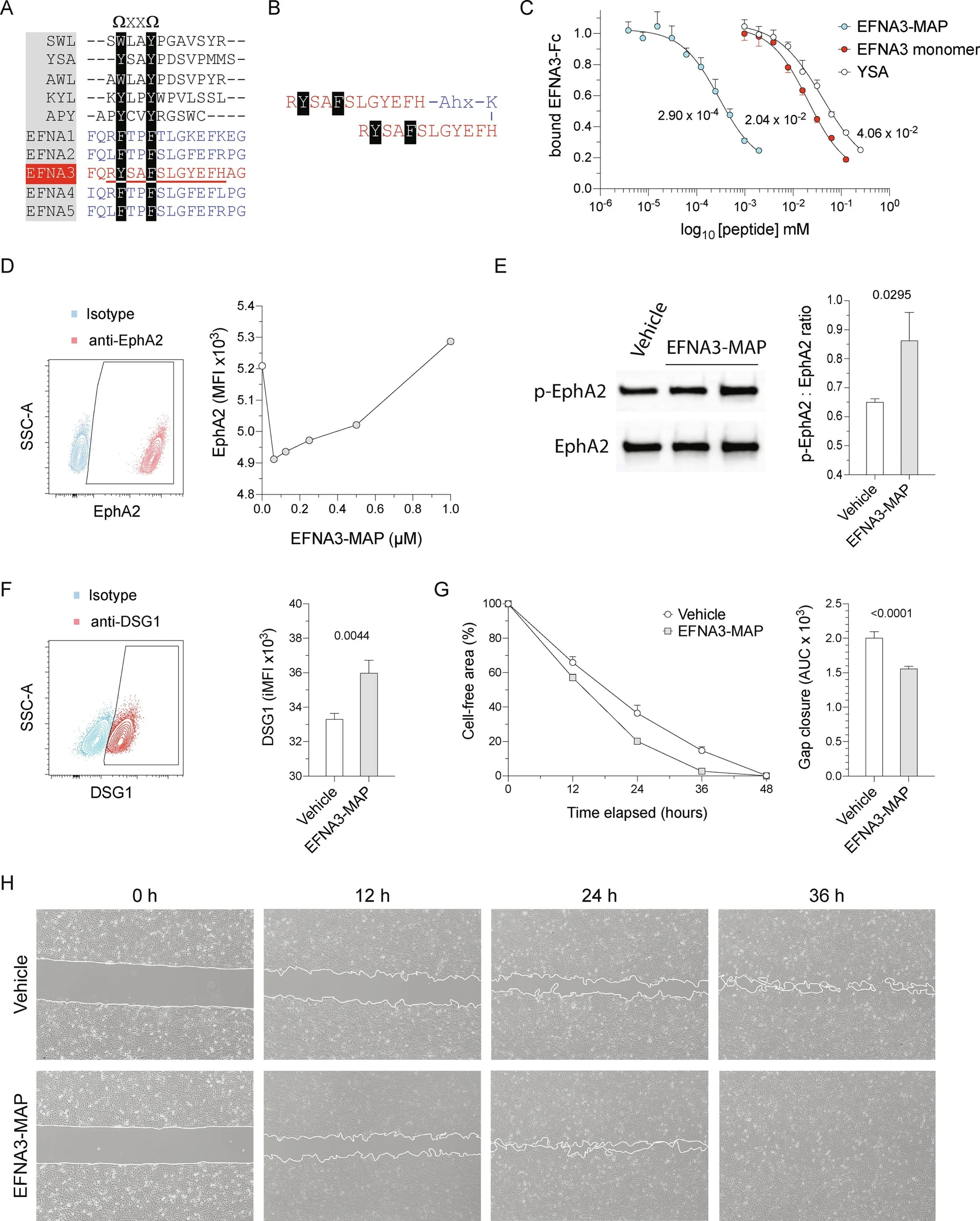
In experiments in mice given the contraceptive depot-medroxyprogesterone acetate, researchers tested a peptide, a short chain of amino acids, designed to support the vaginal lining. The contraceptive induces estrogen loss, which weakens this barrier.
The peptide mimics a natural signaling protein that supports connections between cells. It penetrated the vaginal lining more effectively than a laboratory-made version of that protein. It restored lining thickness and levels of desmoglein-1, a protein that helps hold cells together. It also reduced the mice’s susceptibility to genital infections with bacterial and viral pathogens. In separate experiments in rhesus macaques given the same contraceptive, topical application of the peptide restored vaginal lining thickness and desmoglein-1 levels.
Why it matters
Estrogen loss during menopause can weaken the vaginal barrier. The research bears on whether signals that support connections between cells could be targeted to maintain that barrier.
Caveats
The study modeled estrogen loss with a contraceptive, rather than studying menopause. Its results came from mice and rhesus macaques, not people.
The paper
The Ohio State University
Mucosal Immunology, Sep 21, 2026, Open access


Comments
Be the first to comment.