Hinokitiol reduced toxin damage in lab-grown cells
Experiments in a lab-grown nerve-cell model found less toxicity from rotenone after pretreatment with hinokitiol at 25 and 50 micromolar.

Our read
Interventions- Studied:
- Experiments in retinoic acid-differentiated SH-SY5Y cells
- What changed:
- Pretreatment with 25 and 50 micromolar hinokitiol reduced toxicity from 10 micromolar rotenone
- The catch:
- GPX4 gene expression was measured, but direct GPX4 enzyme activation was not measured
- In the record:
- One of 3 papers on hinokitiol on record: 1 with results in people, 1 in animals.
Editor of record: Boris Djordjevic · AgingResearch.News
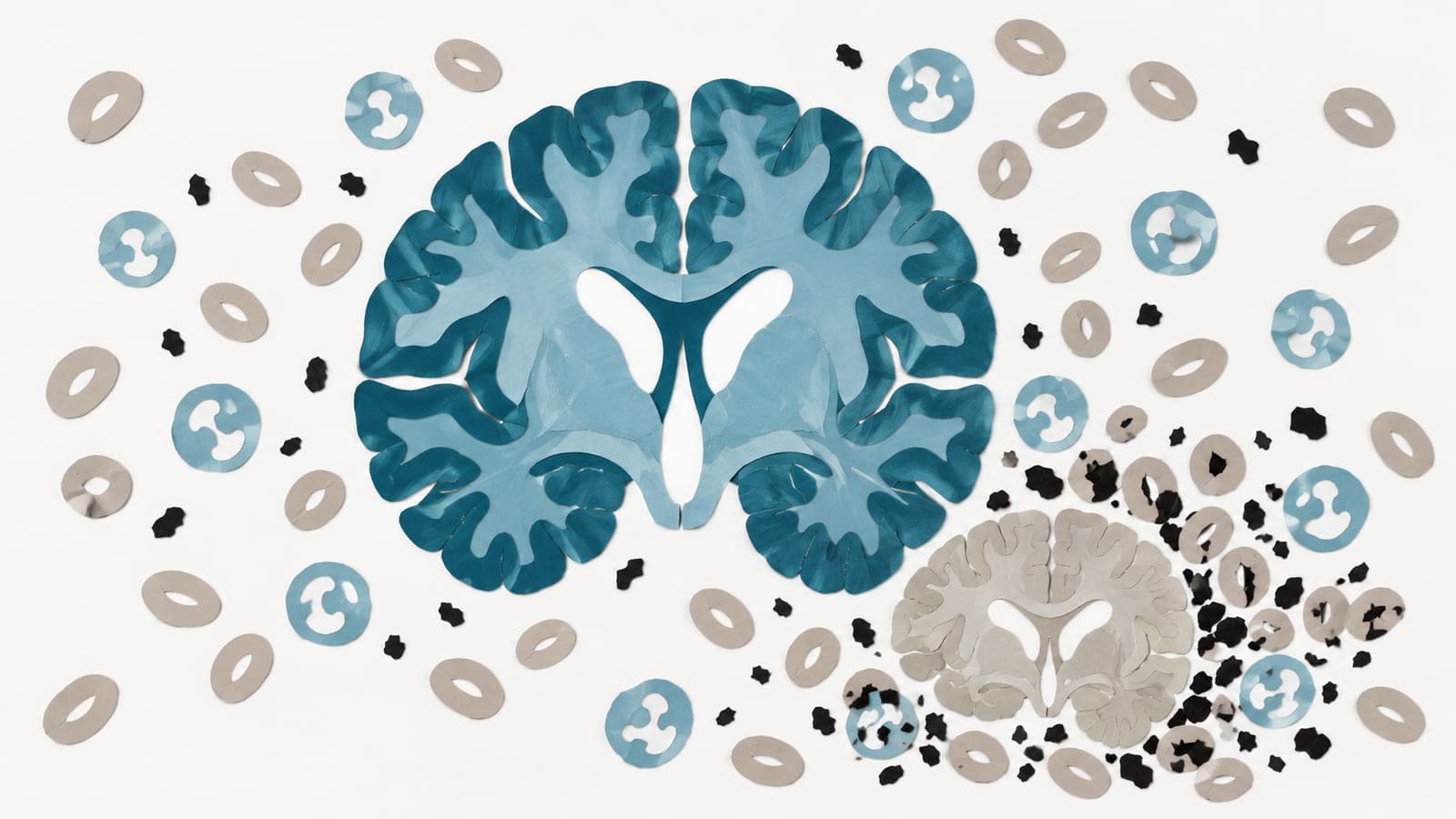
Experiments in SH-SY5Y cells matured with retinoic acid tested whether hinokitiol protected this lab-grown nerve-cell model from rotenone, a toxin. Pretreatment with 25 and 50 micromolar hinokitiol reduced toxicity from 10 micromolar rotenone. It also reduced a marker of fat damage and iron levels inside cells, and increased activity of the gene for GPX4, an enzyme that limits such damage.
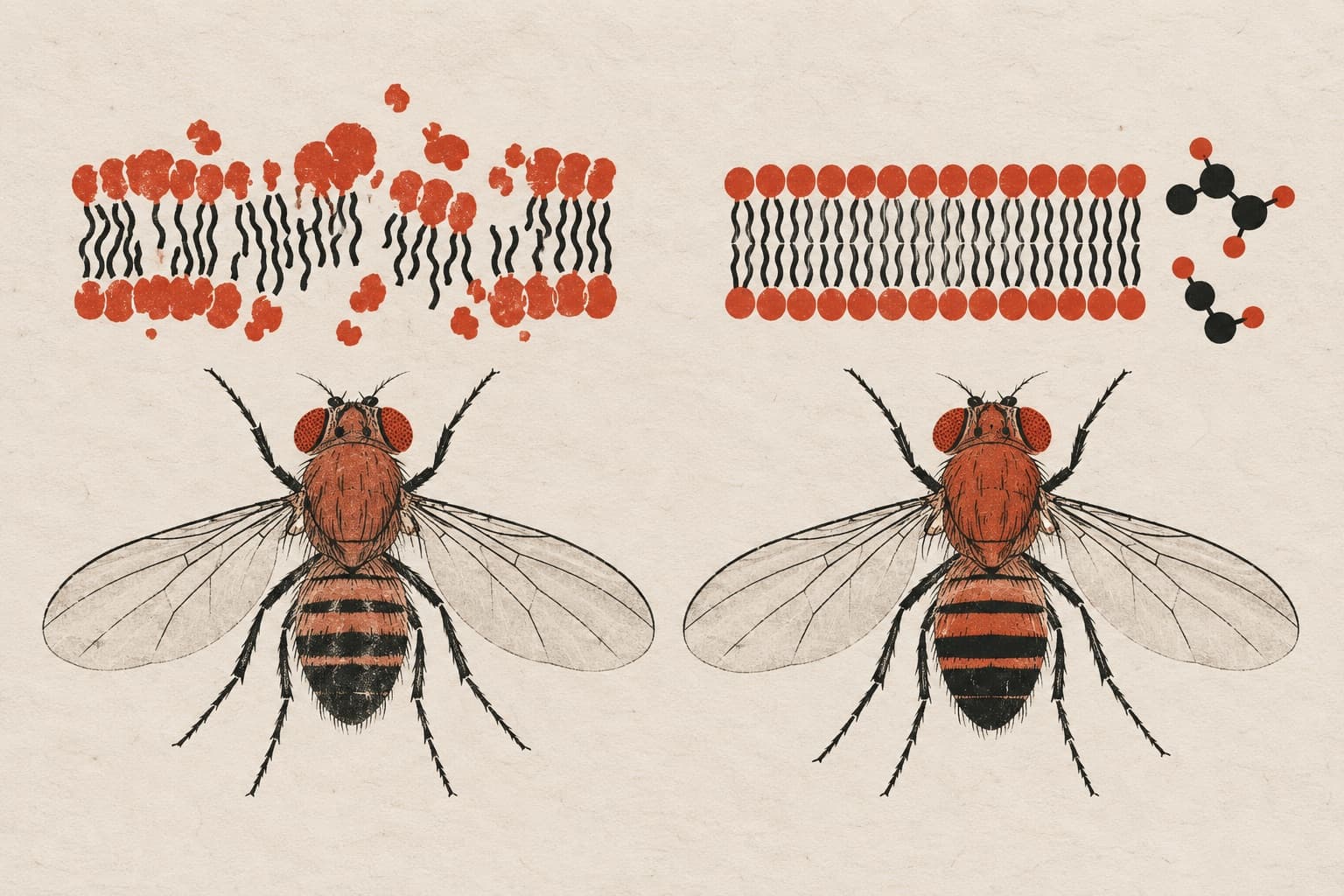
Computer simulations suggested stable hinokitiol binding to GPX4. In fruit flies, rotenone reduced mean survival to approximately 19 days. Adding hinokitiol extended it to about 23 days at 500 parts per million and 27 days at 1,000 parts per million. In mice with rotenone-induced Parkinson’s disease, hinokitiol reduced catalepsy, a state of rigid immobility, and improved movement and coordination. The authors suggested hinokitiol might limit nerve-cell degeneration, possibly by altering GPX4 activity.
Why it matters
The work explores whether ferroptosis—cell death driven by iron-dependent damage to fats—could be a target for protecting nerve cells in age-related Parkinson’s disease.
Caveats
These experiments used cells and animal models, not people with Parkinson’s disease. Simulated binding and increased gene activity do not establish that hinokitiol activated GPX4.
The paper
JSS Academy of Higher Education and Research
Neurochemical Research, Sep 17, 2026
Comments
Be the first to comment.