Dementia study in Kinshasa enrolls adults aged 65 and older
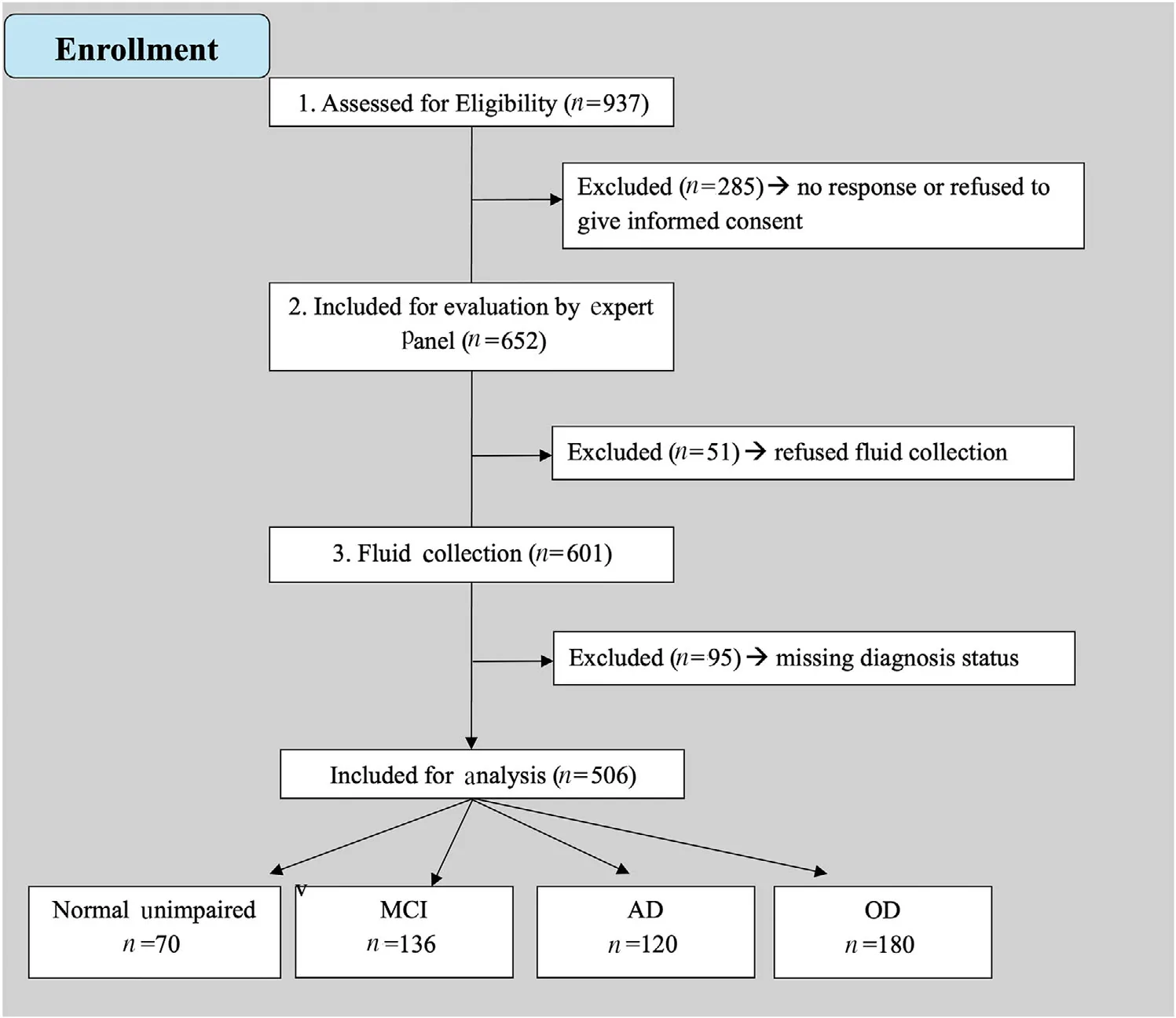
The observational cohort has enrolled 506 people and plans assessments every two years to investigate social, environmental and biological factors linked to dementia.
Our read
AI & data- Studied:
- Cohort study of 506 adults aged ≥65 years
- What changed:
- To date, 506 individuals have enrolled
- The catch:
- Convenience sampling and cultural barriers led to selection bias and fewer male participants
- In the record:
- The 3,276th paper on dementia with results in people; 9,732 on record in all.
- Why it’s aging research:
- It bears on staying healthy in midlife and later life.
Editor of record: Boris Djordjevic · AgingResearch.News
In Kinshasa, Democratic Republic of Congo, 506 adults aged 65 and older enrolled in a prospective observational cohort study of dementia. Launched in 2024, the study recruited through community and clinical settings. Participants averaged 73.4 years of age, and 59.3% were women. Assessments covered thinking, neurological health, social circumstances and environmental exposures.
The cohort included people without cognitive impairment, those with mild cognitive impairment—problems with memory or thinking—and those with suspected Alzheimer’s disease or other dementias. Participants with suspected dementia had higher rates of hypertension, or high blood pressure, and more mental health and behavioral symptoms. They also had lower body weight and education, lower resilience scores and higher poverty scores.
Why it matters
Following older adults over time may help researchers understand potentially modifiable risks associated with dementia. The authors describe this as the first large-scale dementia cohort in French-speaking sub-Saharan Africa.
Caveats
These initial observational comparisons cannot establish causes or show whether the differences preceded dementia. Participants were adults aged 65 and older recruited through community and clinical settings in Kinshasa.
The paper
Emory University
Alzheimer's & Dementia Behavior & Socioeconomics of Aging, Jun 6, 2026, Open access

Comments
Be the first to comment.