Higher blood pressure before 40 linked to cognitive decline
An observational analysis of 280 adults followed for a median of 10 years linked early blood pressure and smoking to later cognitive decline.
Our read
Populations- Studied:
- Cohort study of 280 Black and White men and women, median 10 years (Dose-response)
- What changed:
- Higher blood pressure before 40 was linked to declining thinking skills in midlife
- The catch:
- Cognitive benefits from treating high blood pressure before 40 were not measured
- Stake:
- An author sits on the board of GalileoCDS.
- In the record:
- The 1,664th paper on smoking with results in people; 4,403 on record in all. Its result on cognitive function agrees with 39 of 42 other findings on record; 1 points the other way and 2 found no change.
- Why it’s aging research:
- It bears on staying healthy in midlife and later life.
Editor of record: Boris Djordjevic · AgingResearch.News
A prospective observational study followed 280 Black and White men and women, averaging 50 years old when cognitive follow-up began. Researchers examined vascular risk records spanning 35 years and tracked cognitive and brain-scan changes for a median of 10 years. They grouped participants by declining or stable cognitive test scores.
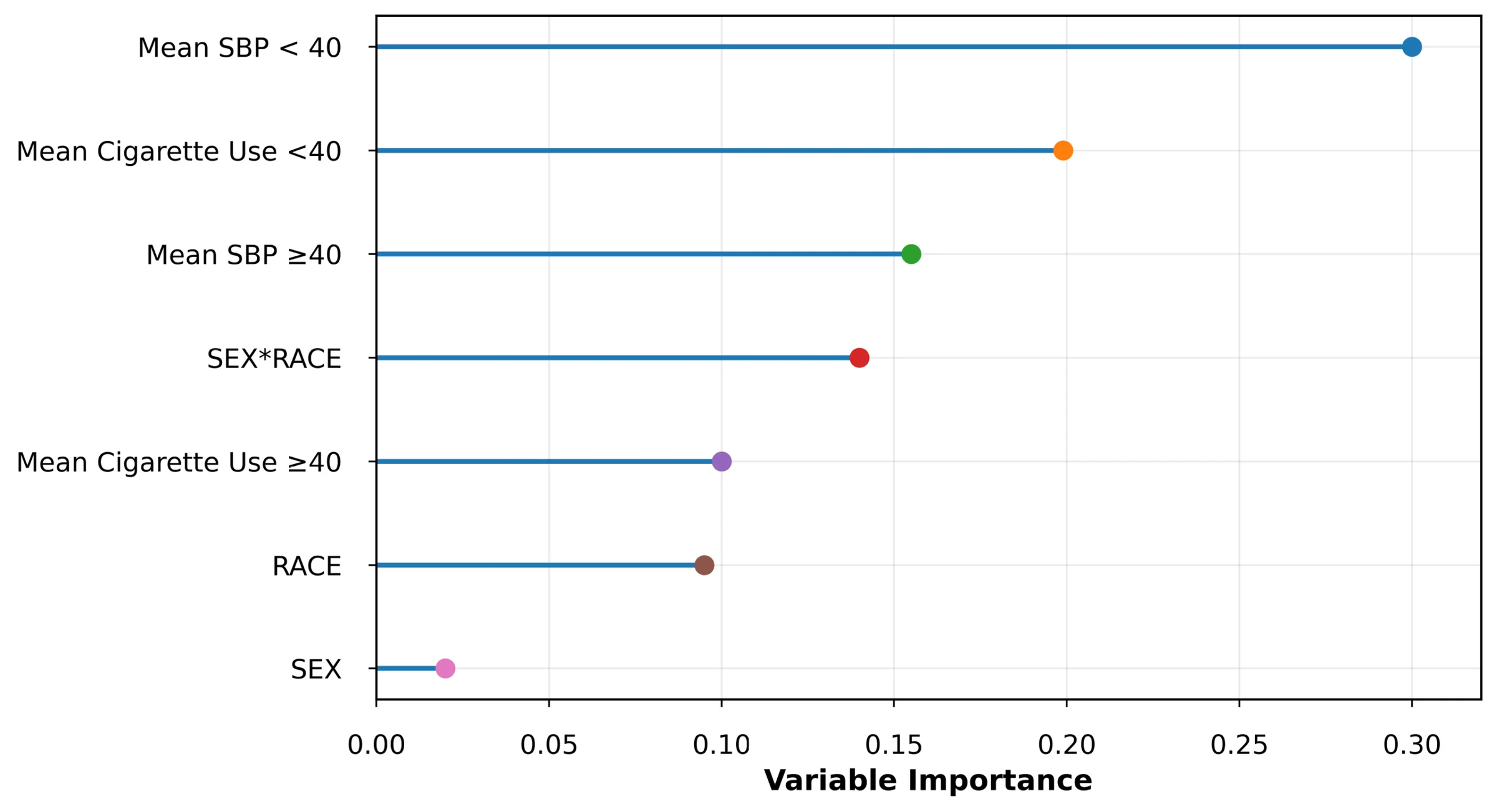
Higher systolic blood pressure—the pressure when the heart contracts—and smoking before 40 were the strongest predictors of group membership. The declining group accumulated more white matter hyperintensities, bright areas on brain scans, and lost more volume in several brain regions. In a separate analysis of 720 participants averaging 61 years old, higher blood pressure levels before 40 were associated with progressively lower cognitive scores.
Why it matters
The authors suggest that early adulthood may be a critical window for managing blood vessel risk factors to preserve thinking and memory in midlife.
Caveats
The observational design cannot establish cause and effect or show that managing these risks before 40 prevents decline. The analyses excluded people with missing required data and included only Black and White adults.

Comments
Be the first to comment.