A Plant-Based Diet and Cardiovascular Disease, Coronary Heart Disease, and Stroke: A Systematic Review and Meta-Analysis of Prospective Cohort Studies
846,589 subjects, declared no competing interests
Abstract
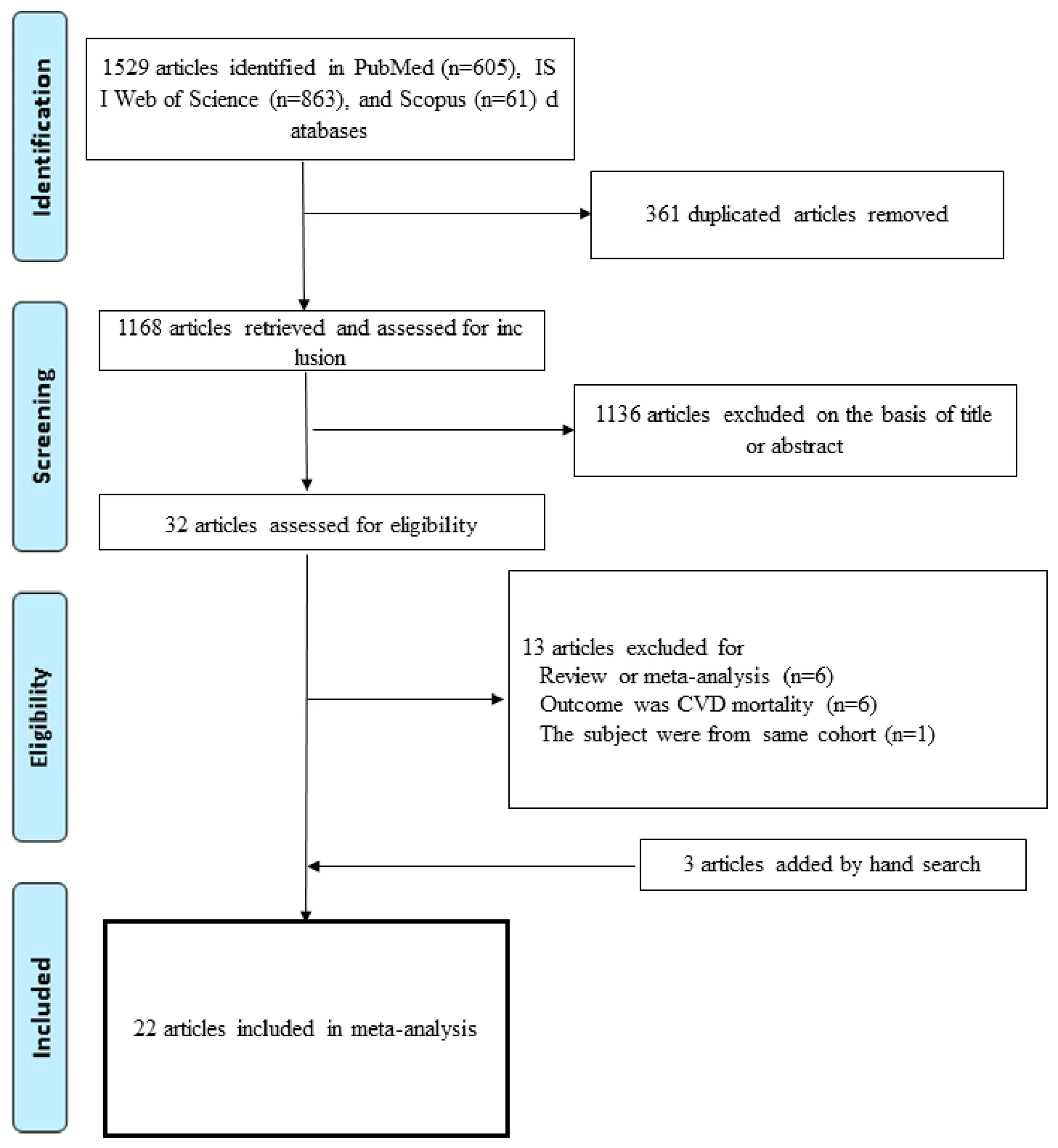
Background/Objectives: This study aimed to examine the association between a plant-based diet (PBD) and the incidence of total cardiovascular disease (CVD), coronary heart disease (CHD), and stroke in a meta-analysis of prospective cohort studies. Methods: We searched the PubMed, ISI Web of Science and Scopus databases up to February 2026 to identify prospective cohort studies assessing the association between a PBD and the incidence of total CVD, CHD, and stroke. Results: A total of twenty-two articles (nineteen cohort studies), including 846,589 subjects and 139,652 cases, were included in the meta-analysis. People with the highest adherence to overall PBD had a 10% lower risk of CVD than those with the lowest adherence (relative risk [RR] = 0.90, 95% CI: 0.85-0.95). Adherence to a healthful plant-based diet (hPBD) was inversely associated with CVD risk (RR = 0.83, 95% CI: 0.76-0.90), whereas adherence to an unhealthful plant-based diet (uPBD) was positively associated with CVD risk (RR = 1.13, 95% CI: 1.03-1.24). High compliance with overall and a healthful PBD was associated with a 9% (RR = 0.91, 95% CI: 0.85-0.96) and 23% lower risk (RR = 0.77, 95% CI: 0.72-0.84) of CHD development compared with low compliance, respectively. High compliance with a uPBD was associated with a 24% higher risk of CHD than low compliance. We found no significant association with stroke risk. Conclusions: This meta-analysis indicated that a PBD was inversely associated with the risk of CVD and CHD. A hPBD showed an inverse association, whereas a uPBD showed a positive association between cardiovascular health. Further well-designed interventions are needed to clarify these associations.