Longer smoking cessation is linked to slower biological aging
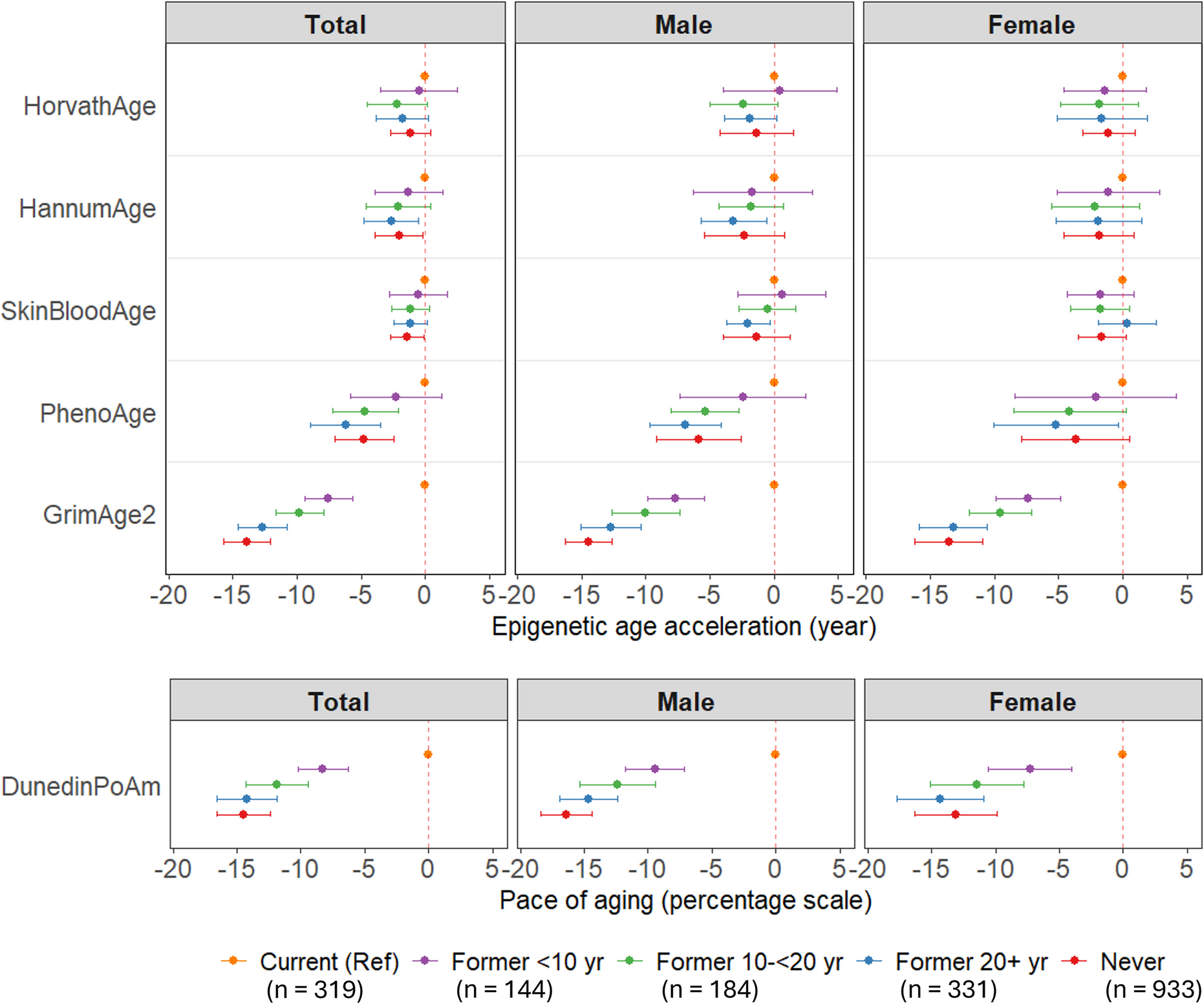
Adults who quit smoking for at least 20 years showed a 12.66-year reduction on a DNA aging clock, approaching the 13.88 years in never smokers.
Dose-response
Limit: Biological aging was measured by DNA methylation clocks; health outcomes were not measured
Edited by Boris Djordjevic · AgingResearch.News
Researchers analyzed 1,911 adults aged 50 to 84 years in an observational study using data from the US National Health and Nutrition Examination Survey. They categorized participants as never, former, or current smokers. Former smokers were grouped by time since quitting: under 10 years, 10 to under 20 years, or at least 20 years. The researchers measured age acceleration with six DNA methylation clocks, which track chemical marks on DNA.
Current smokers had the highest age acceleration across all clocks. Among former smokers, longer cessation was linked to a dose-response reduction in age acceleration, most strongly for two clocks, GrimAge2 and DunedinPoAm. Those who quit for at least 20 years showed a 12.66-year reduction in GrimAge2 acceleration, nearing the 13.88-year reduction in never smokers. Declines were rapid during the first decade after quitting and continued past 20 years for both clocks.
Why it matters
Smoking is a major modifiable risk factor for age-related diseases and death, but whether smoking-induced biological aging is reversible after quitting has remained unclear. The results suggest that long-term cessation is linked to more favorable biological aging profiles, providing molecular evidence for how staying off tobacco may support healthy aging.
Caveats
The findings rely on cross-sectional survey data, which cannot determine whether quitting smoking caused the differences in biological aging. In addition, the study evaluated only US adults aged 50 to 84 years, so the results may not apply to younger age groups.

