Gut microbe patterns linked to long-term health risks
An observational study of 7,141 Finnish adults aged 25–74 linked gut microbial patterns to deaths and disease over a 20-year follow-up.
Our read
Biomarkers- Studied:
- Cohort study of 7,141 Finnish adults, 20-year follow-up
- What changed:
- An Escherichia-dominated gut microbe pattern was linked to higher risk of death
- The catch:
- Microbial patterns were already linked to poorer health at enrollment
- Why it’s aging research:
- Biological age, frailty, function, multimorbidity or death.
Editor of record: Boris Djordjevic · AgingResearch.News
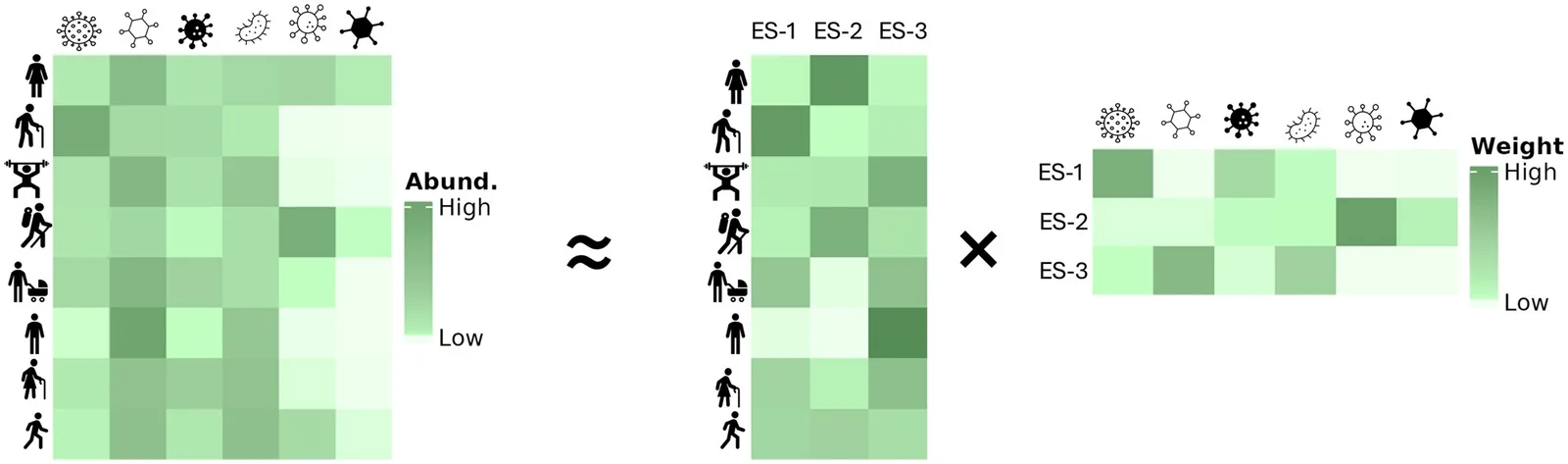
In 7,141 Finnish adults aged 25–74, researchers examined whether patterns of gut microbes were associated with long-term health in an observational cohort study. They analyzed stool samples and linked participants to national health records over a 20-year follow-up. Their computer models grouped microbial species whose abundances varied together, comparing five broad patterns with 20 more detailed ones.
These patterns were associated with later mortality, diabetes, liver disease and sepsis. A pattern dominated by Escherichia bacteria was linked to higher risks of death, liver disease and sepsis. The more detailed model separated a broad Prevotella bacterial pattern into distinct groups linked to diabetes or mortality. The authors suggested that examining microbial communities at different levels of detail may help predict future health.
Why it matters
Recognizing future disease risk is an important question for healthy aging. The authors propose that analyzing groups of microbes, rather than individual species alone, may provide useful information.
Caveats
This observational study cannot establish cause and effect, and some microbial patterns were already linked to poorer health at enrollment. The findings in Finnish adults aged 25–74 may not apply to other ages or populations.
The paper
A spectrum of gut microbiota signatures predicts long-term health status
University of Turku
Bioinformatics, Aug 1, 2026, Open access


Comments
Be the first to comment.