A ROS‑responsive liposome for atherosclerosis treatment via combined regulation of lipid metabolism and CD47 blockade
Abstract
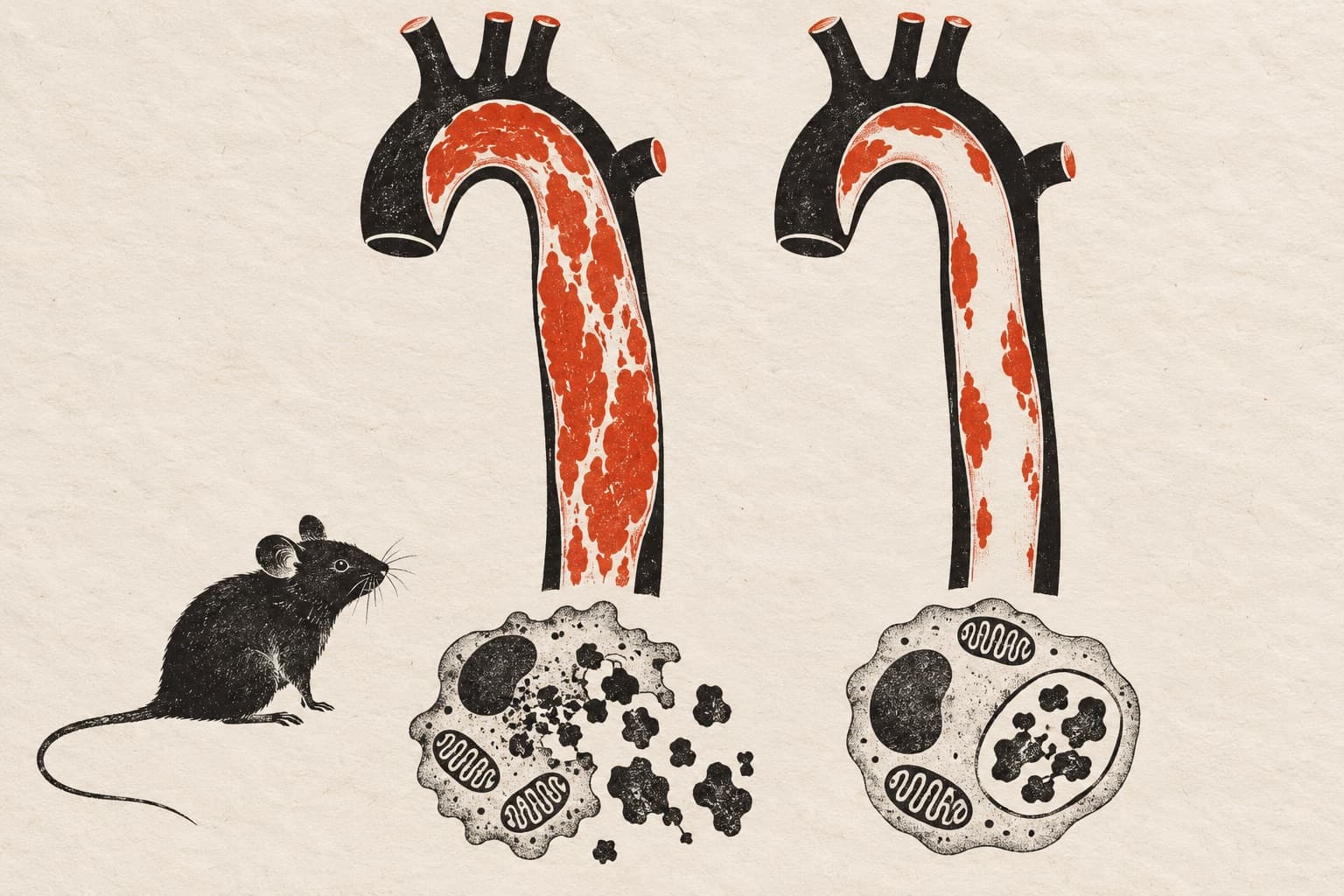
Atherosclerosis is one of the leading causes of death worldwide. Excessive lipid accumulation and defective efferocytosis trigger massive foam cell formation, which serves as a key driver of atherosclerotic plaque progression. In this work, we developed a phospholipid-based nanocarrier (Ato@LHP) to co-load atorvastatin and a CD47-blocking peptide. This system achieves targeted treatment of atherosclerosis through lipid removal and dual CD47 blockade. We used RAW264.7 cells to build foam cell models in vitro, characterized the physicochemical properties of the nanocarrier, and verified its plaque-targeting ability. Six-week-old male ApoE⁻/⁻ mice were fed a high-fat diet for 8 weeks to establish aortic atherosclerosis models, and then were randomly divided into four groups: Saline, Ato@L, Ato@LH, and Ato@LHP. In vivo results showed that compared with the Saline group, Ato@LHP treatment reduced aortic plaque area percentage from 28.8% to 11.1%, and the plaque vulnerability index simultaneously decreased from 1.14 ± 0.05 to 0.55 ± 0.04. Mechanistic studies indicated that atorvastatin acts through an endogenous pathway: it blocks the nuclear translocation of NF-κB p50 and reduces CD47 gene transcription. Meanwhile, the nanocarrier responds to reactive oxygen species (ROS) at lesion sites and releases Pep-20 (a CD47-blocking peptide), which directly blocks the CD47/SIRPα interaction via an exogenous pathway. These two pathways work together to restore macrophage efferocytosis and accelerate the clearance of apoptotic foam cells. In addition, Ato@LHP clearly reduces lipid accumulation in plaques, relieves local inflammation, and stabilizes atherosclerotic plaques. This strategy of combining dual CD47 blockade with targeted lipid clearance offers a reliable new approach for targeted atherosclerosis treatment.
The paper
Sichuan Agricultural University
International Journal of Pharmaceutics, 30 Jul 2026, Open access