Unique transcriptomic alterations in 5XFAD;PS19 mouse model identify glial lipid dysregulation and coordinated microglial-oligodendrocyte responses
Abstract
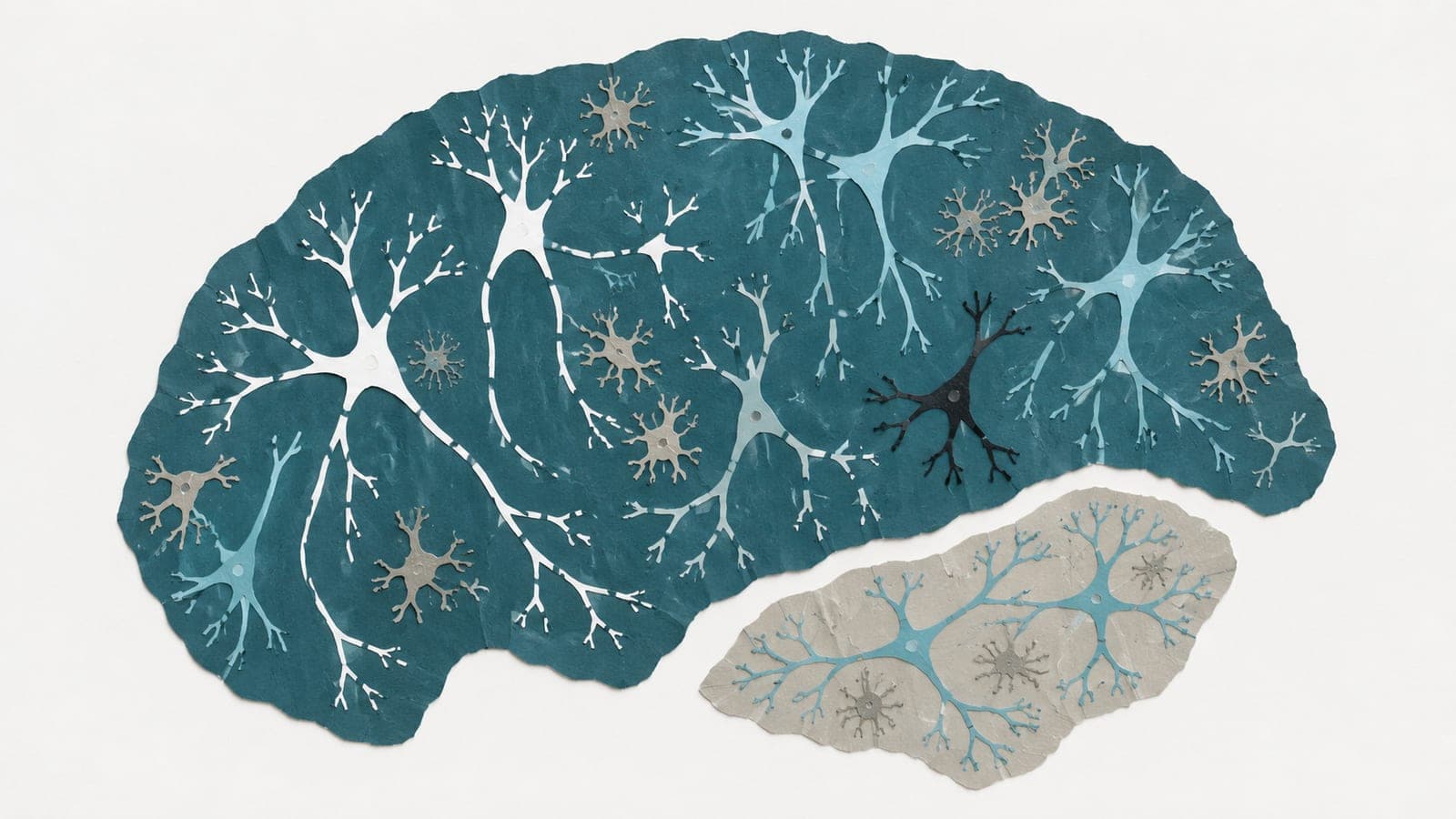
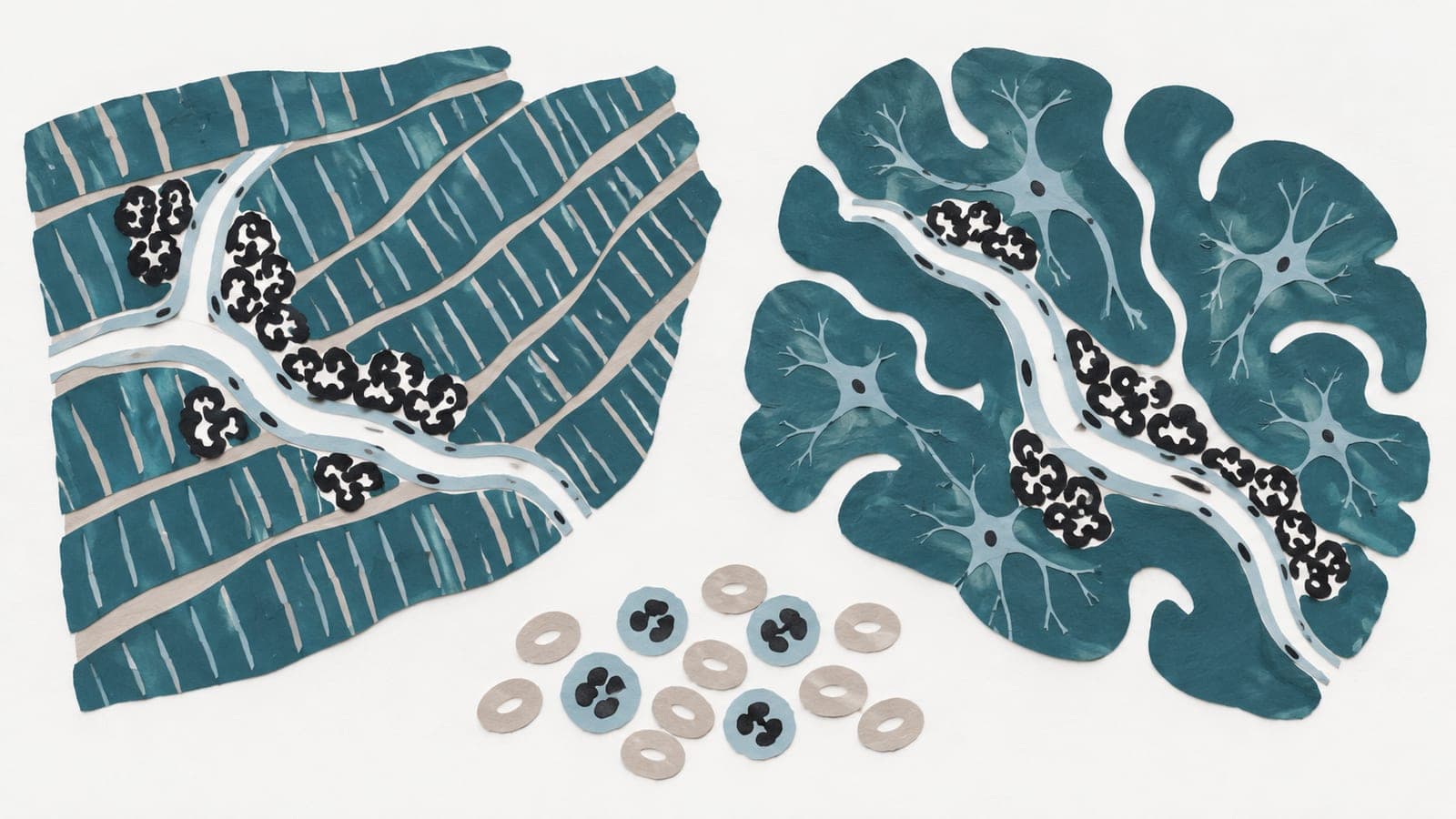
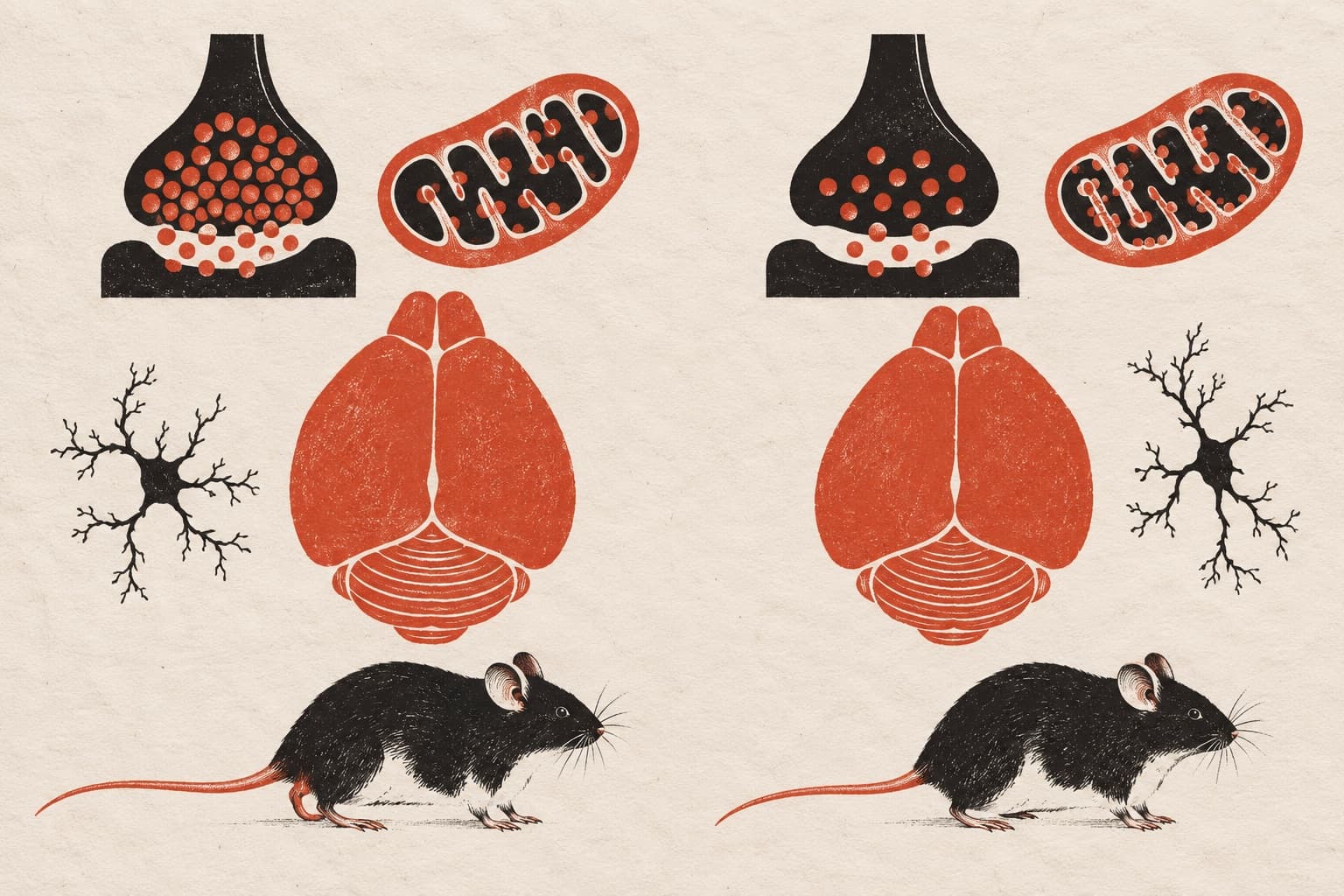
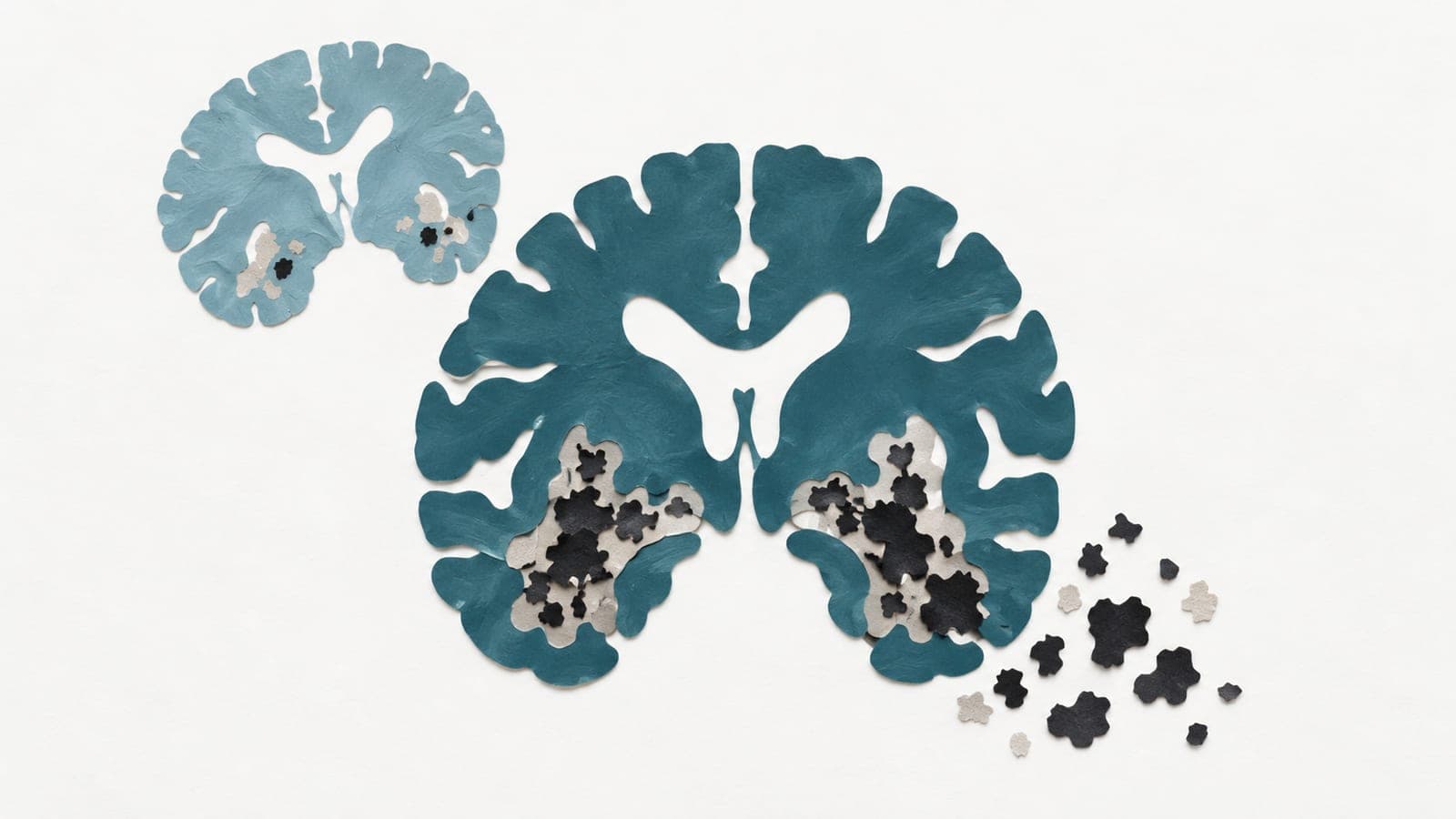
INTRODUCTION: Alzheimer's disease (AD) features amyloid beta (Aβ) plaques and tau tangles, yet how their coexistence reshapes brain transcriptomic programs remains unclear. METHODS: We performed high-quality, sex-balanced single-nucleus RNA sequencing of 5XFAD (Aβ), PS19 (tau), and combined 5XFAD;PS19 mice. RESULTS: We identified transcriptional programs that emerged most prominently under combined pathology. These programs included disruption of glial lipid metabolism and immune pathways at the network level, alongside immune and synaptic alterations coordinated between microglia and oligodendrocytes. Cross-species analyses further revealed that the pathway-level alterations under combined pathology, particularly in immune, lipid, and cell cycle programs, exhibited the strongest concordance with human AD datasets, underscoring their translational relevance. DISCUSSION: Beyond benchmarking mouse models, this study provides a high-quality transcriptomic resource to dissect multicellular disease mechanisms in AD and to prioritize therapeutic targets for a network-level systems pharmacology approach.
The paper
Indiana University Bloomington; Indiana University Indianapolis
Alzheimer's & Dementia, 1 Aug 2026