Cell counts may miss dementia-linked changes in human brains
An observational analysis of human brain tissue compared gene activity and cell proportions across normal cognition, disease-related aging and dementia.
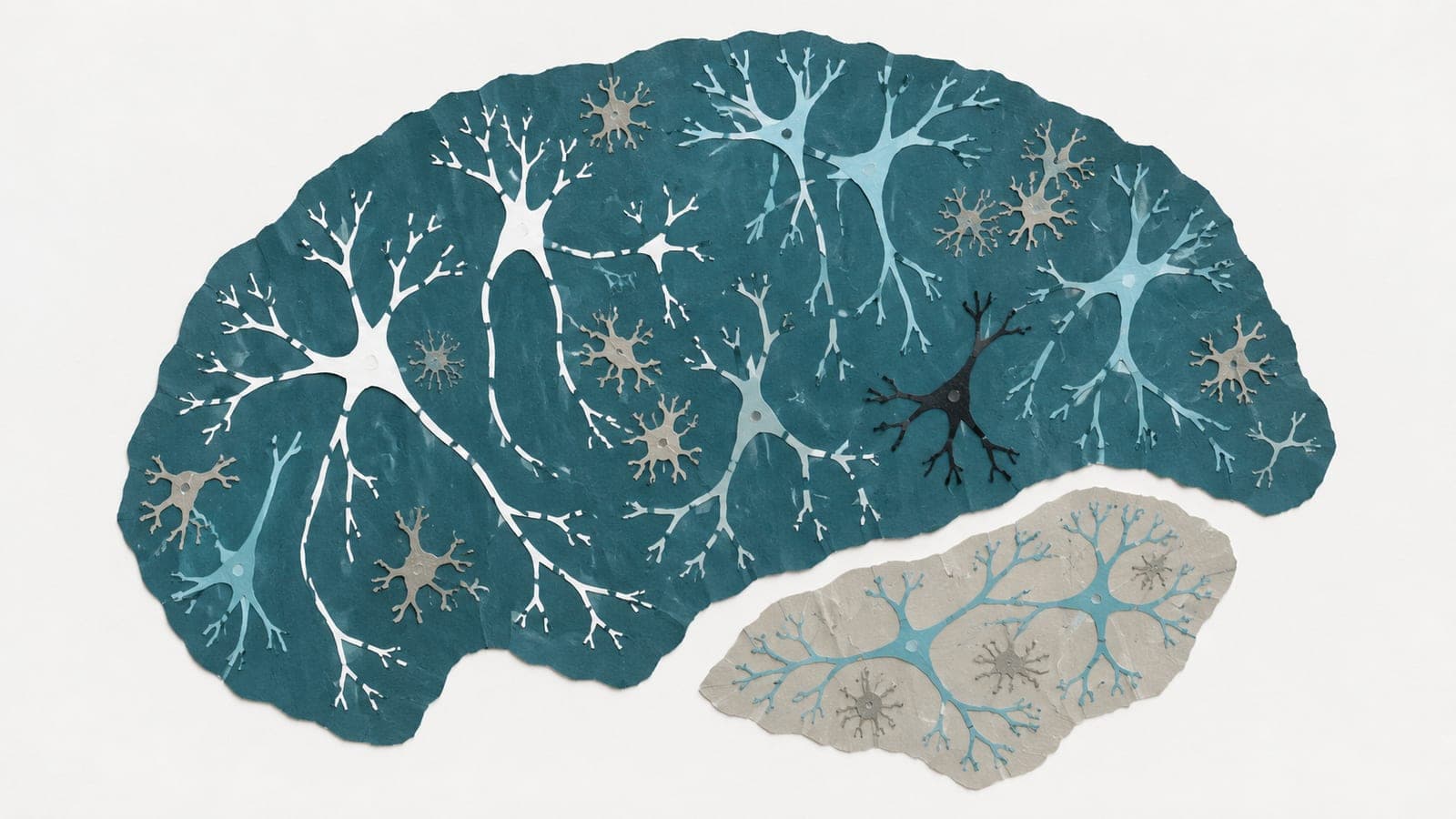
Researchers analysed gene activity data from human brain tissue in an observational study covering normal cognition, aging with disease-related changes, Alzheimer’s dementia and Nasu-Hakola disease. They used data from individual cell nuclei in two brain regions, plus whole-tissue data from a third.
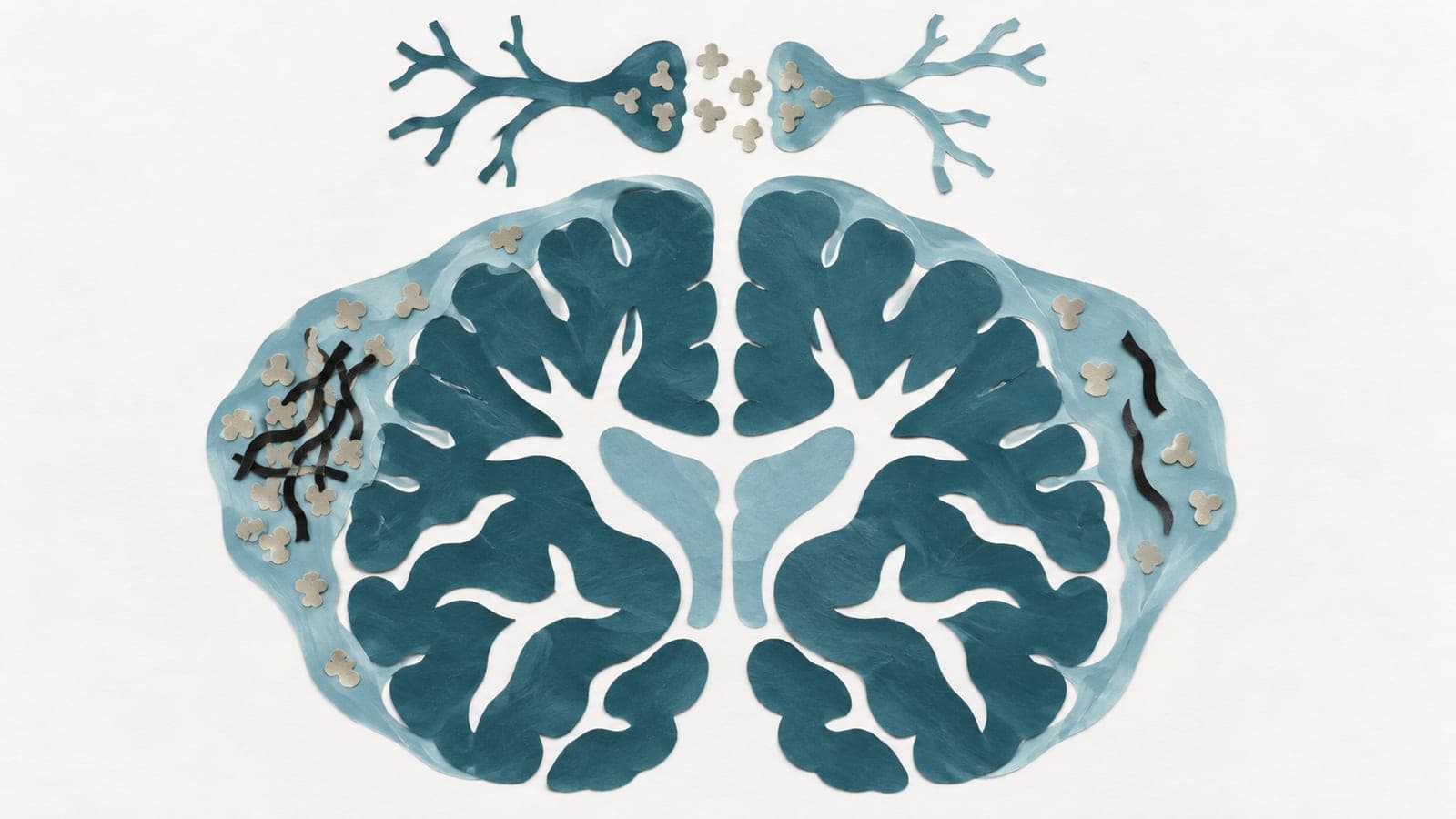
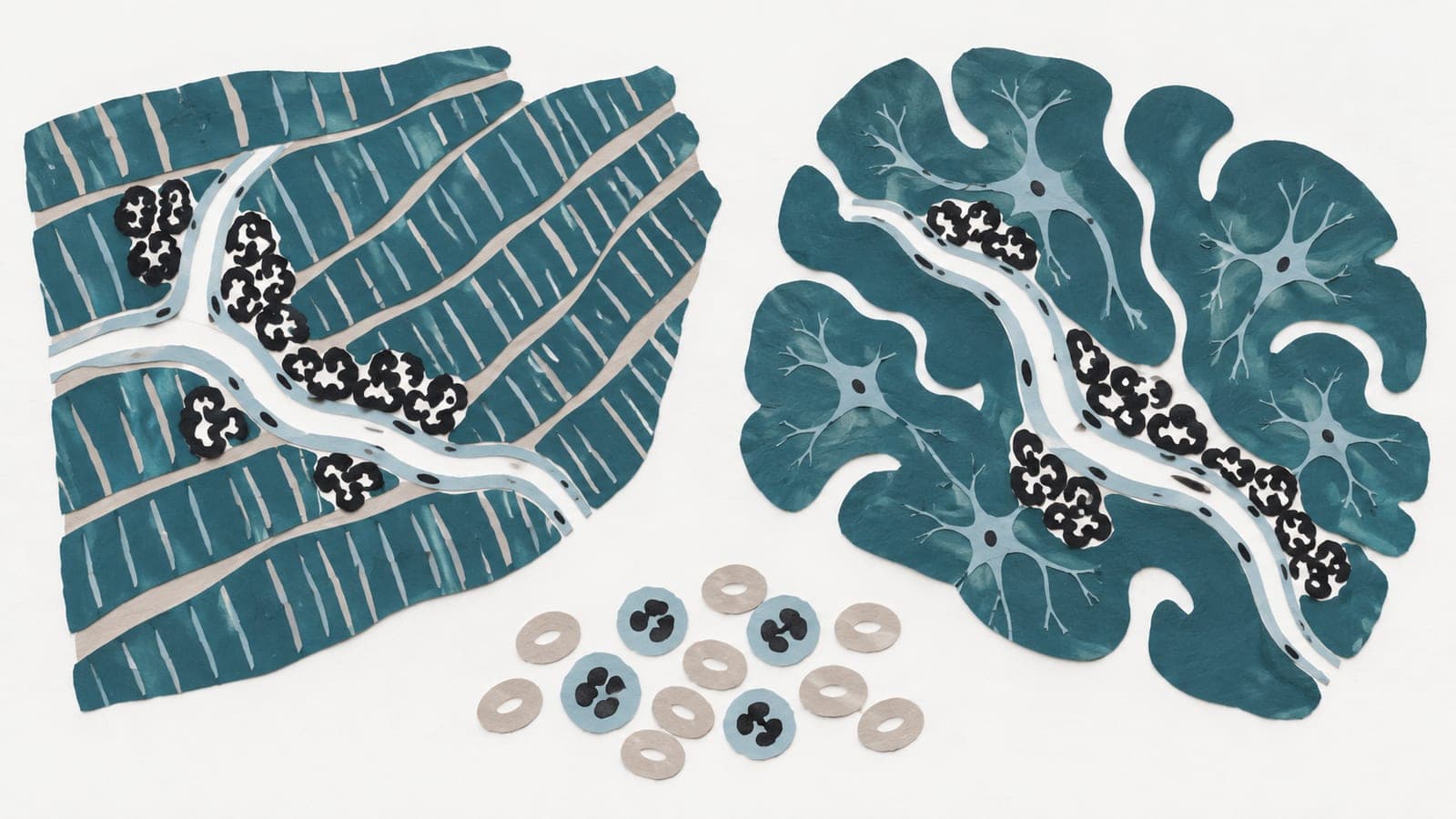
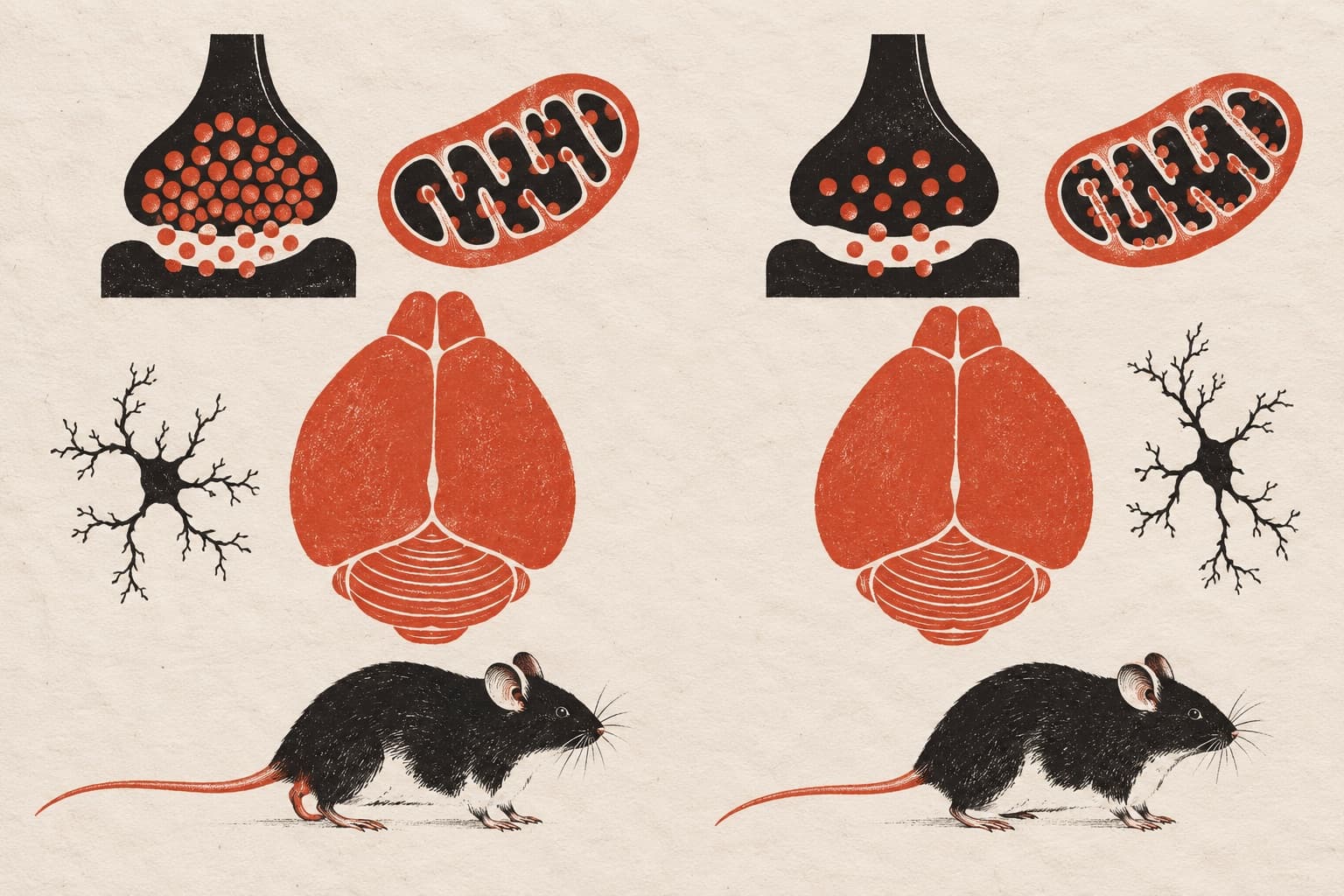
In the dorsolateral prefrontal cortex, a frontal brain region, they observed altered gene activity programmes involved in cellular energy supply and maintaining connections between nerve cells. In the occipital cortex, at the back of the brain, Nasu-Hakola disease was linked to lower proportions of some nerve-cell types and higher proportions of others. Overall, the findings suggested that cells remaining present did not necessarily preserve their patterns of gene activity.
Why it matters
The work offers a framework for studying how nerve cells and their supporting cells respond to degenerative changes in the aging brain.
Caveats
This observational analysis could not establish whether the cellular changes caused dementia or compensated for it. The paper is a preprint and has not been peer-reviewed.
The paper
Shiv Nadar University
bioRxiv, 11 Oct 2026, CC BY-NC, Preprint, not peer-reviewed