Brain energy crisis in Alzheimer's and Parkinson's disease: Nanotechnology as a therapeutic strategy
Abstract
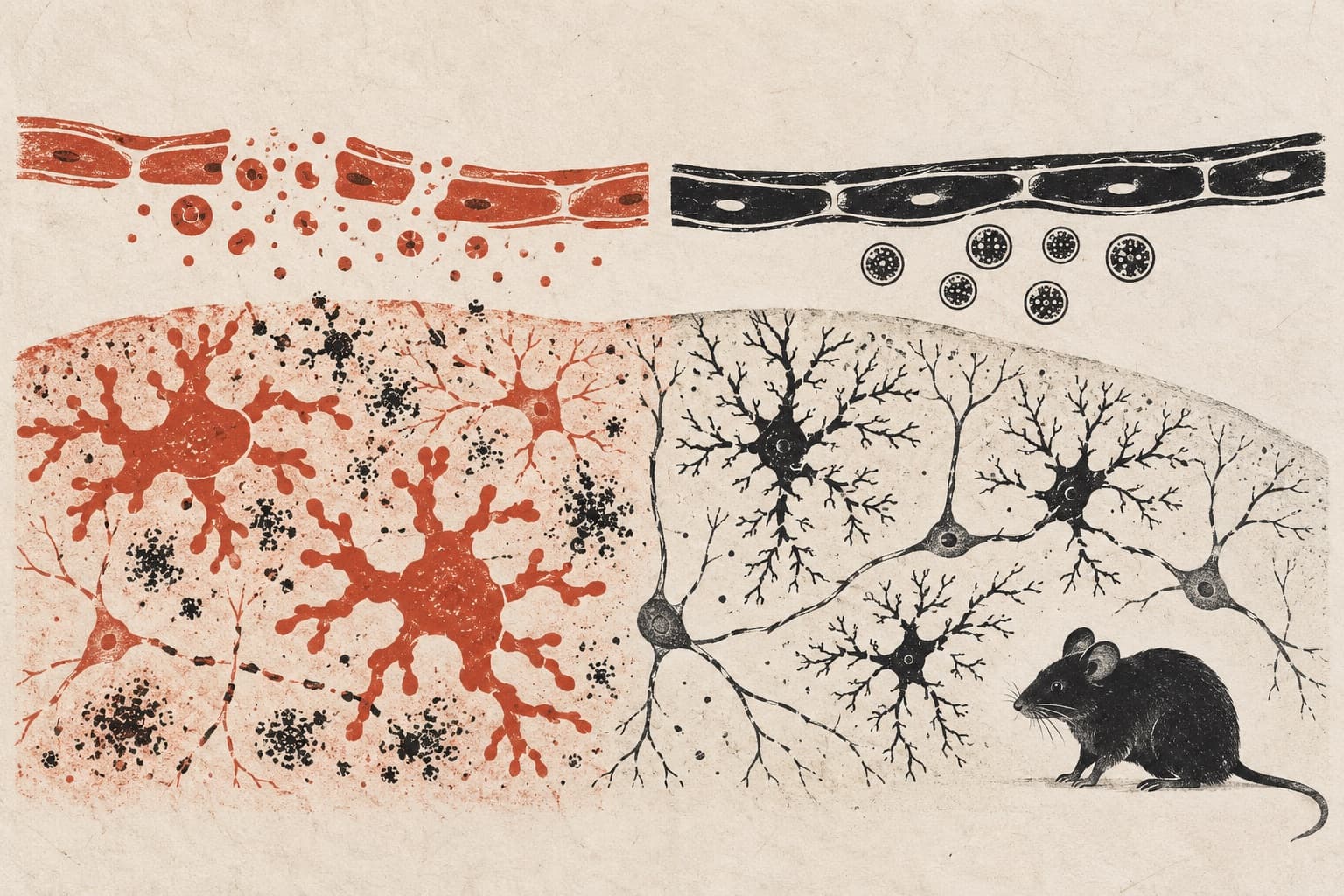
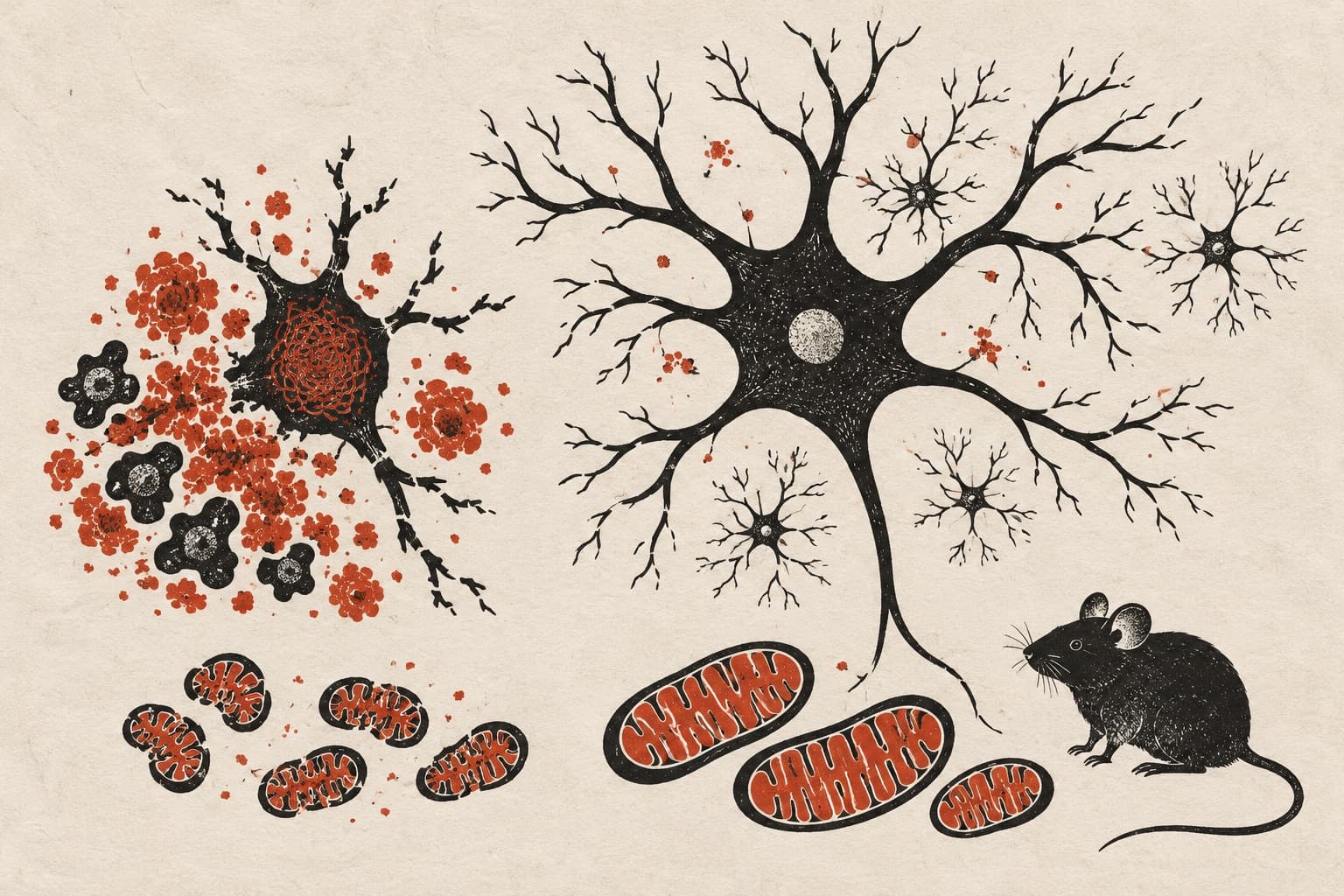
Alzheimer's disease and Parkinson's disease are increasingly recognized as disorders marked not only by protein aggregation but by a sustained failure of brain energy metabolism. Years before overt cognitive or motor symptoms emerge, neurons begin to experience impaired glucose utilization, mitochondrial dysfunction, and declining ATP production. Because the brain is highly energy-dependent, even subtle metabolic disturbances can disrupt synaptic function, impair neuronal signaling, and trigger oxidative stress. As mitochondrial efficiency declines, reactive oxygen species accumulate, inflammatory pathways become chronically activated, and damaged cellular components are insufficiently cleared, creating a vicious cycle that accelerates neurodegeneration. Conventional metabolic therapies, including antioxidants and mitochondrial cofactors, have produced limited clinical success, largely due to poor penetration across the blood-brain barrier and lack of specificity for vulnerable neuronal populations and intracellular targets such as mitochondria. Nanotechnology introduces a more precise therapeutic strategy by enabling targeted delivery of metabolic modulators directly to the brain. Engineered nanocarriers can be designed to cross biological barriers, enhance drug stability, and release therapeutic agents in a controlled or stimuli-responsive manner within diseased regions. Advanced systems including polymeric nanoparticles, lipid-based carriers, intranasal nano formulations, biomimetic vesicles, and catalytic nanozymes offer the ability to simultaneously modulate oxidative stress, restore mitochondrial function, and regulate neuroinflammation. By integrating delivery precision with metabolic intervention, neuro-nanomedicine shifts the therapeutic focus from symptomatic management toward addressing the underlying bioenergetic crisis. Although challenges remain in safety validation, scalability, and clinical translation, targeted nanotherapeutic strategies hold significant promise for transforming the treatment landscape of these debilitating neurodegenerative disorders.
The paper
Indian Institute of Technology BHU
International Review of Neurobiology, 4 Jul 2026