Integrating fine needle aspiration and single-cell RNA sequencing for studying metabolic dysfunction-associated steatotic liver disease
Abstract
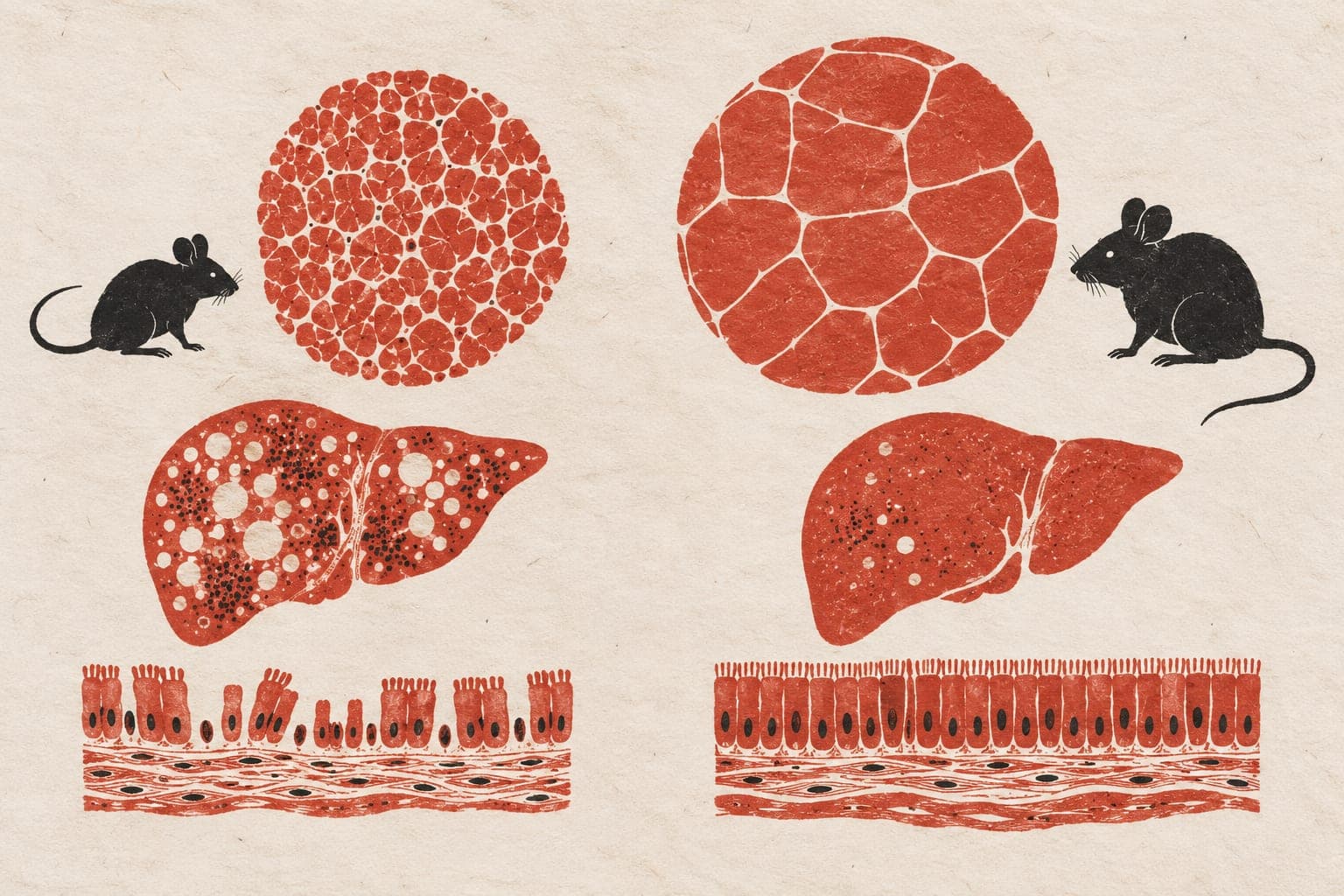
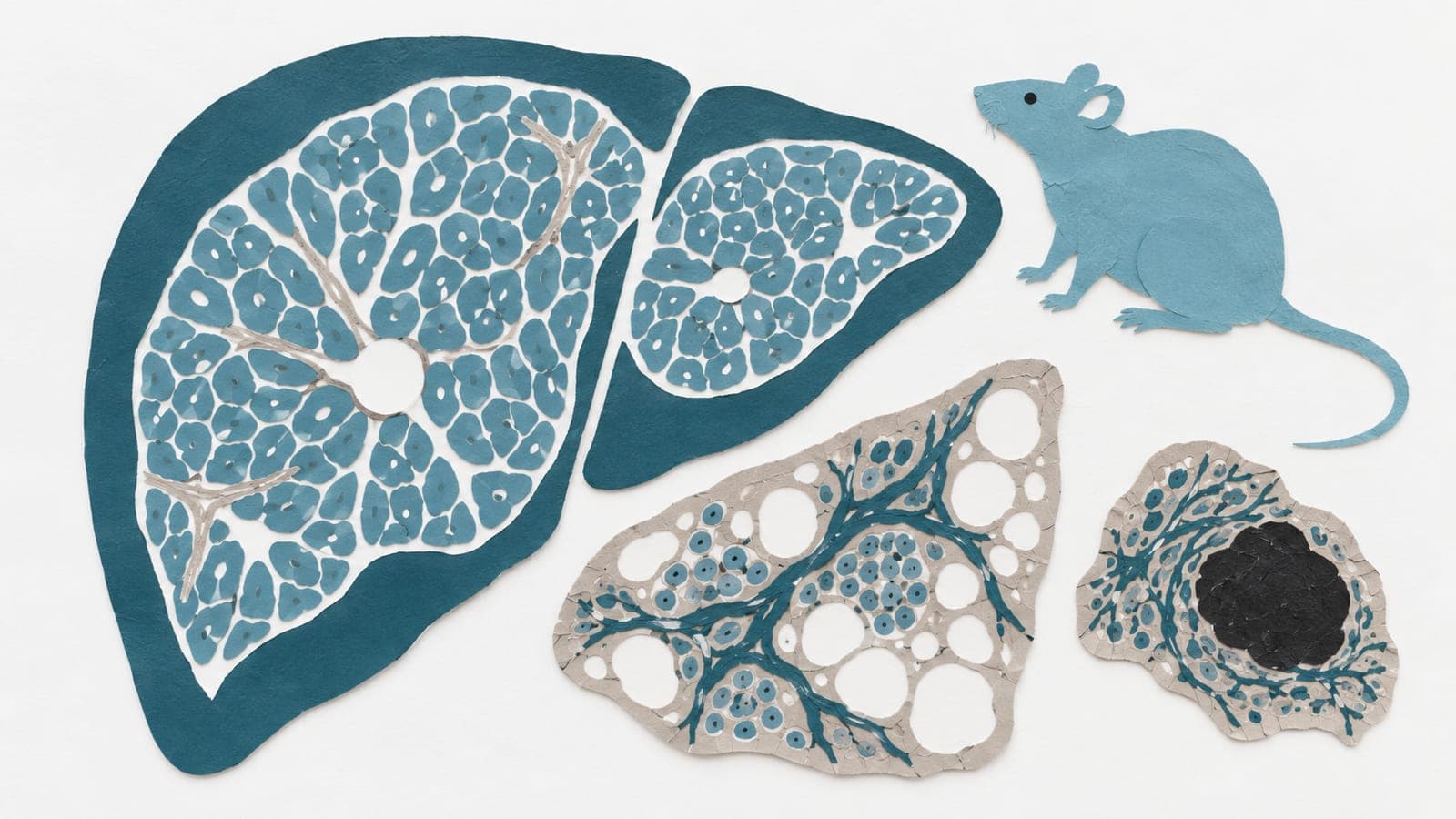
INTRODUCTION: Metabolic dysfunction-associated steatotic liver disease (MASLD) is currently the leading cause of chronic liver disease and hepatocellular carcinoma. The immune response plays a central role in disease onset and progression and is the focus of many experimental studies. However, traditional models typically rely on terminal sampling procedures that require large tissue quantities, a substantial number of animals per experimental condition, and cross-sectional study designs. METHODS: Here, we propose integrating two powerful techniques to longitudinally study a MASLD animal model: image-guided fine-needle aspiration (FNA) and single-cell RNA sequencing (scRNA-seq). RESULTS: This framework enables safe, high-precision longitudinal sampling of a limited number of animals, allowing simultaneous profiling of innate and adaptive immune cells during metabolic dysfunction-associated steatohepatitis (MASH) progression induced by a high-fat, high-cholesterol, and high-fructose diet. We further identified dynamic shifts in the hepatic immune landscape following dietary intervention. CONCLUSION: Our findings support the feasibility of the FNA-scRNA-seq framework as a novel tool for longitudinal immune profiling in preclinical MASLD and MASH studies and highlight its potential to reduce animal use in chronic liver disease research.
The paper
University of Southern California
Frontiers in Medicine, 20 Jul 2026