Immunoglobulin G in aging and cancer
Abstract
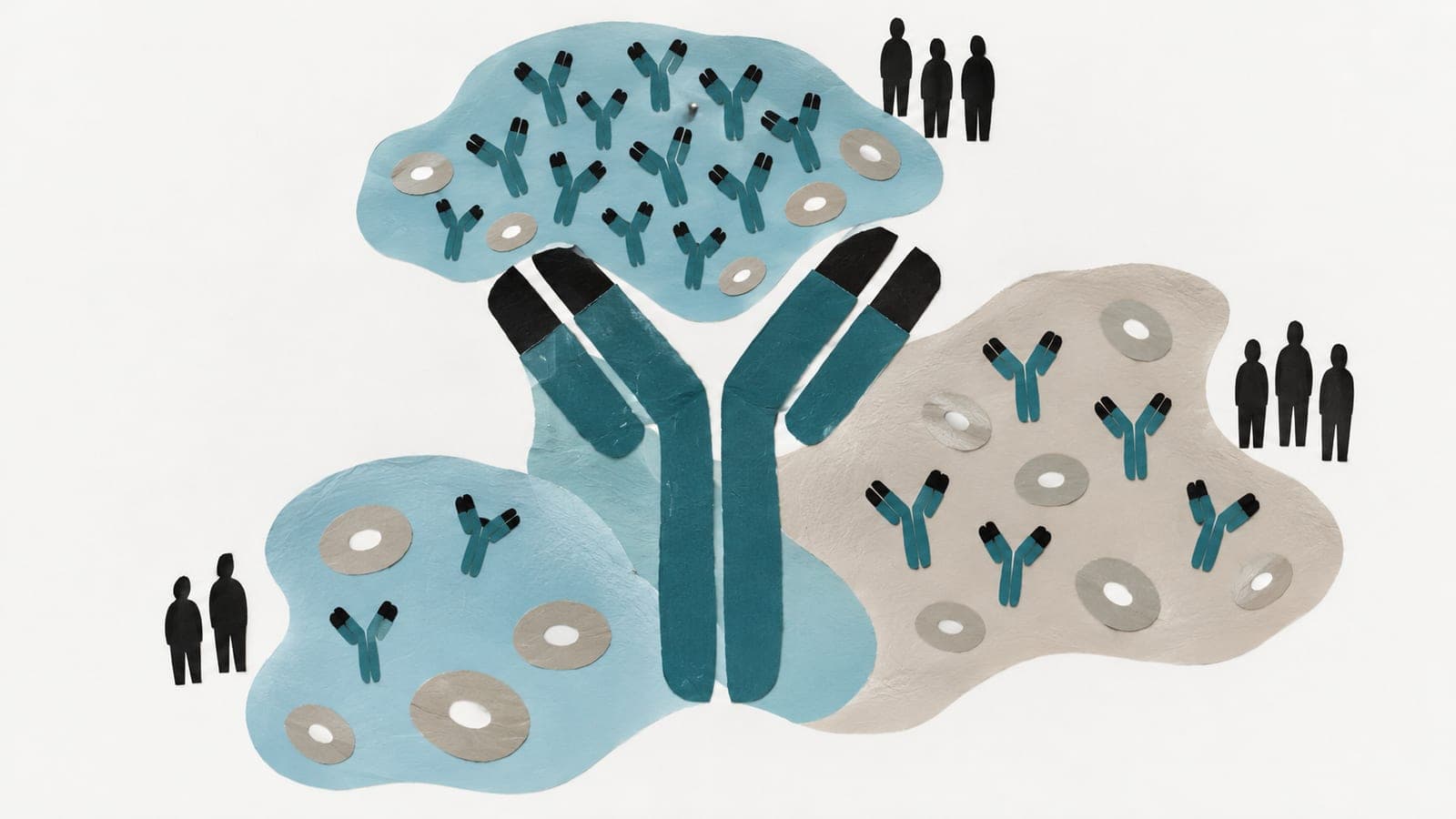
Immunoglobulins are key effector molecules in humoral immunity and play fundamental roles in human health and disease through their complex structure-function relationships. Dysregulation of immunoglobulin production or function underlies numerous conditions, including inflammatory disorders, autoimmune diseases, and metabolic diseases. In the context of cancer, immunoglobulin G (IgG) is frequently enriched within tumor tissue and displays aberrant glycosylation, where it correlates with cancer progression, and its functional impact within the tumor microenvironment is drawing growing interest. Furthermore, recent studies have collectively identified as a novel aging-associated factor involved in multi-organ aging processes. Understanding the role and the mechanisms of immunoglobulins in both physiological and pathological conditions remain a major priority for researchers. Elucidating the underlying pathophysiology and mechanisms of IgG may therefore provide valuable insights for the development of new therapeutic strategies. In this review, we summarize recent progress in the study of IgG in aging and cancer and discuss its potential roles in the future landscape of immunology and biomedical research.
The paper
The Ohio State University; The Ohio State University Comprehensive Cancer Center – Arthur G. James Cancer Hospital and Richard J. Solove Research Institute
Frontiers in Immunology, 3 Jul 2026, Open access