Immune protein linked to frailty in colorectal cancer
An observational study of 100 people with colorectal cancer linked higher blood levels of an immune protein to more severe frailty.
Independent replication
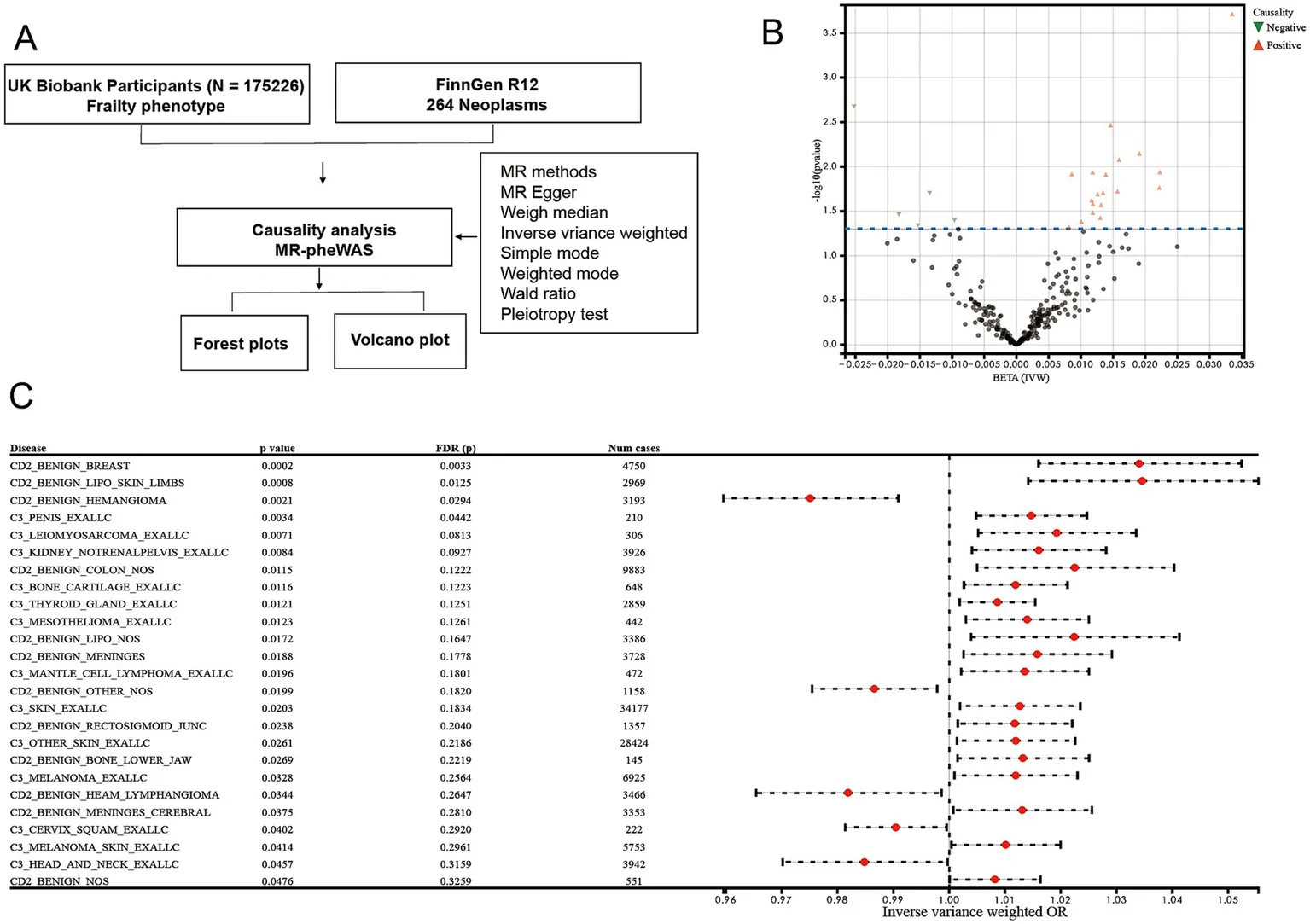
In an observational cohort of 100 people with colorectal cancer, researchers examined links between blood proteins and frailty. They also analysed genetic data covering 264 cancer types. This included Mendelian randomization, a method that uses inherited genetic differences to investigate links between traits. The genetic analyses linked 21 cancer types to frailty. Closer analysis of the top five highlighted shared processes involving stress responses, immunity and the use of nutrients and energy.
In the colorectal cancer cohort, higher blood levels of complement C3, a protein involved in immune defence, were linked to more severe frailty. Higher C3 levels were also linked to lower levels of albumin, another blood protein.
Why it matters
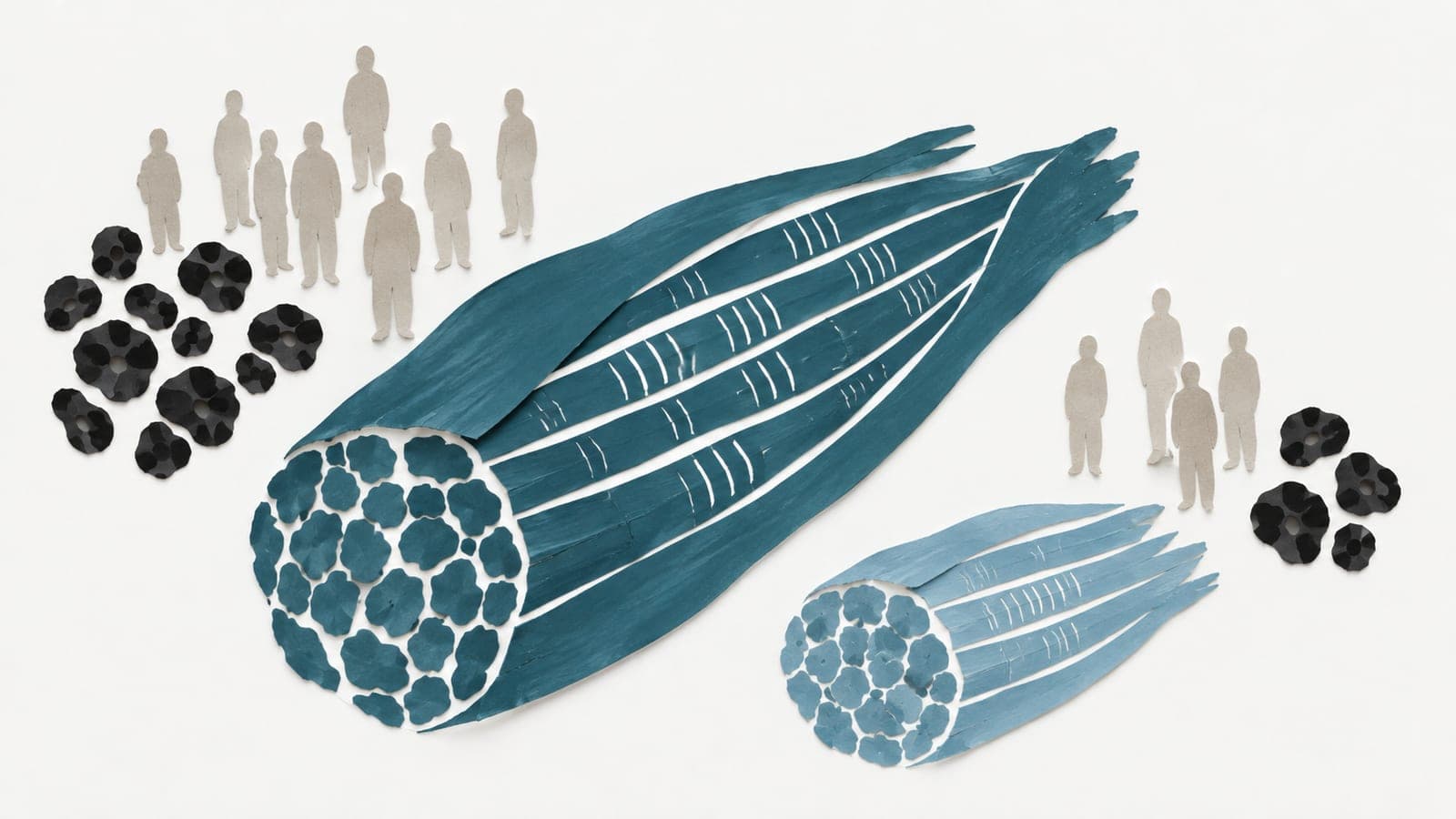
Frailty involves declining muscle mass and function, unintentional weight loss and fatigue. The researchers proposed cancer as an accelerated model for investigating how this age-related syndrome develops.
Caveats
The genetic analyses and observational correlations do not establish that C3 causes frailty or that targeting it would help. The clinical findings came from 100 people with colorectal cancer and may not apply to people without cancer.
The paper
Complement C3 is associated with cancer-induced frailty: genetic and clinical evidence
Shanghai Medical College of Fudan University
Frontiers in Nutrition, 30 Sep 2026, Open access