Exercise modality differentially modulates cognitive function, emotional behavior, and muscle-brain signaling in an aluminum-induced neurodegeneration rat model
Abstract
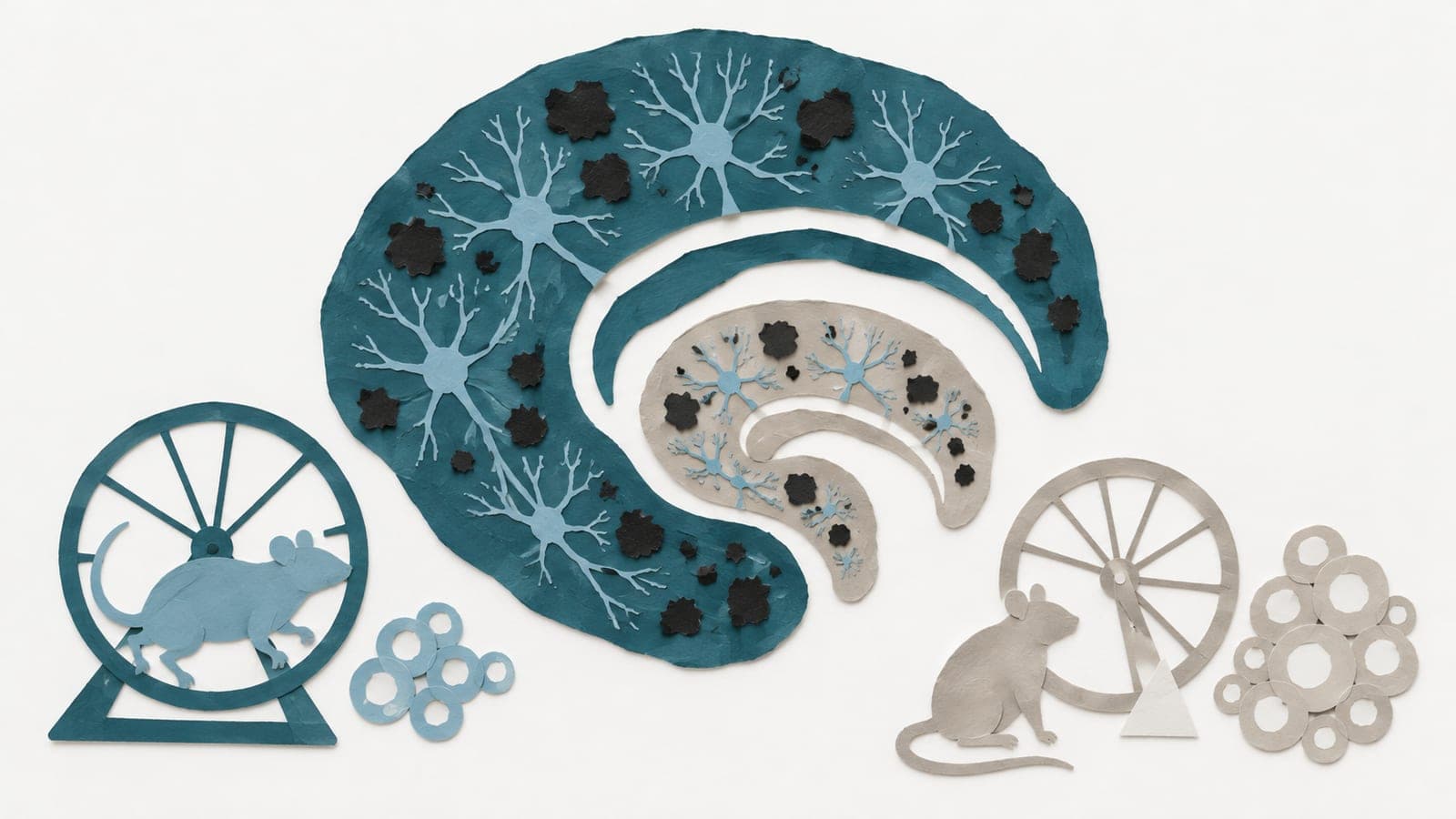
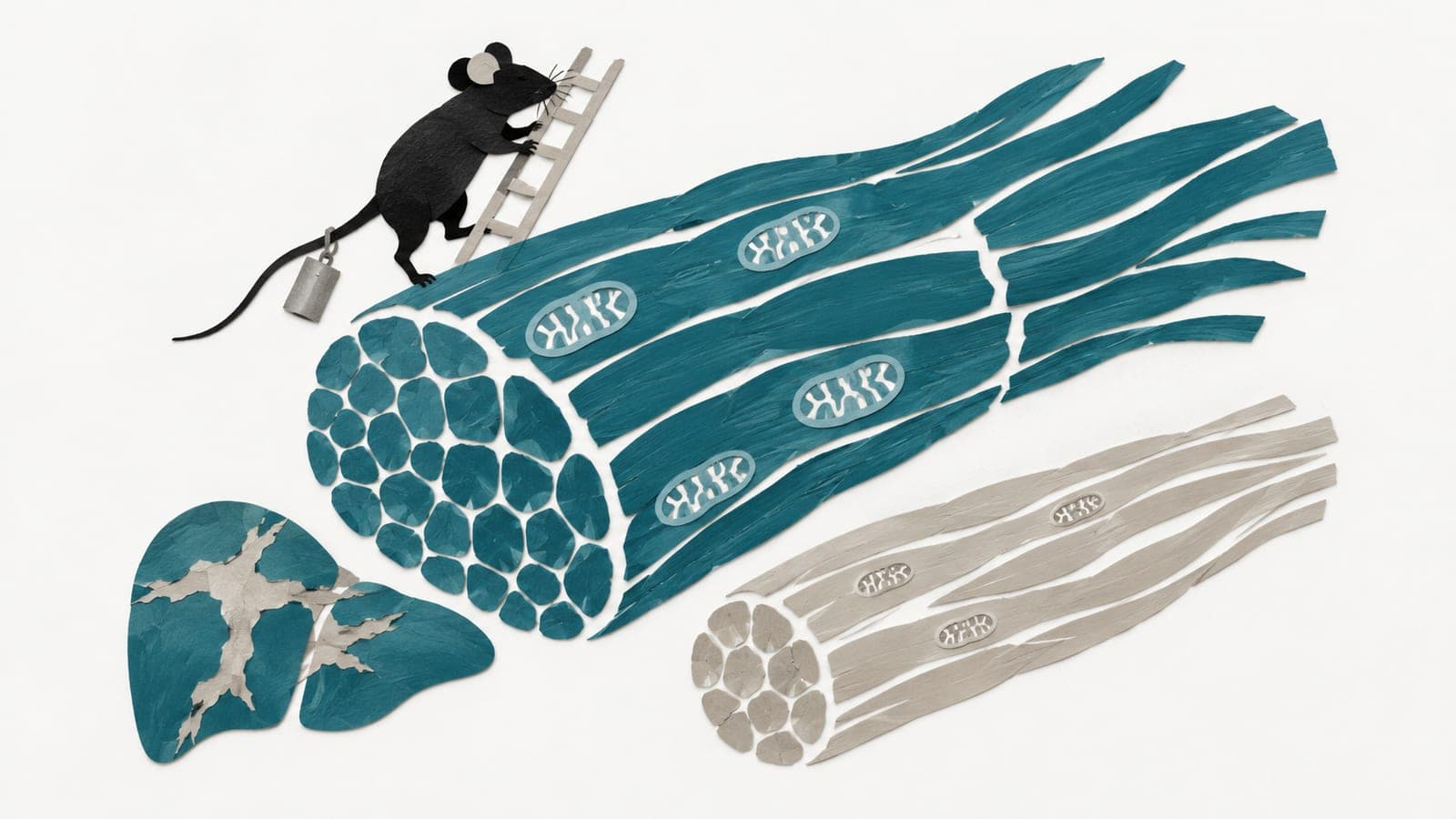
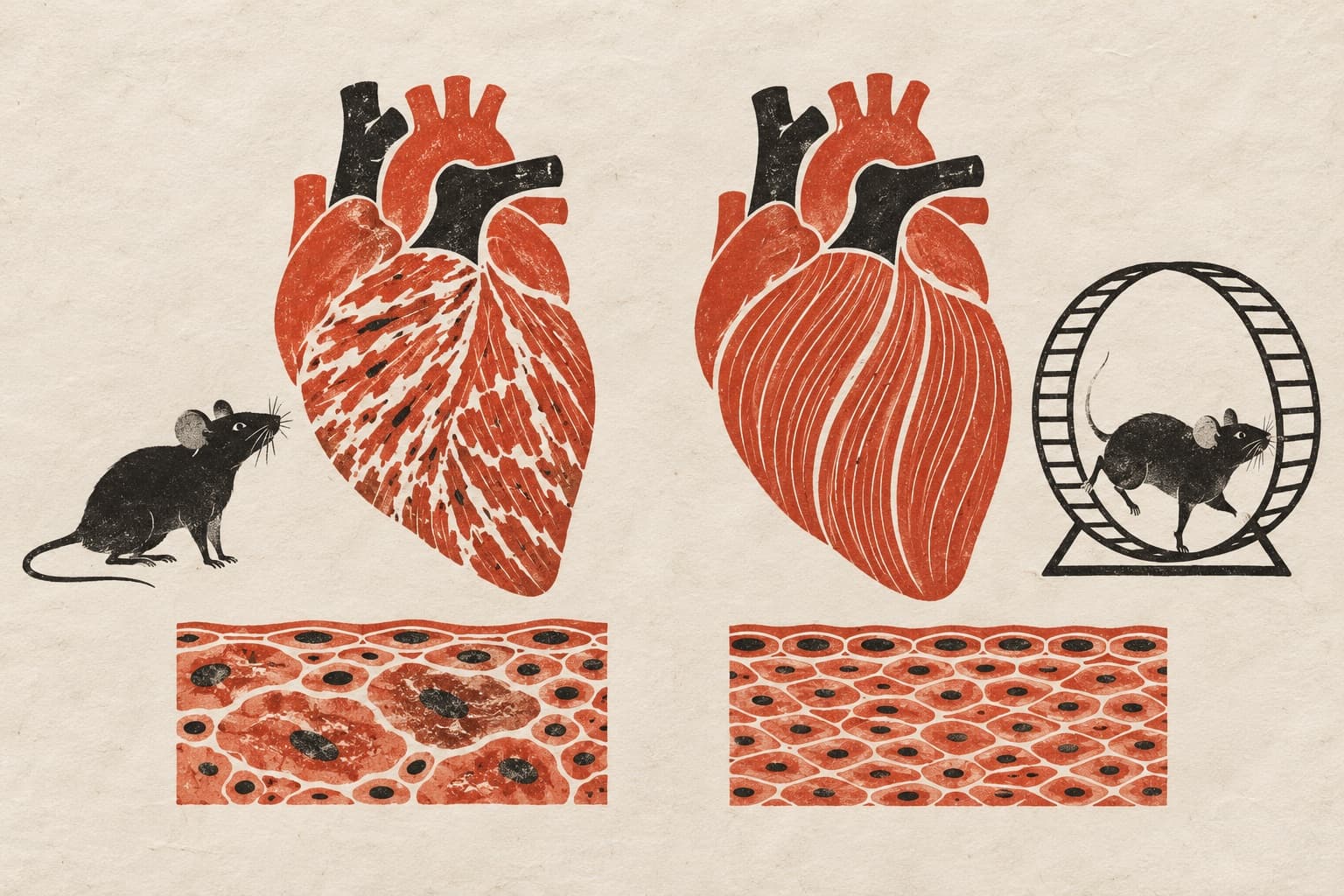
Neurodegenerative disorders are characterized by progressive cognitive decline and neuronal dysfunction driven by oxidative stress, neuroinflammation, and metabolic dysregulation. Exercise is a promising non-pharmacological strategy to mitigate these processes; however, the relative contributions of different exercise modalities to muscle-brain crosstalk remain unclear. This study investigated the effects of aerobic, resistance, and combined exercise on cognitive function, emotional behavior, muscular strength, and circulating biomarkers in a rat model of aluminum-induced neurodegeneration. Male Wistar rats were assigned to control or aluminum chloride (AlCl₃)-treated groups and subsequently to sham, aerobic, resistance, or combined exercise interventions for four weeks. Recognition memory and anxiety-like behavior were assessed using the Novel Object Recognition and Open Field tests, respectively, while muscular strength was measured using a forelimb grip test. Circulating irisin, brain-derived neurotrophic factor (BDNF), and myostatin were analyzed post-intervention. Aluminum exposure impaired recognition memory, increased anxiety-like behavior, and reduced muscular strength. Exercise attenuated these deficits in a modality-dependent manner. Resistance exercise produced the greatest improvements in recognition memory and grip strength. In contrast, aerobic exercise more effectively reduced anxiety-like behavior. The combined exercise improved outcomes across multiple domains. Biomarker responses were modality-specific, with increased irisin following resistance exercise and elevated BDNF following aerobic exercise. These findings highlight distinct roles of exercise modalities in modulating neurobehavioural and molecular responses, supporting muscle-derived signaling as a key mechanism underlying exercise-induced neuroprotection.
The paper
National University of Malaysia
Experimental Gerontology, 21 Jul 2026, Open access