Neonatal hyperoxia promotes macrophage senescence and lung injury via a p38MAPK-dependent secretome
Abstract
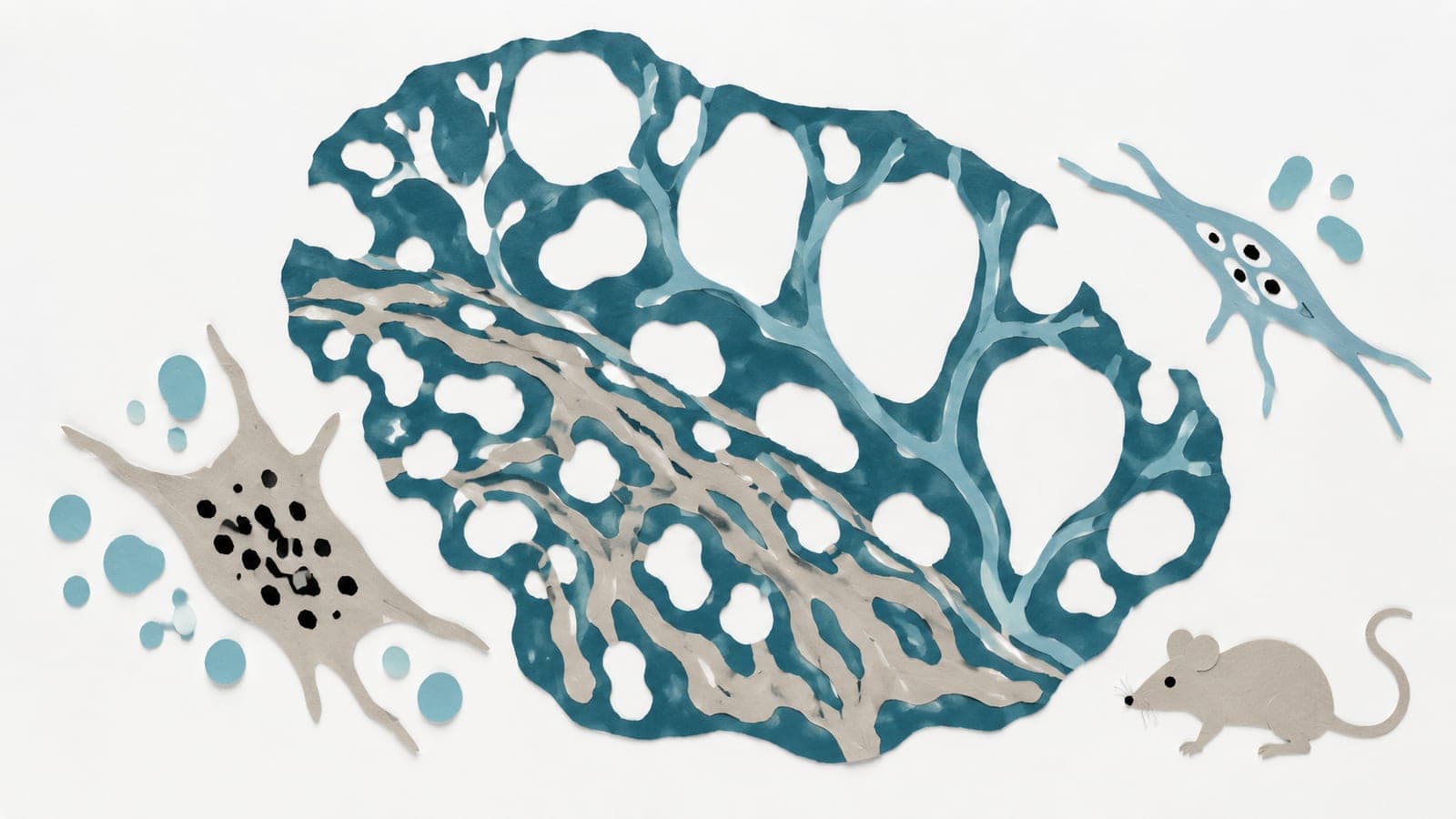
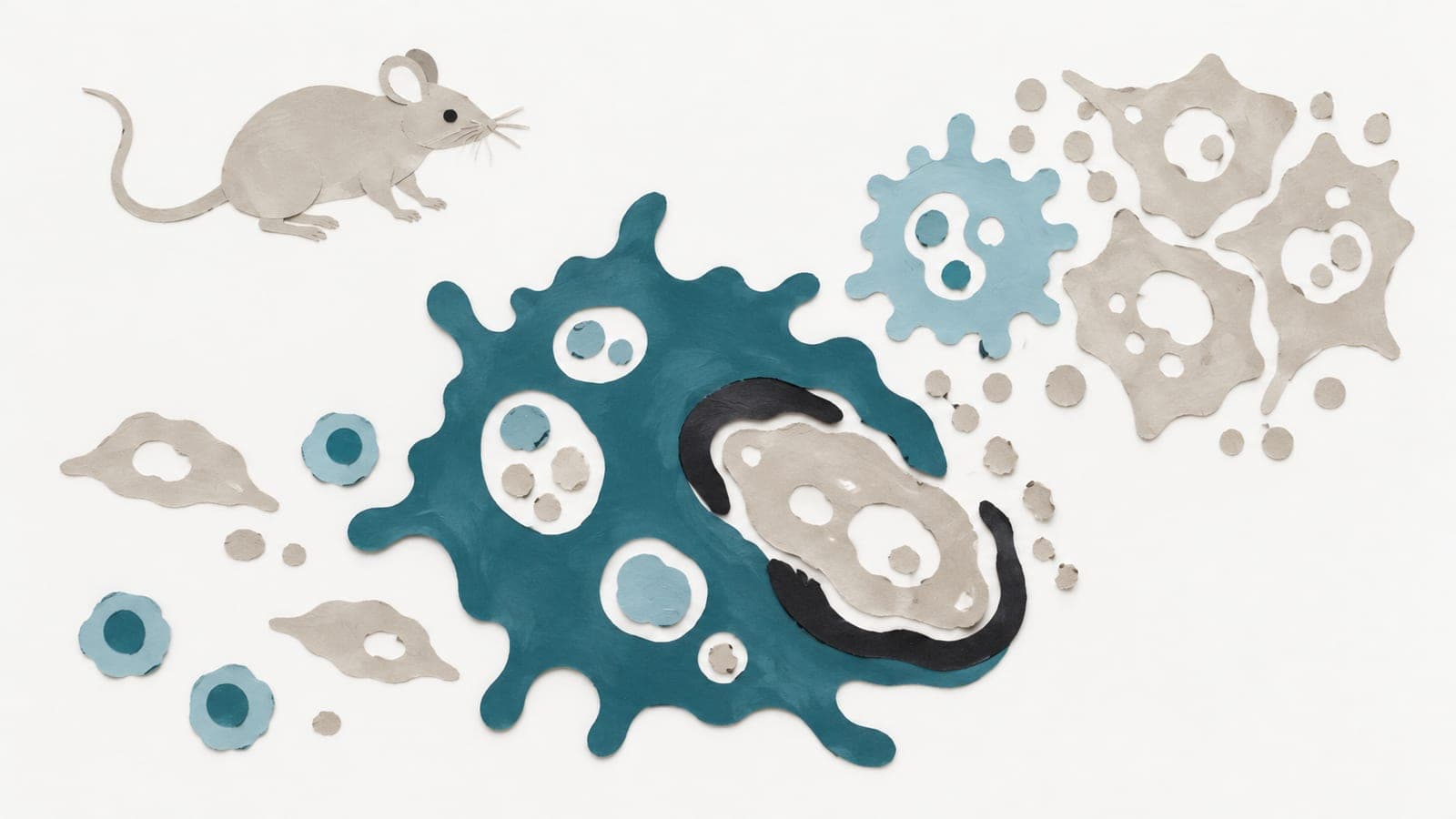
RATIONALE: Bronchopulmonary dysplasia (BPD), a chronic lung disease in premature infants exposed to ventilatory support and hyperoxia, involves alveolar and vascular simplification and is linked to cellular senescence. We previously found senescence predominantly in alveolar macrophages (AMs) after neonatal hyperoxic exposure, but the specific mechanisms driving this and its role in neonatal lung injury remain poorly understood. OBJECTIVES: This study investigated the mechanisms driving hyperoxia-induced AM senescence, the effects of senescence/hyperoxia on AM function and how the resulting secretome contributes to lung injury. METHODS: scRNA-seq datasets from hyperoxia-exposed neonatal mice were used to score AM senescence and characterize senescent/hyperoxia-induced AM clusters. Hyperoxia-induced metabolic shifts were analyzed alongside AM motility and phagocytosis. Proteomics characterized the senescent AM secretome. Finally, the effects of senescent and hyperoxic secretomes on lung injury were assessed with and without p38MAPK inhibition. RESULTS: scRNA-seq analysis confirmed that hyperoxia significantly increases senescence markers in AMs. This induction occurs via increased glycolysis and leads to reduced AM motility and phagocytosis. Proteomics identified p38MAPK-regulated proteins in the AM secretome including upregulated pro-fibrotic factors and downregulated structural regulators. Intranasal administration of senescent and/or hyperoxia-conditioned media caused alveolar and vascular simplification in neonatal mice, which was attenuated by p38MAPK inhibition. CONCLUSIONS: Hyperoxia causes glycolytic reprogramming in AMs, increasing senescence markers and impairing function. This also leads to a secretome that drives lung injury. Inhibiting macrophage glycolysis and p38MAPK pathways represent novel, promising therapeutic approaches to prevent lung injury.
- Senescent and/or hyperoxia-conditioned media
- Cellular senescence
- Glycolysis
- Lung injury
- Senescence markers
- Mice
The paper
Brown University
American Journal of Respiratory Cell and Molecular Biology, 17 Jul 2026