Lower gut sugar linked to aging measures in people with HIV
An observational study of 25 people with treated HIV and 22 without HIV linked lower intestinal fucose to altered gut bacteria and aging measures.
Our read
Mechanisms- Studied:
- Preprint: cross-sectional study of people with treated HIV and controls
- What changed:
- Lower intestinal fucose tracked with faster biological aging measured using DNA-based clocks
- The catch:
- Inflammation or aging changes could precede lower fucose, reversing the presumed direction
- In the record:
- One of 9 papers on 2'-fucosyllactose on record: 4 with results in people, 3 in animals.
Editor of record: Boris Djordjevic · AgingResearch.News
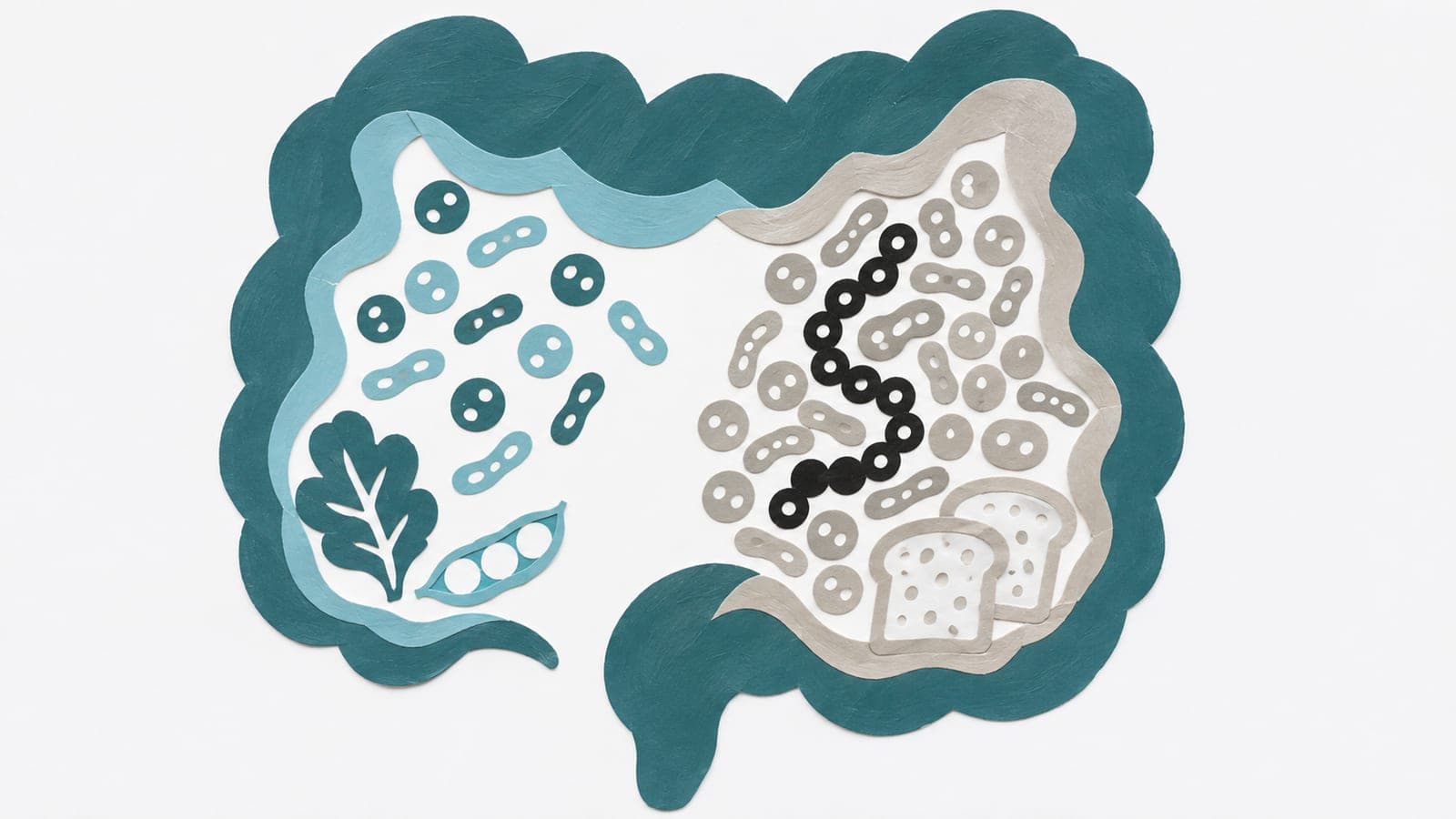
Twenty-five people with HIV taking HIV medication and 22 people without HIV provided intestinal biopsies, stool and blood for an observational study. People with HIV had less intestinal α1,2-fucose, a form of sugar that supports gut bacteria. Their tissues also showed greater gene activity for a fucose-degrading enzyme linked to senescence, a state in which cells stop dividing. Lower fucose was associated with fewer bacteria that make short-chain fatty acids, substances that support the gut barrier. It also tracked with inflammation and accelerated biological aging assessed with DNA-based clocks.
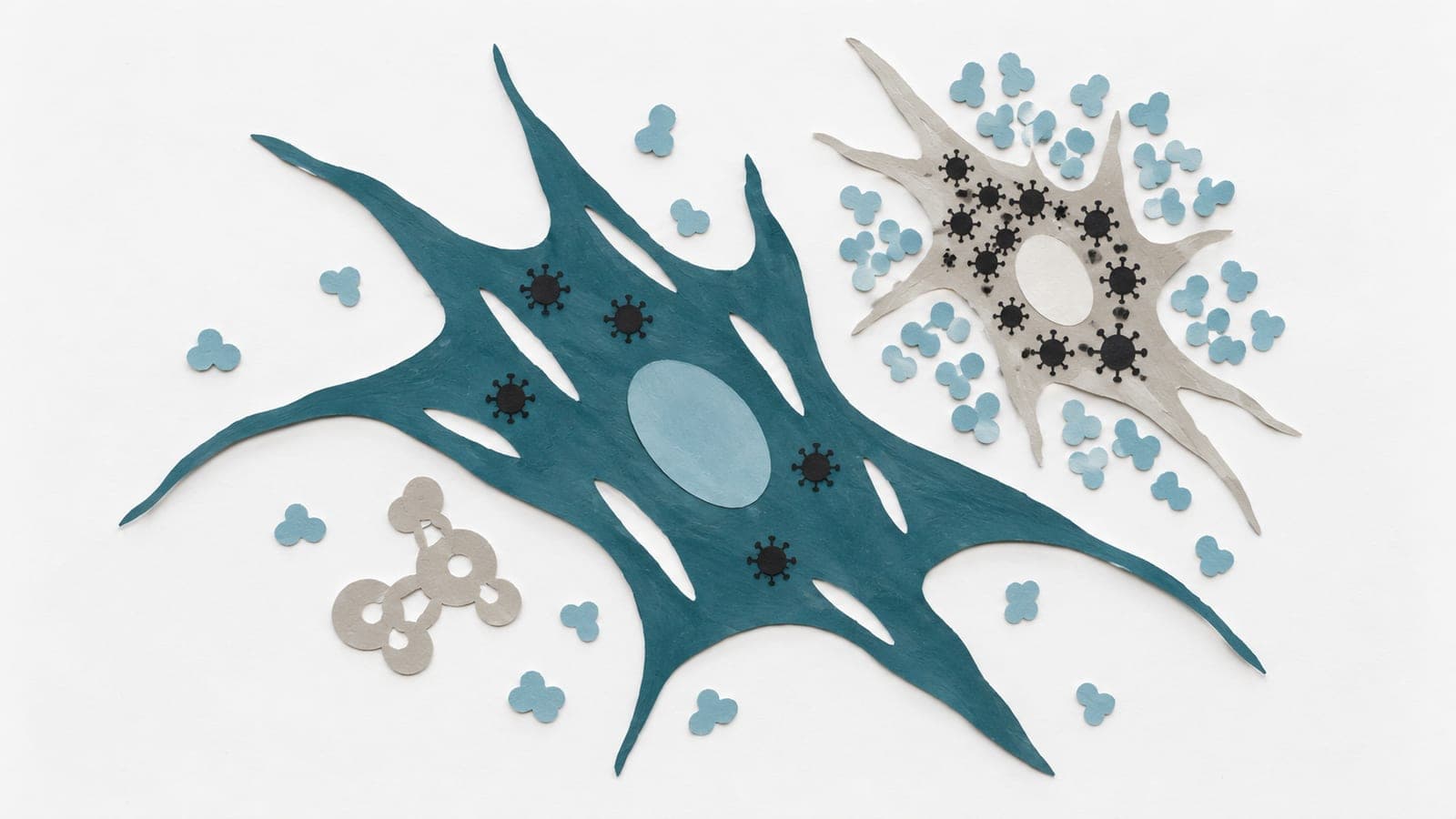
In lab experiments, stool from people with HIV produced fewer short-chain fatty acids than control stool. Adding 2′-fucosyllactose, a sugar that supplies fucose, restored production. Fermentation products made with this supplement also improved resistance to stress damage in colon organoids, miniature intestinal models grown in the lab.
Why it matters
Persistent gut disruption in treated HIV contributes to chronic inflammation and aging-associated illnesses. The work points to a potentially modifiable target for restoring the partnership between intestinal cells and gut bacteria.
Caveats
The human comparisons did not determine whether lower fucose preceded inflammation or changes in aging measures, and excluded people with celiac disease or specialized diets. Supplementation was tested in stool fermentations and organoids, not people; the preprint has not been peer-reviewed.
The paper
Northwestern University
bioRxiv, Jul 10, 2026, Open access, Preprint, not yet peer-reviewed
Comments
Be the first to comment.