Prenatal exposure to environmental toxicants and their association with alterations in kidney development
Abstract
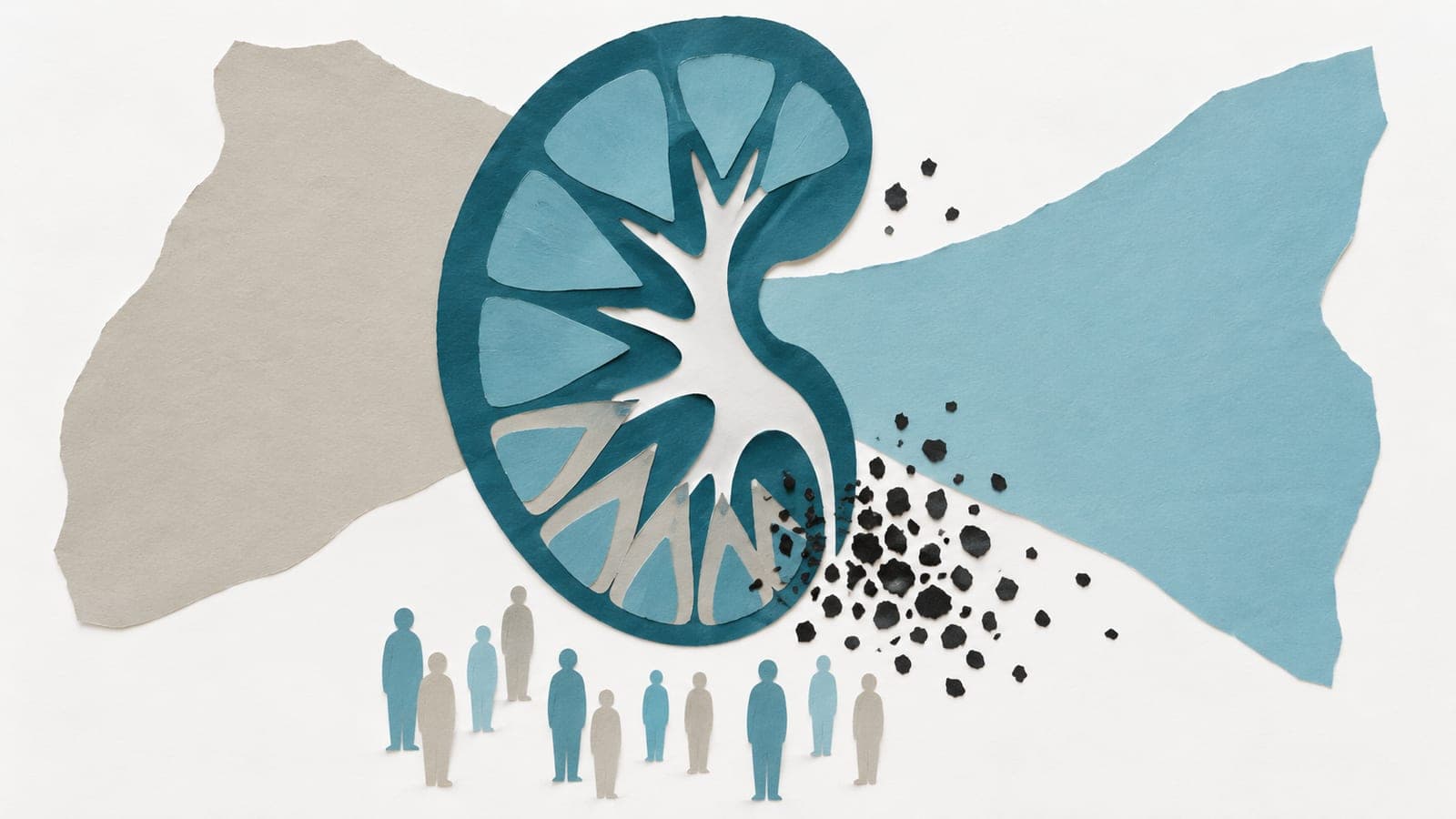
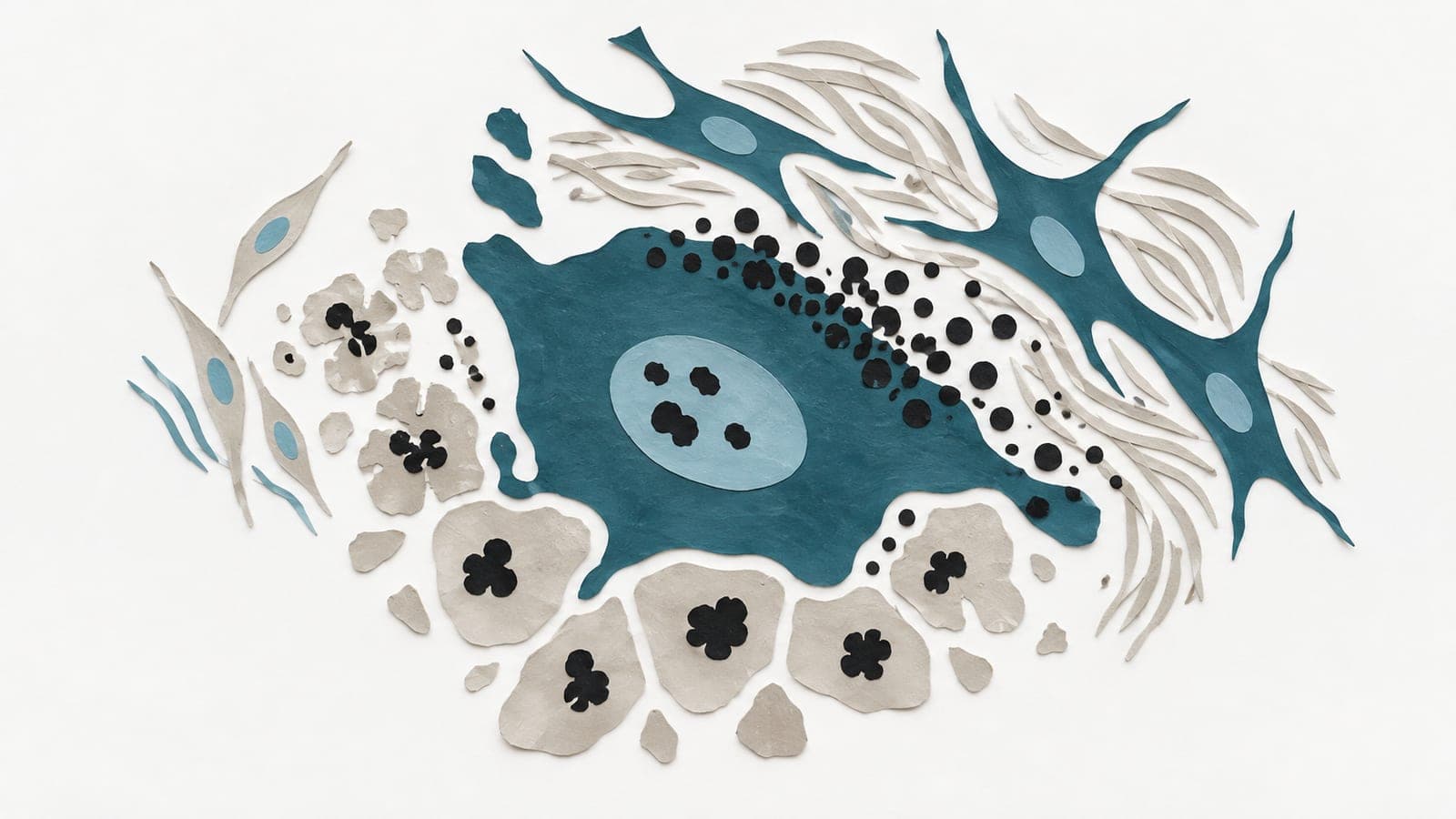
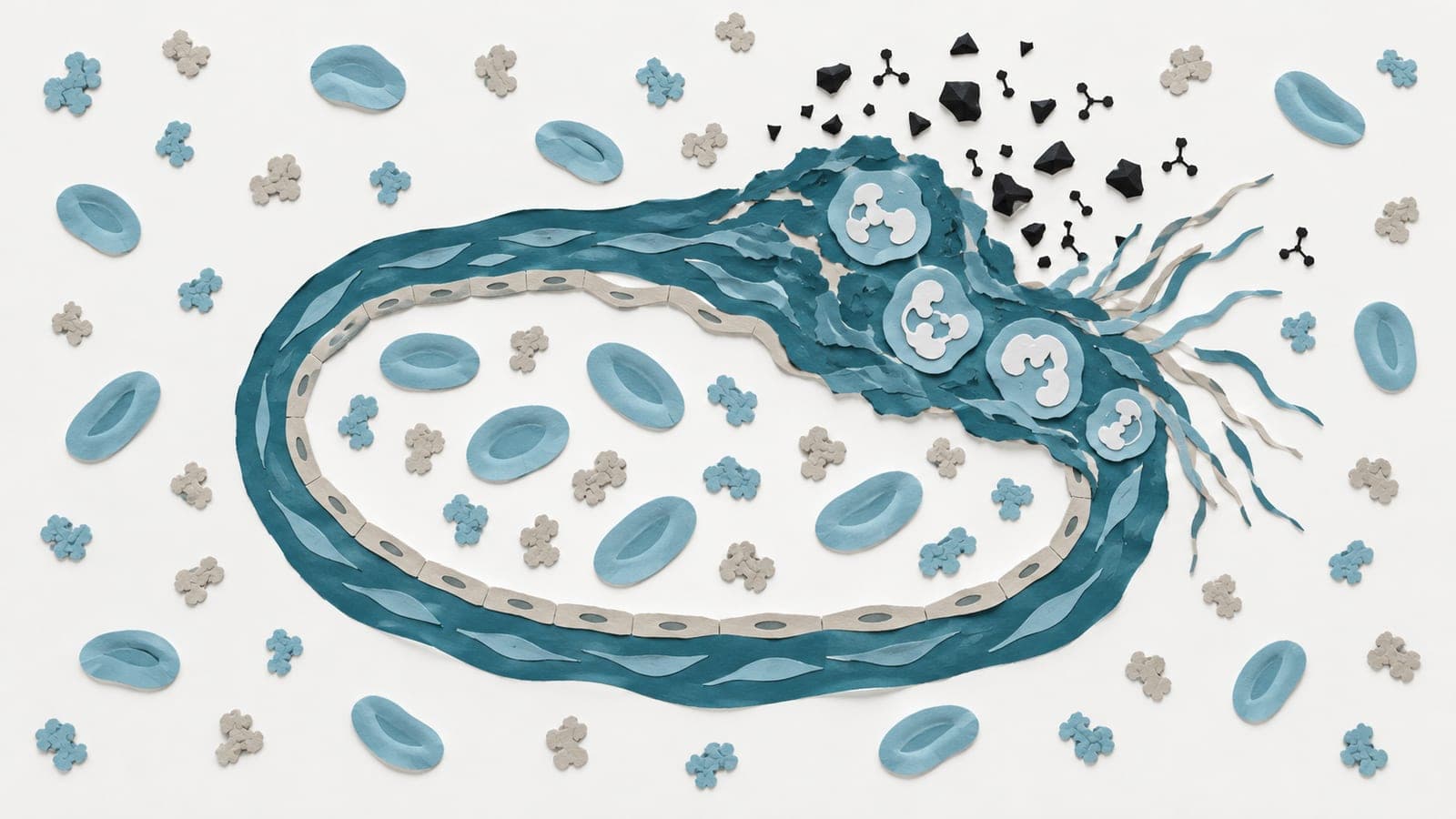
Chronic kidney disease (CKD) is a global public health problem whose susceptibility may originate during prenatal development. According to the developmental origins theory of health and disease, alterations during gestation can permanently affect kidney structure and function. The kidney is especially vulnerable during this period, as nephrogenesis occurs -exclusively before birth and determines the total nephron endowment. This review summarizes the epidemiological and experimental evidence linking prenatal exposure to environmental pollutants with alterations in kidney development. Heavy metals and metalloids, persistent organic pollutants, inorganic pollutants, air pollution, and mixed exposures are discussed. Most human studies of observational design show consistent associations between prenatal exposure and surrogate outcomes, such as lower kidney volume at birth, while experimental models demonstrate direct effects on nephrogenesis. The mechanisms implicated include oxidative stress, chronic inflammation, mitochondrial dysfunction, and epigenetic modifications, all of which interfere with critical pathways of kidney development during sensitive gestational windows. Although methodological heterogeneity limits causal inference, the consistency between epidemiological and experimental evidence supports the biological relevance of these associations and underscores the need for preventive strategies and longitudinal studies that address prenatal exposure as an early determinant of CKD risk.
The paper
Autonomous University of Aguascalientes
Journal of Nephrology, 8 Jul 2026