Hypertension among Guatemalan women: the role of food insecurity and overweight/obesity
Abstract
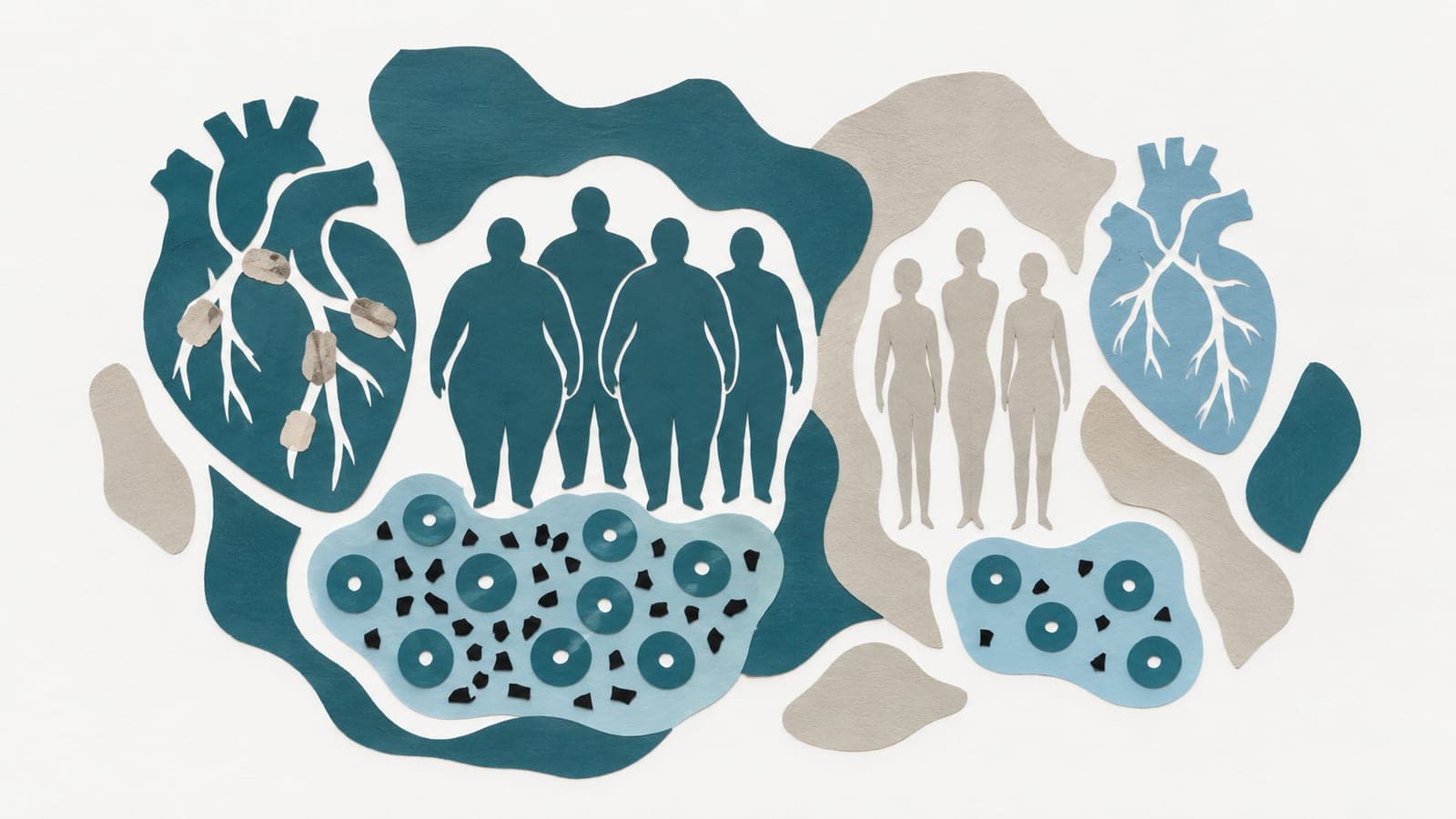
INTRODUCTION: Food insecurity (FI) and obesity are associated with cardiovascular risk markers such as hypertension, yet it remains unclear whether their coexistence increases hypertension risk beyond their independent contributions. We hypothesized that women experiencing both FI and OWT/OB ('coexisting burden') would have higher odds of hypertension, compared to those experiencing only OWT/OB, only FI, or neither. We aimed to examine the association of FI and overweight/obesity (OWT/OB) with hypertension and systolic blood pressure (SBP) among Guatemalan women of reproductive age (15-49 years). MATERIALS AND METHODS: Data came from 1,538 women in Guatemala's nationally representative 2018-2019 Health and Nutrition Epidemiological Surveillance System Survey (SIVESNU). A four-category exposure combined binary FI (assessed using the 8-item Food Insecurity Experience Scale) and OWT/OB status. SBP was measured and hypertension categorized using standard criteria. Multinomial logistic and linear regressions assessed associations with hypertension status and SBP, adjusting for covariates. RESULTS: Participants had a mean age of 30 years; 76% experienced FI, 60% OWT/OB, 44% had both ('coexisting burden'), and 32% had hypertension. Contrary to our hypothesis, associations were stronger among women with only OWT/OB (OR = 2.69, 95% CI: 1.44-5.02) than among those with coexisting burden (OR = 1.83, 95% CI: 1.01-3.31), compared to women with neither condition. No associations were found with pre-hypertension. CONCLUSION: Overall, OWT/OB, with or without FI, was associated with higher odds of hypertension, underscoring the need for community- and person-level interventions supporting healthier body weight.
The paper
Institute of Nutrition of Central America and Panama; Drexel University
Frontiers in Nutrition, 16 Jun 2026, Open access