Childhood housing aid linked to lower diabetes and hypertension risk
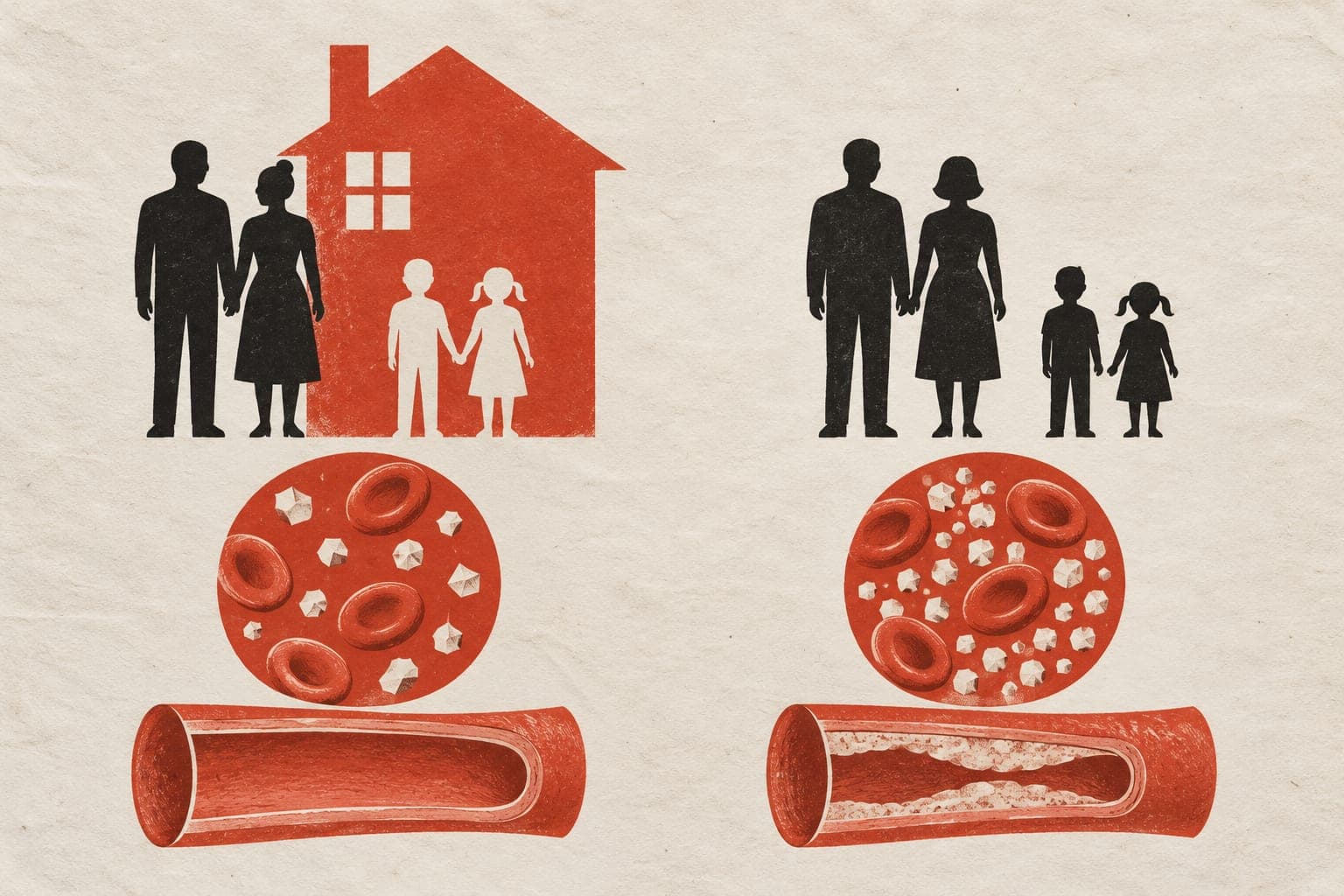
Five or more years of childhood assistance was associated with 69 percent lower adult diabetes risk and 39 percent lower hypertension risk than no childhood assistance.
Health Affairs
Researchers studied children whose families received housing assistance and similar children whose families did not, using Panel Study of Income Dynamics data from 1970–2021. They matched the groups and tracked participants from preconception to middle adulthood, assessing adult obesity, diabetes and hypertension.
Compared with no childhood housing assistance, receiving assistance for five years or more was associated with a 69 percent lower risk of adult diabetes and a 39 percent lower risk of hypertension. First receiving assistance between preconception and infancy was associated with a 67 percent lower risk of adult diabetes and a 41 percent lower risk of hypertension.
Why it matters
The findings suggest that childhood housing circumstances may be linked to cardiometabolic health decades later. Housing assistance deserves further consideration as a possible policy approach to diabetes and hypertension in the US.
Caveats
This observational study cannot establish that housing assistance caused the lower disease risks, even after matching children from recipient and nonrecipient families. The abstract does not report the obesity result.
The paper
Show 4 more authors
Matt Hall, Donna Ginther, Jordan A Carlson, Narayan Sastry,Jeffrey D. Colvin Children's Mercy Hospital · Kaiser Permanente Bernard J. Tyson School of Medicine
Health Affairs · 1 Oct 2026