Impact of Combined Frailty and Sarcopenia on Postoperative Outcomes and Survival in Elderly Gastric Cancer Patients Undergoing Gastrectomy
Dose-response
Abstract
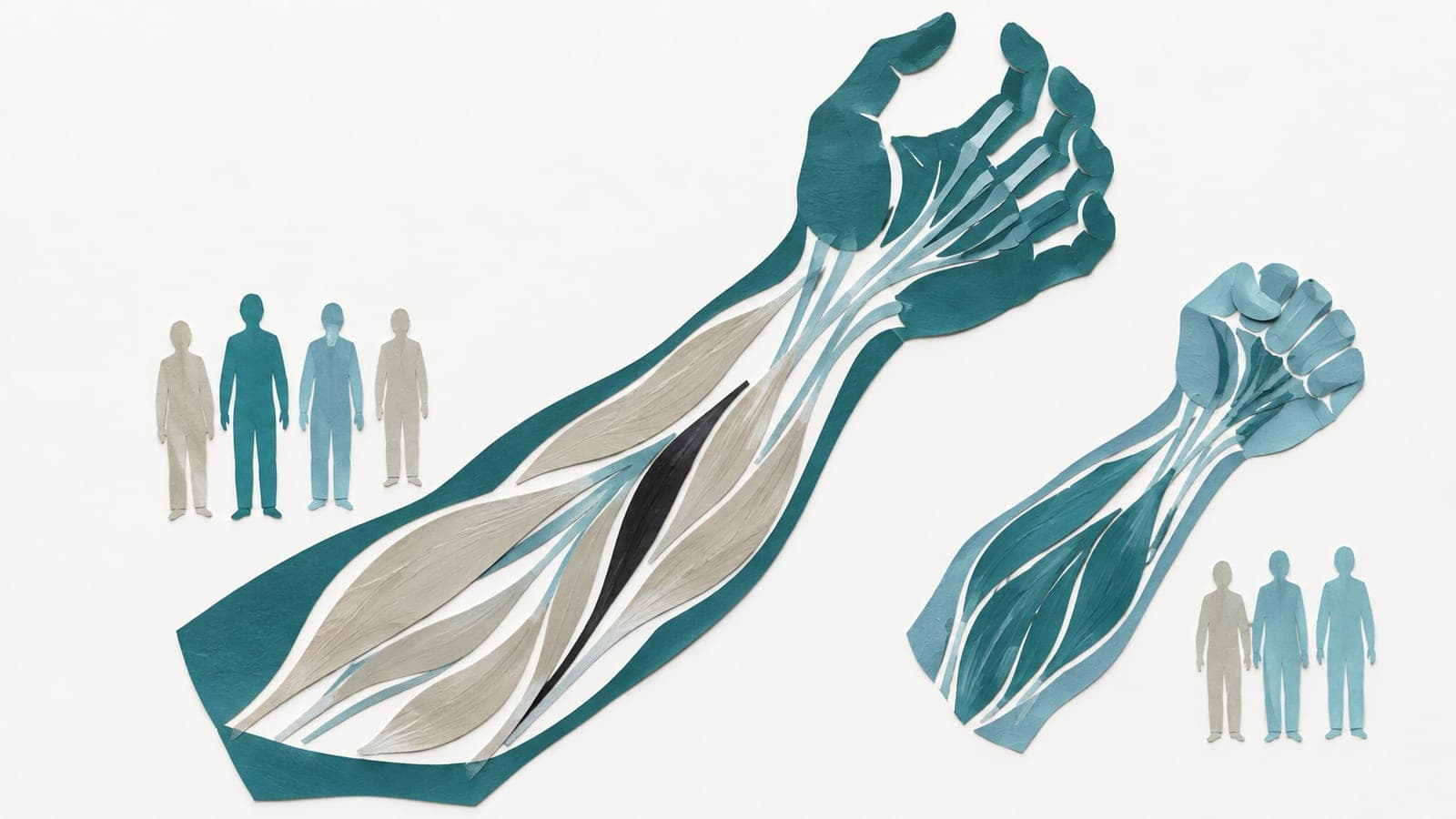
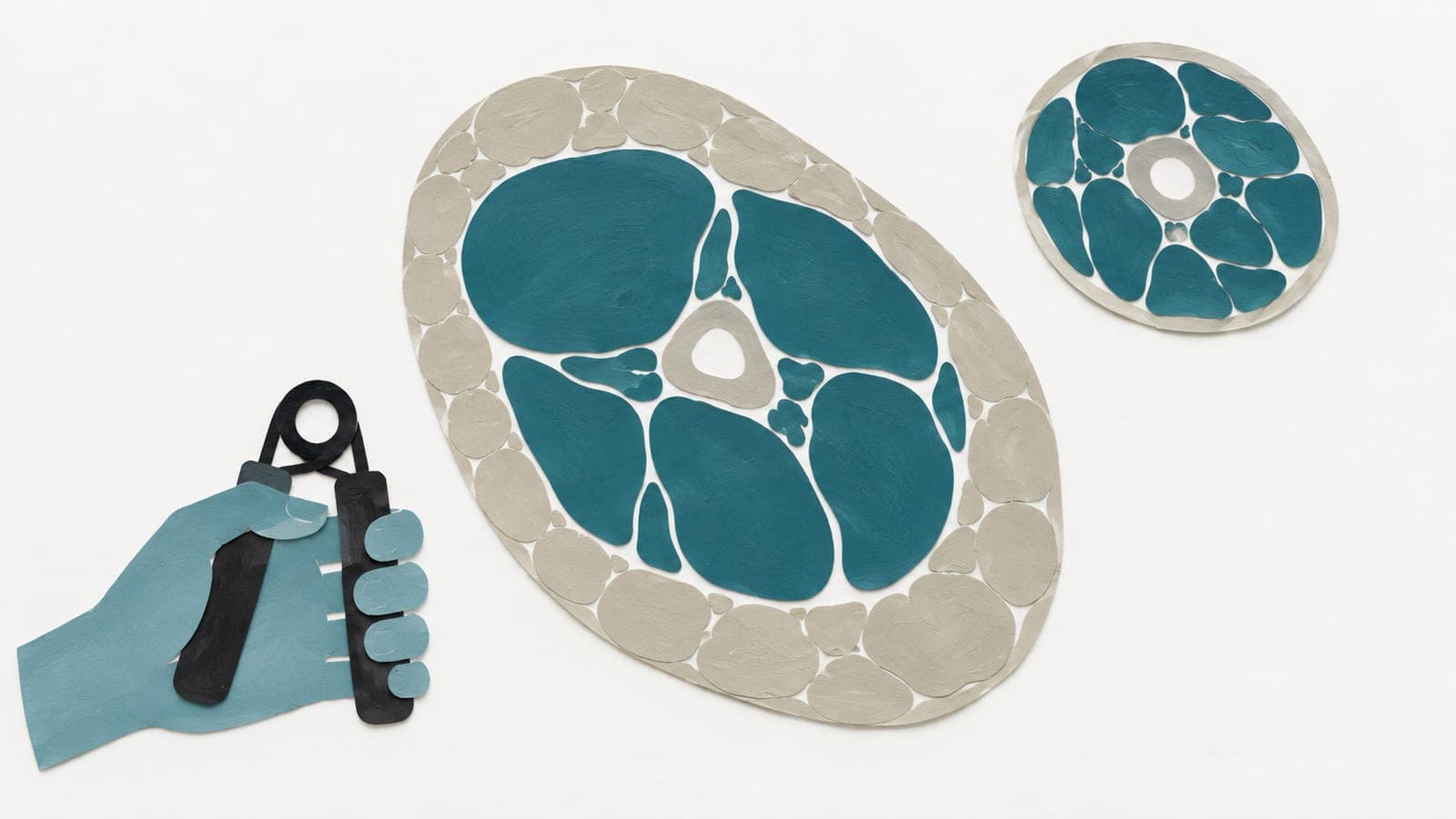
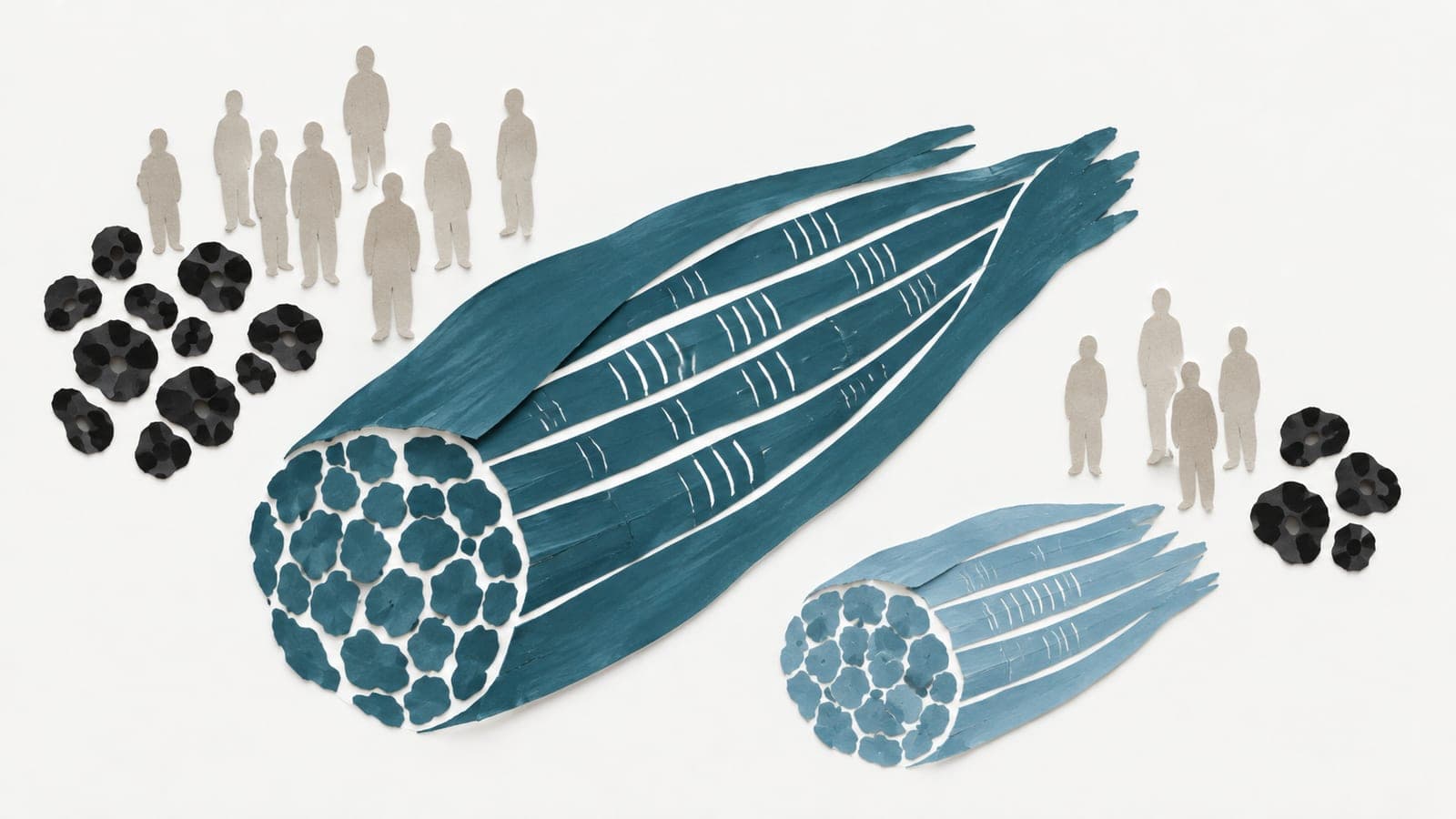
PURPOSE: Frailty and sarcopenia are associated with adverse postoperative outcomes in elderly patients undergoing gastrectomy for gastric cancer. However, large-scale evidence remains limited. This study aimed to investigate the associations of frailty and sarcopenia with postoperative outcomes and long-term survival in this population. MATERIALS AND METHODS: This retrospective study included patients aged ≥70 years who underwent gastrectomy for gastric cancer between December 2011 and May 2021 and had preoperative comprehensive geriatric assessment and abdominal computed tomography. Frailty was defined as a multidimensional frailty score >6, and sarcopenia was defined as the L3 skeletal muscle index in the lowest tertile for each sex. The patients were categorized as non-frail/non-sarcopenic (NF/NS), frail or sarcopenic (F or S), or frail and sarcopenic (F/S). RESULTS: A total of 508 patients (mean age, 77.6±4.6 years; 64.0% male) were analyzed. Eighty-two patients (16.1%) experienced Clavien-Dindo grade ≥II complications within 30 days. In multivariable logistic regression analysis, the F/S group was an independent predictor of postoperative complications (odds ratio, 2.73; 95% confidence interval [CI], 1.07-6.98; P=0.036). In multivariable Cox regression analysis, both the F or S and F/S groups showed significantly worse overall survival (hazard ratio [HR], 2.17 and 3.11, respectively; both P<0.001). The F/S group showed significantly worse cancer-specific survival (HR, 2.46; 95% CI, 1.02-5.93; P=0.046). CONCLUSIONS: Combined frailty and sarcopenia were independently associated with worse postoperative outcomes and survival in elderly patients with gastric cancer. Either condition alone was also associated with worse overall survival, suggesting a dose-response relationship and highlighting the importance of comprehensive geriatric assessment.
The paper
Seoul National University
Journal of Gastric Cancer, 1 Jul 2026, Open access