CD38-driven NAD⁺ depletion governs crypt structure and barrier dysfunction in fluorouracil-induced colonic mucositis: From metabolic collapse to architectural remodeling
Abstract
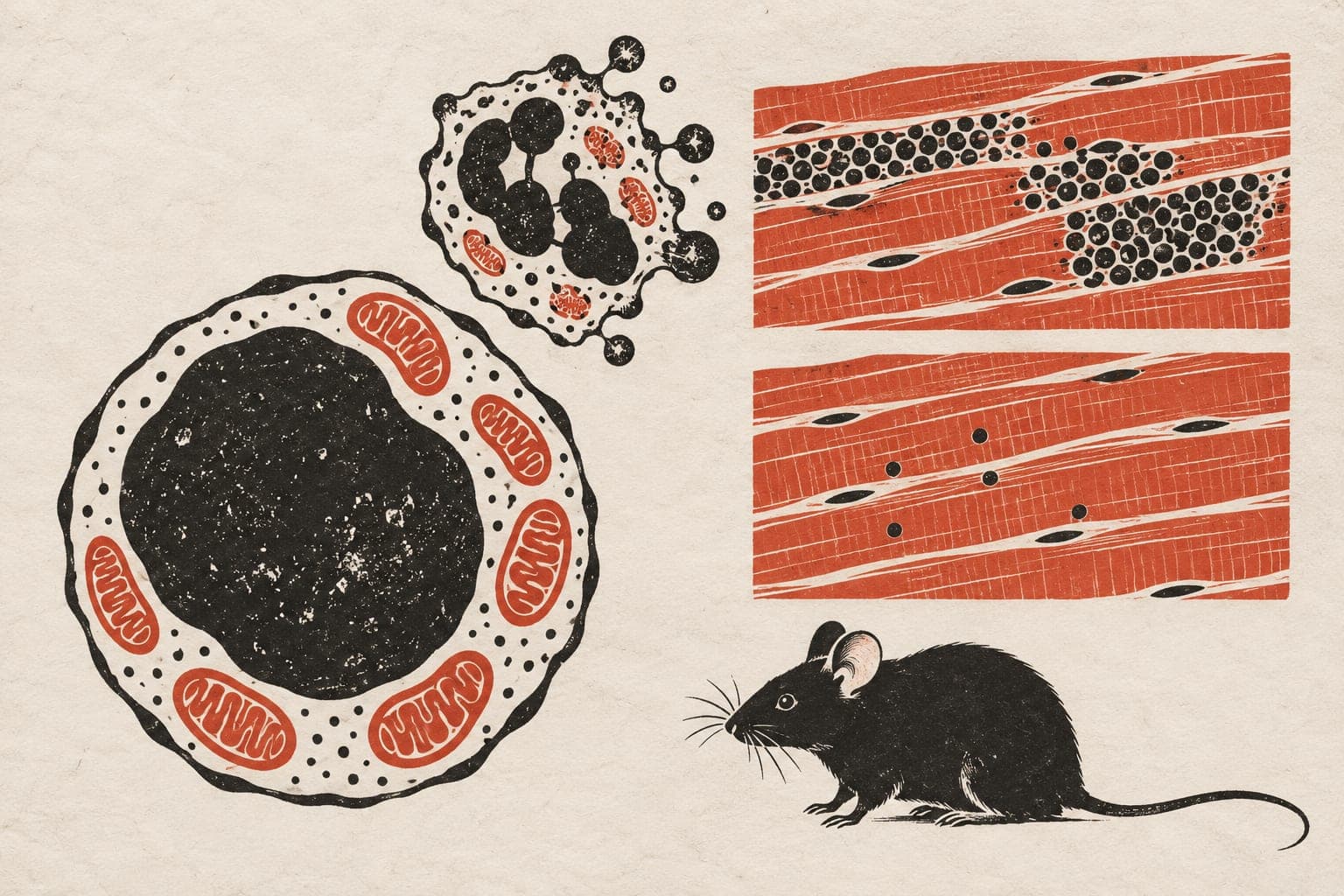
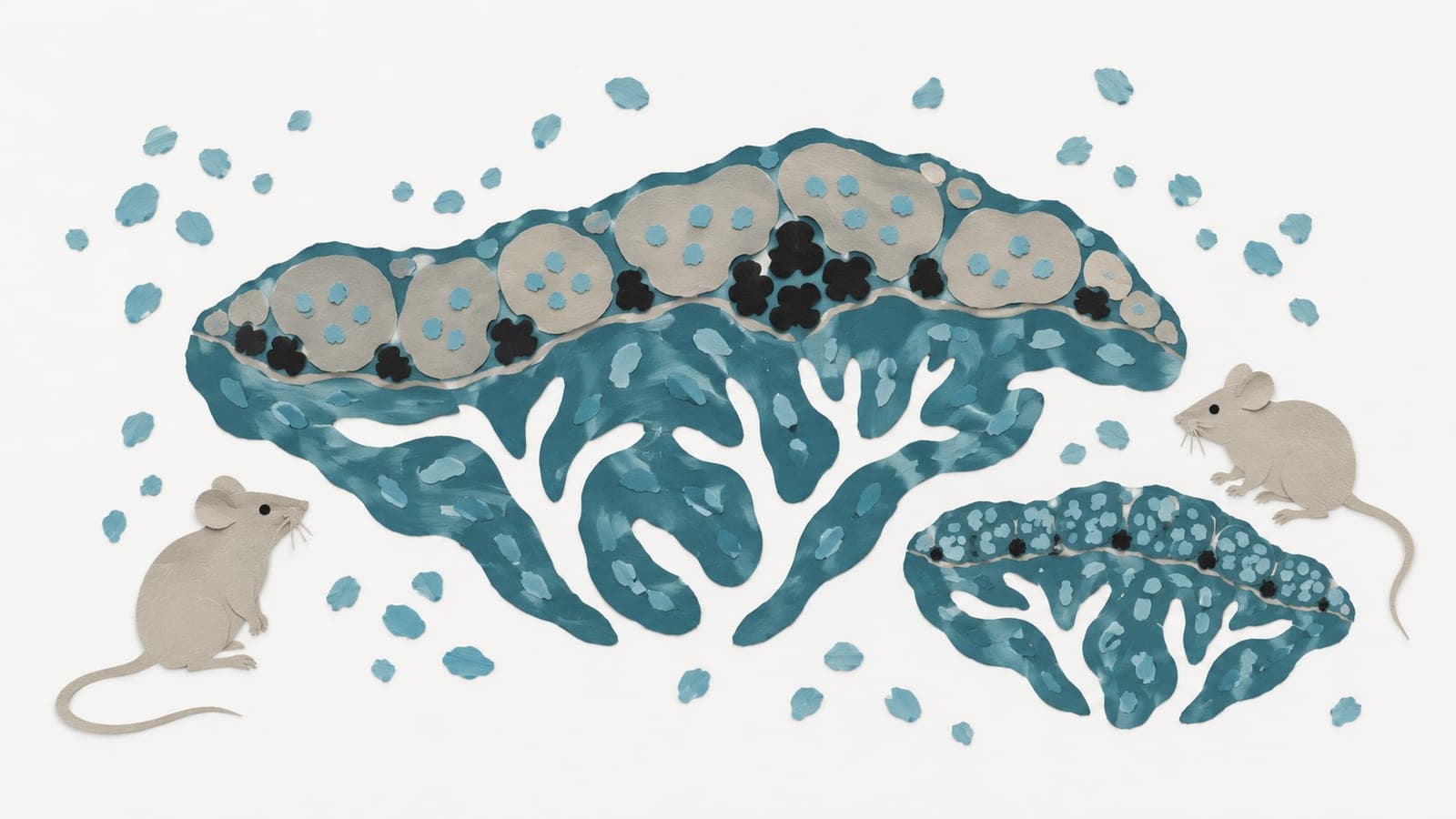
5-fluorouracil (5-FU)-induced colonic mucositis is characterized by epithelial injury, crypt architectural disruption, inflammatory infiltration, oxidative stress, and loss of barrier integrity. The metabolic determinants that regulate epithelial resilience and architectural recovery remain incompletely defined, although 5-FU exposure reproducibly induces these structural lesions. Nicotinamide adenine dinucleotide (NAD⁺) supports epithelial energy balance and redox homeostasis, while accelerated NAD⁺ consumption may amplify tissue injury during toxic stress. CD38 is a principal NAD⁺ hydrolase; yet, its contribution to mucosal structural injury and barrier failure has not been fully elucidated. Herein, we tested whether pharmacological inhibition of CD38 using the small-molecule CD38 inhibitor 78c preserves colonic tissue architecture in a mouse 5-FU-induced mucositis model. We also evaluated the requirement for NAD⁺ biosynthesis. 5-FU produced prominent histopathological injury marked by epithelial damage/apoptosis, crypt disorganization, inflammatory-cell infiltration, oxidative-injury, and disrupted tight junctions with barrier dysfunction. CD38 inhibition mitigated these abnormalities to preserve crypt-architecture and epithelial continuity. As a result, inflammatory infiltration, oxidative stress, and apoptotic signaling were attenuated, with concurrent restoration of tight junction integrity and intestinal barrier function. Protection was associated with significant improvement in colonic NAD⁺ levels and the NAD⁺/NADH balance, increased SIRT1 activity, reduced PARP activation, and activation of Nrf2-linked stress response. Markedly, inhibition of NAD⁺ biosynthesis with a NAMPT inhibitor abrogated the structural and barrier-protective effects of CD38 inhibition across histological, biochemical, and molecular readouts, indicating dependence on NAD⁺ availability. These findings identify the CD38-NAD⁺ axis as a metabolic regulator of colonic-crypt architecture and epithelial barrier organization during 5-FU-induced mucositis.
The paper
Qassim University; Delta University for Science and Technology
Tissue & Cell, 26 Jun 2026