Exercise as a regulator of glymphatic function
Abstract
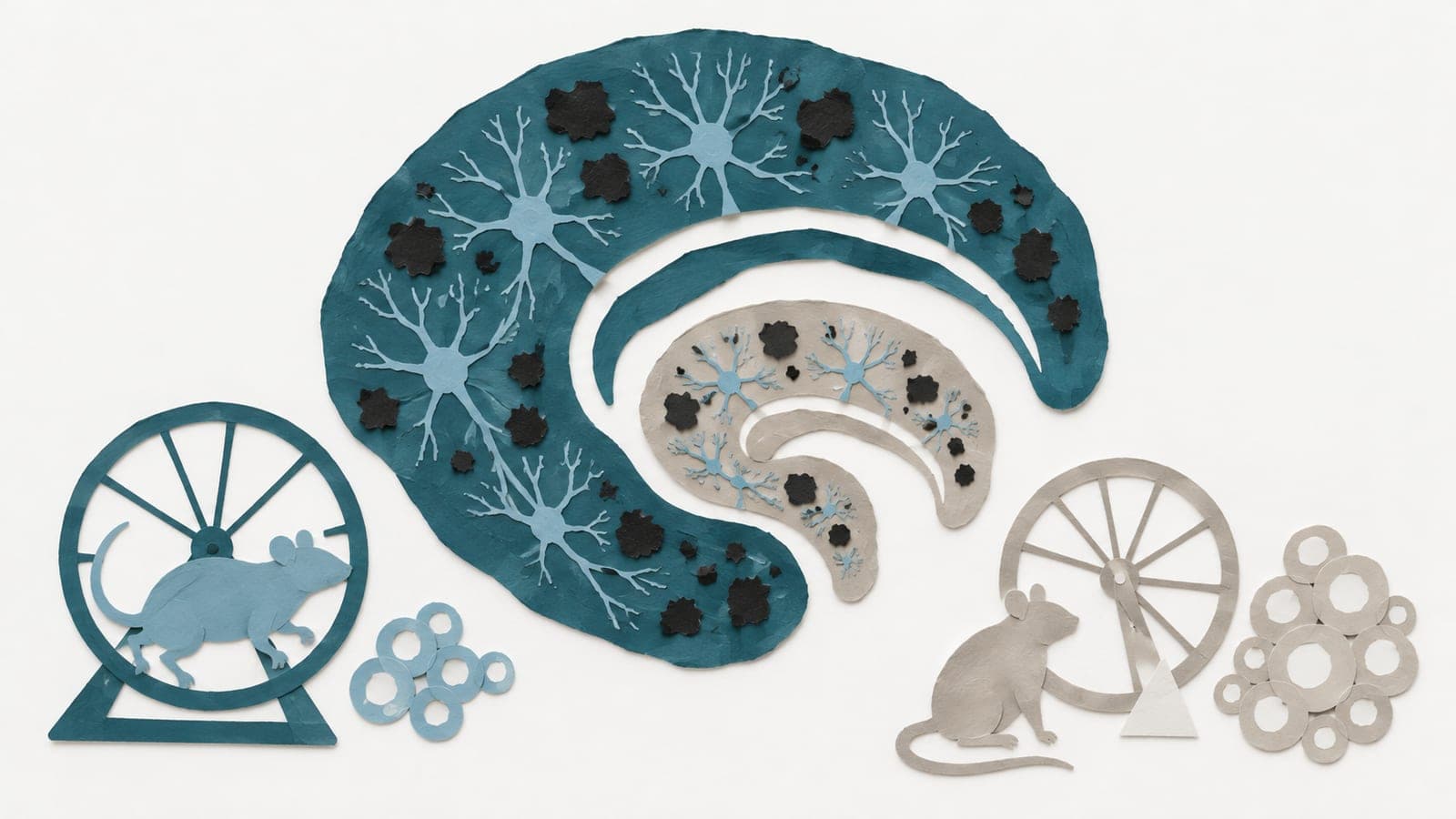
The glymphatic system is a brain-wide perivascular network hypothesized to facilitate the clearance of waste products that accumulate during normal brain activity, including neurotoxic proteins implicated in neurodegenerative diseases. Emerging evidence suggests that exercise may modulate glymphatic function, offering a potential mechanism to help explain the neuroprotective effects of exercise. In this review, we synthesize evidence from animal models and humans on the organization and regulation of the glymphatic system, examine its vulnerability to aging and neurodegenerative pathology, and discuss the potential roles of exercise in enhancing its function. We propose that the convergence between known regulators of glymphatic function and the physiological adaptations to exercise provides a mechanistic framework linking physical activity to glymphatic integrity and brain resilience.
The paper
Victoria University; The Royal Melbourne Hospital
Trends in Neurosciences, 30 Jun 2026, Open access