Brain scans suggest poorer fluid clearance in older adults
A cross-sectional study of 30 healthy adults linked older age to brain scan measures suggesting impaired fluid clearance and altered barrier function.
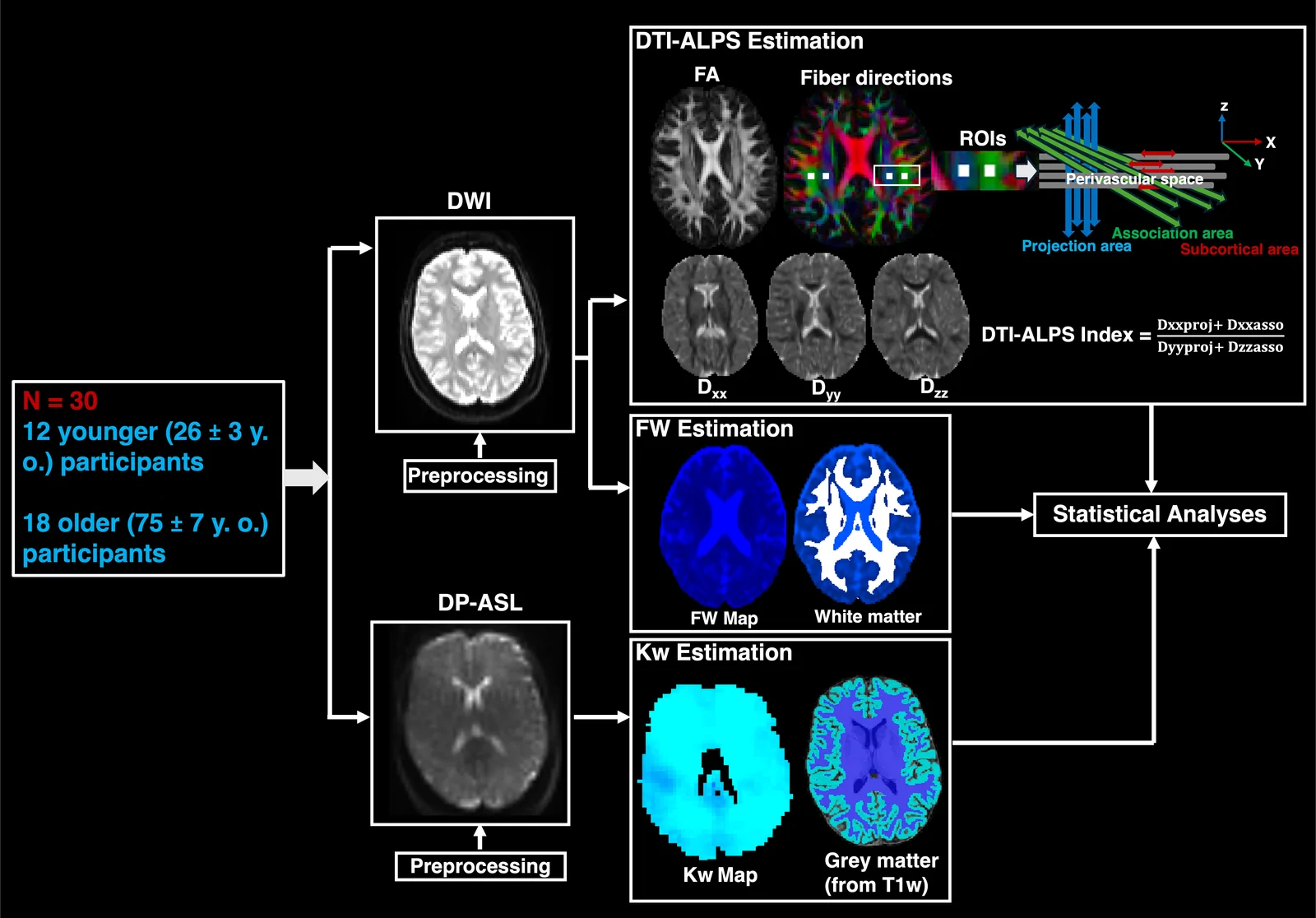
Thirty healthy adults with no known neurological or psychiatric disorders underwent brain scans in a cross-sectional observational study. Twelve younger participants averaged 26 years old; 18 older participants averaged 75. Researchers measured water exchange across the blood-brain barrier, which controls movement between blood and brain. They also measured water outside cells in white matter, tissue containing nerve fibres, and a scan-based indicator of the brain’s fluid-based waste clearance.
Older adults had lower whole-brain water exchange, more water outside cells in white matter and a lower clearance indicator. Reduced water exchange may reflect impaired barrier function, while the other changes indicated impaired clearance. Statistical analysis suggested a potential link between barrier function, water outside cells and clearance efficiency.
Why it matters
Understanding brain fluid handling in healthy aging may inform the development of imaging markers to help preserve cognitive health.
Caveats
The cross-sectional study used indirect scan measures and could not establish cause and effect or track changes within individuals over time. It included only 30 healthy adults.