Clonal Analyses Reveal the Impact of Hematopoietic Stem and Progenitor Cell Aging on T Cell Development
Abstract
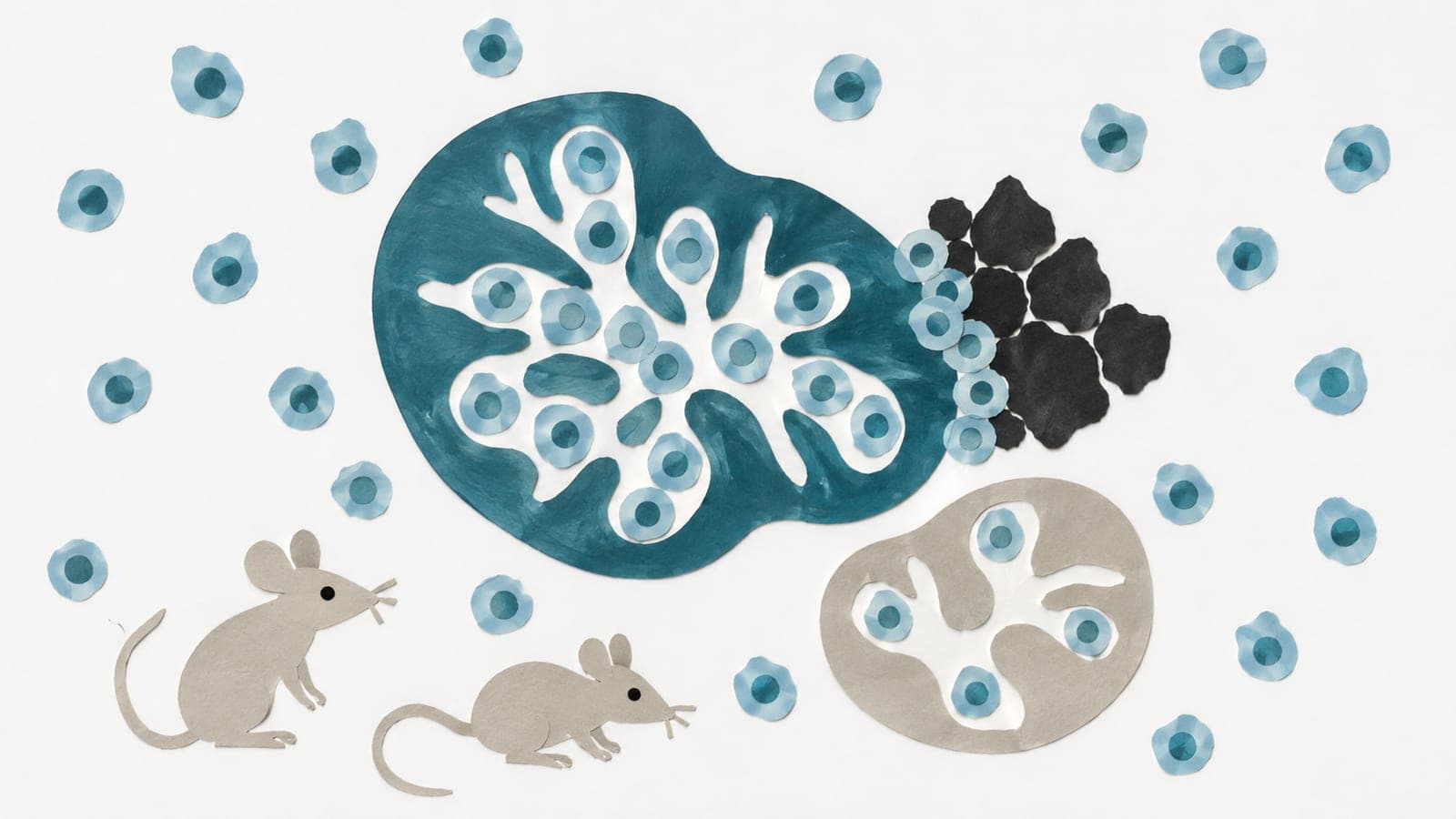
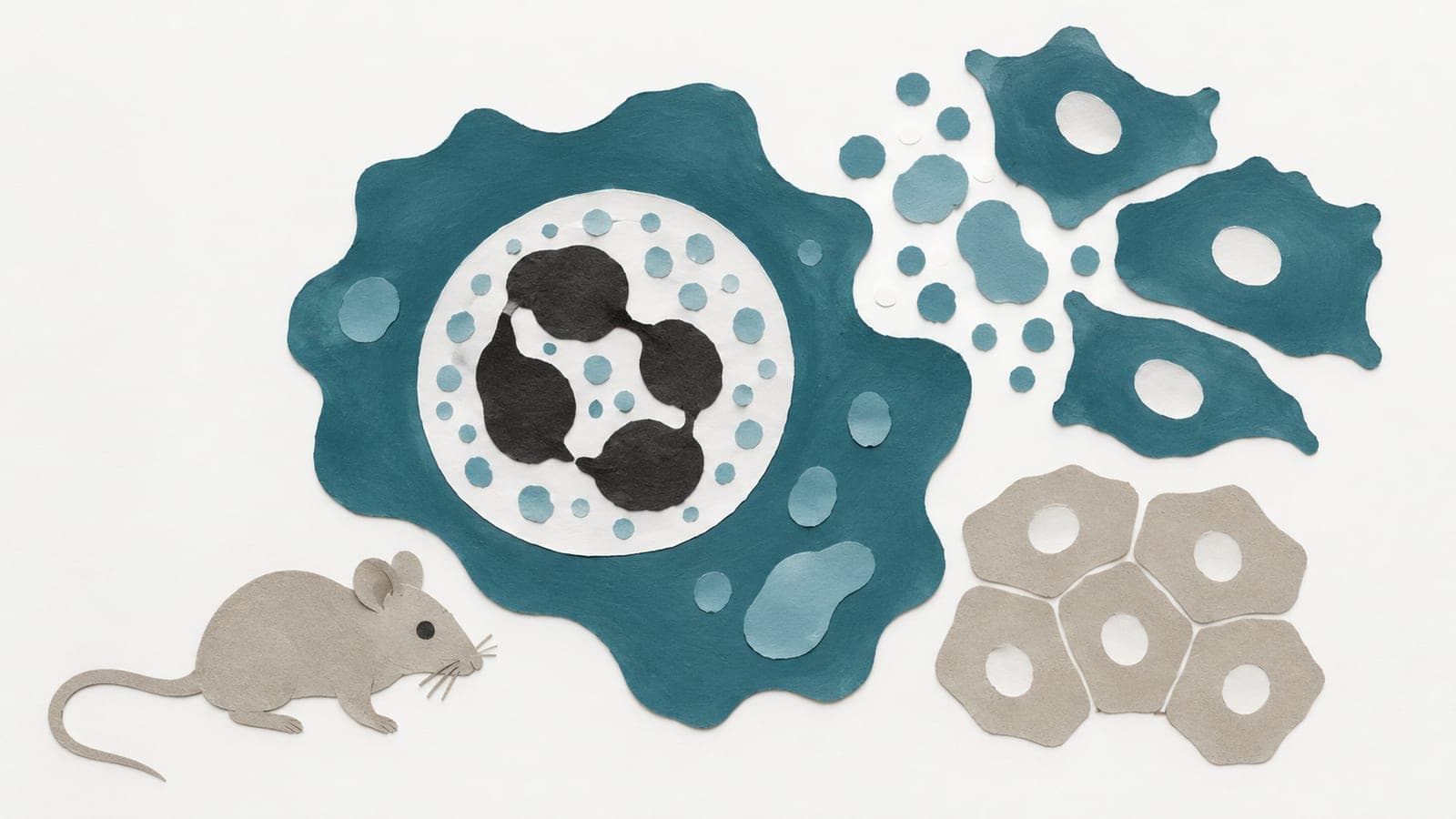
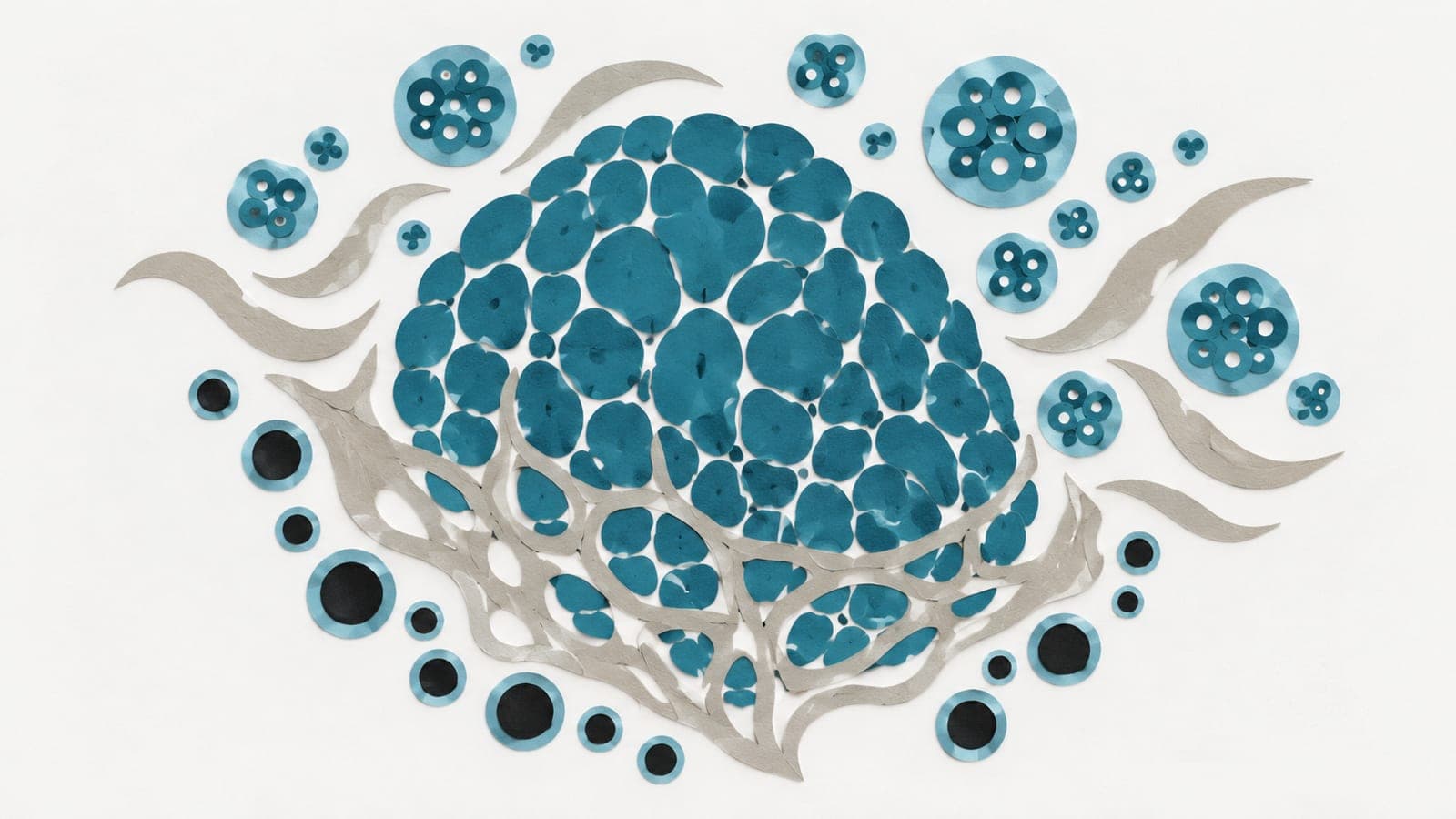
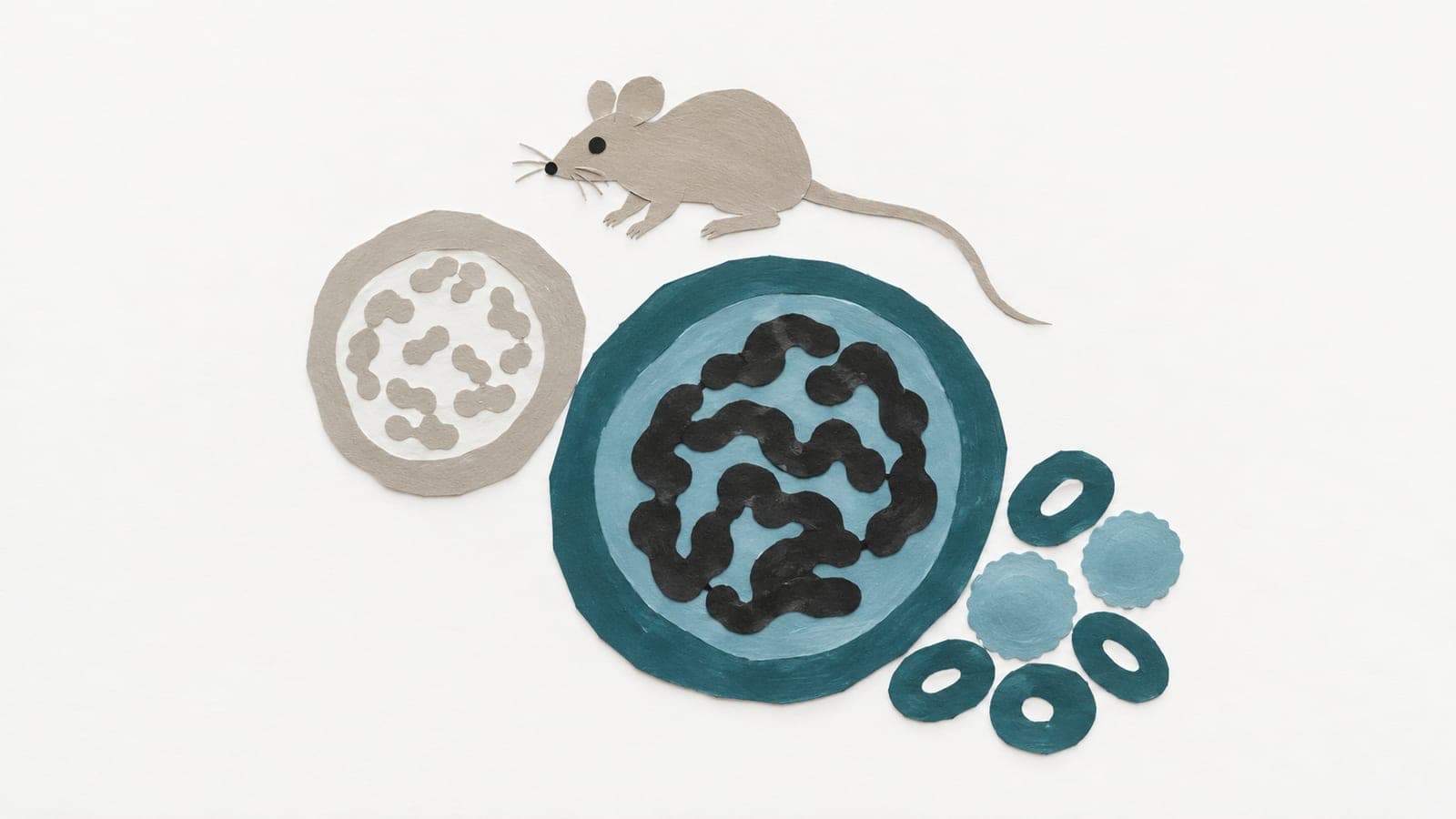
T cell output from the thymus falls throughout life and is associated with profound remodeling of the thymic stroma. To what extent the decline in T cell output is caused by aging of the hematopoietic stem and progenitor cells (HSPCs) has been difficult to define because of HSPC heterogeneity, the multi-stage process of HSPC migration, and the cross-talk between hematopoietic and stromal elements of the thymus. To address the contribution of HSPC aging on T cell development, we interrogated T cell differentiation of phenotypically defined HSPCs from young and aged bone marrow using the Artificial Thymic Organoid (ATO) system, an in vitro model which allows quantification of T cell differentiation from single HSPCs within a controlled microenvironment. Phenotypically, most HSCs from young bone marrow were CD150lo lymphoid-biased (Ly-HSC), whereas aged HSCs were predominantly CD150hi myeloid-biased (My-HSC). Clonal analysis showed Ly-HSCs had greater T cell potential than My-HSCs, but aging had little if any impact on T cell output from the same immunophenotypic HSC. Further, clonal studies of early thymic progenitors (ETPs) demonstrated comparable T cell potential in young and aged cells. We conclude that the hematopoietic contribution to thymic insufficiency during aging is likely due to a relative shift in the aged bone marrow to myeloid-biased HSCs, rather than a per cell loss of T cell potential across HSPC in general. The profound changes that occur in the thymic microenvironment during aging likely also provide a major contribution to defects in thymopoiesis.
The paper
University of California, Los Angeles
Aging Cell, 30 Jun 2026, Open access