Sirtuin 3 alleviates ovarian granulosa cell senescence through regulating mitochondrial quality control
Abstract
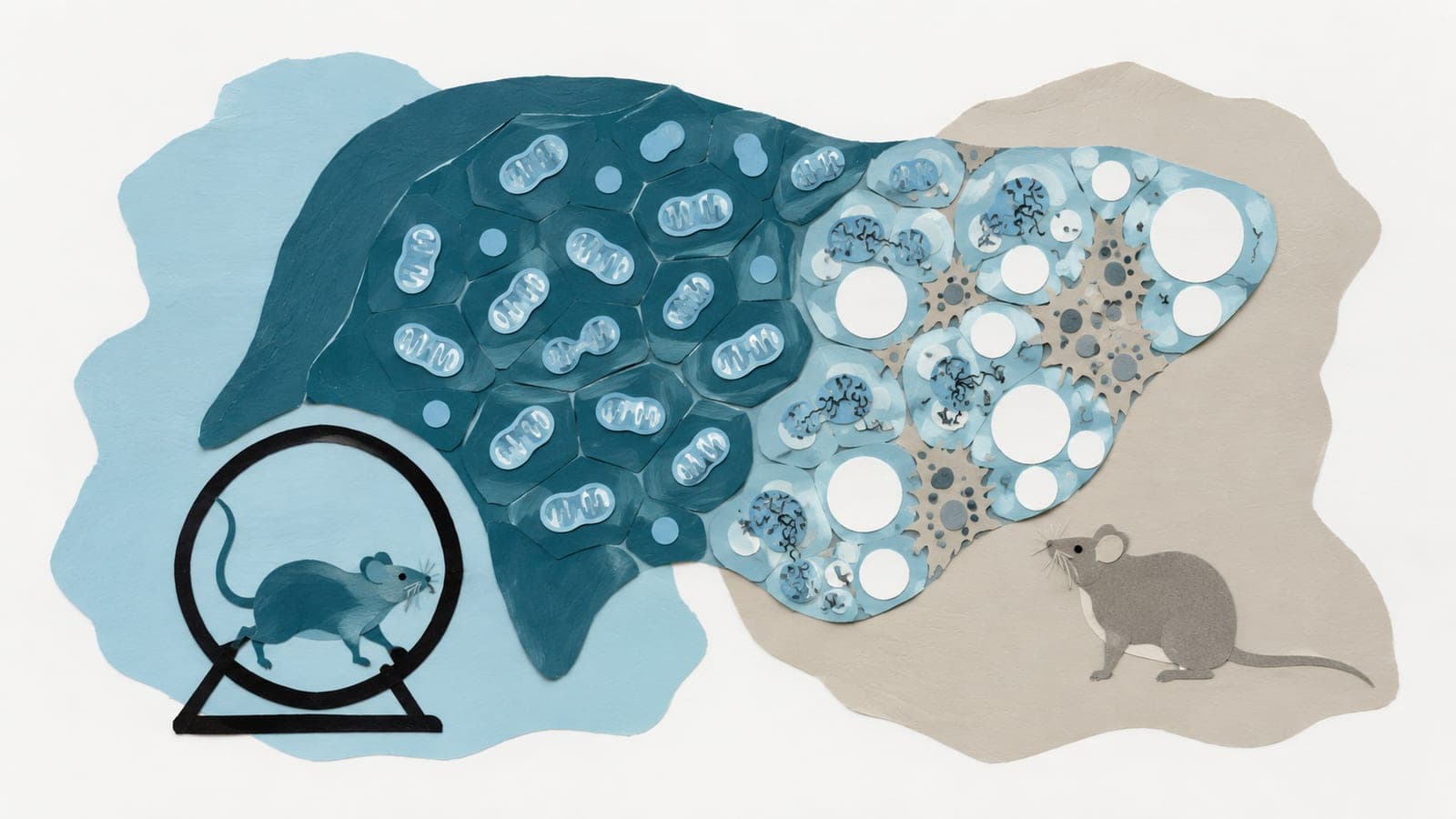
Cellular senescence-triggered irreversible proliferative arrest leads to follicular atresia and suppressed dominant follicle selection. Mitochondrial sirtuin 3 (SIRT3) contributes substantially to mitochondrial function, yet the exact molecular mechanisms underlying its regulation of granulosa cell senescence remain largely elusive. Here, single-cell transcriptomic profiling in goats revealed that the downregulation of SIRT3, together with cellular senescence and mitochondrial dysfunction, are the hallmark features of granulosa cells in aged ovarian follicles. Knockdown of SIRT3 led to cellular senescence, which was characterized by proliferative arrest, cell cycle dysregulation and DNA damage accumulation. Importantly, SIRT3 knockdown aggravated mitochondrial dysfunction, as evidenced by impaired mitophagy, elevated reactive oxygen species (ROS) and increased mitochondrial fragmentation. SIRT3 overexpression alleviated etoposide-induced senescence by restoring mitophagy and mitochondrial function. Transcriptomic profiling further confirmed the predominant involvement of SIRT3 in mitochondrial regulatory pathways. Collectively, our results reveal that SIRT3 alleviates granulosa cell senescence through the regulation of mitochondrial quality control, which is critical for sustaining physiological follicular development.
The paper
Southwest University
Theriogenology, 25 Jun 2026