Cellular Senescence and the SASP in HFpEF: Pathogenic Mechanisms and Therapeutic Targeting
Abstract
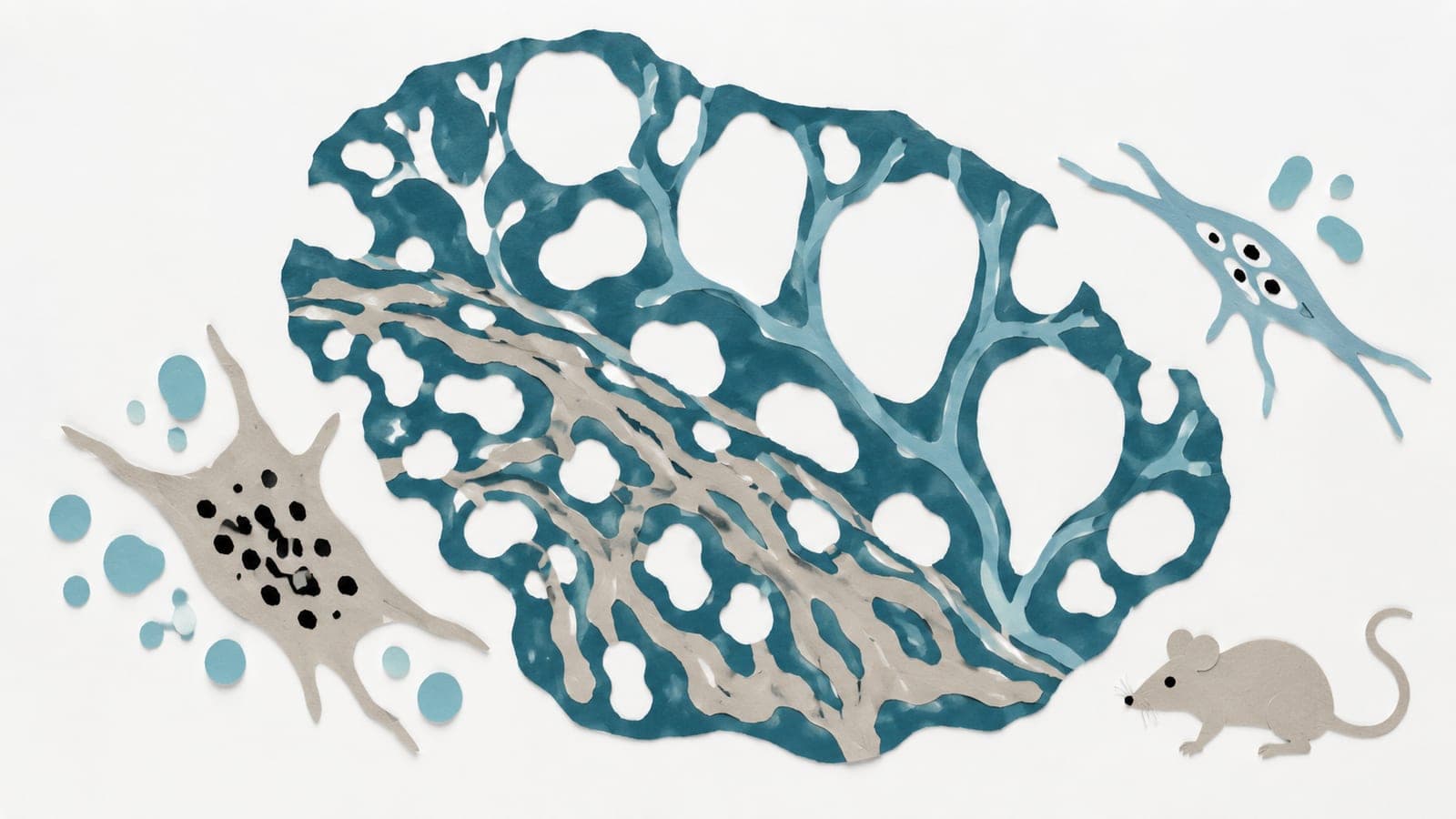
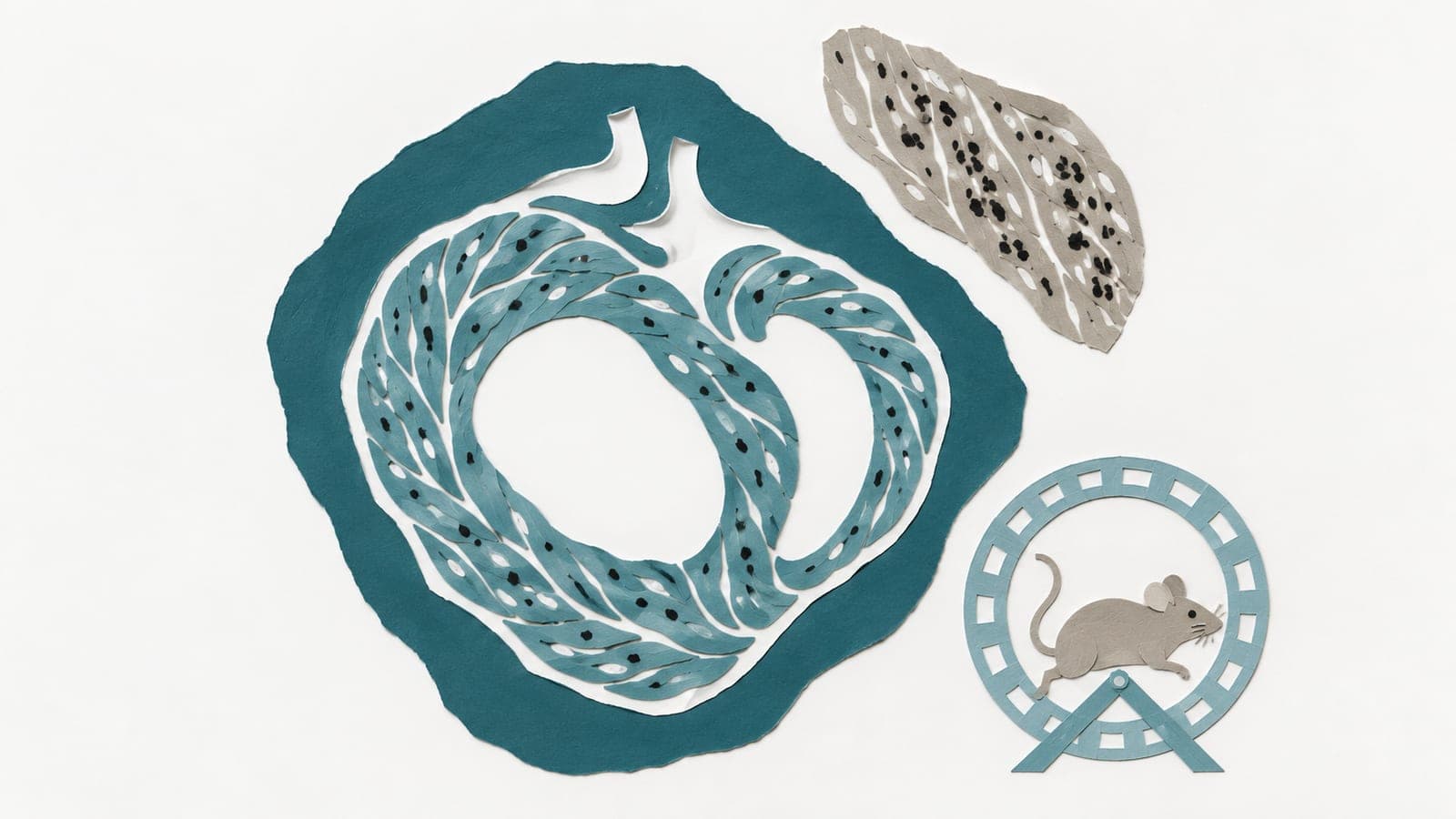
Heart failure with preserved ejection fraction (HFpEF) represents a complex syndrome strongly associated with aging, characterized by diastolic dysfunction, myocardial stiffness, and chronic low-grade inflammation. Cellular senescence and the ensuing senescence-associated secretory phenotype (SASP) significantly contribute to the pathogenesis and progression of HFpEF. This review examines the biological properties of SASP and its mechanistic roles in driving myocardial fibrosis, microvascular dysfunction, and cardiomyocyte injury. We synthesize evidence from preclinical and clinical studies demonstrating how SASP factors orchestrate HFpEF pathophysiology. The therapeutic potential of targeting SASP pathways is critically evaluated, including senolytic agents that eliminate senescent cells and senomorphic compounds that inhibit SASP factor secretion. Finally, we identify key translational barriers, such as limited tissue specificity in senolytic delivery and inadequate SASP biomarkers for treatment monitoring, while outlining future research directions to advance novel therapeutic development for this increasingly prevalent condition.
- Senolytics
- Senomorphics
- Cellular senescence
- Inflammation
- Senescence-associated secretory phenotype (SASP)
- Heart failure with preserved ejection fraction
The paper
Huazhong University of Science and Technology
International Journal of Molecular Sciences, Jun 10, 2026, Open access