The Aging Vaginal Microenvironment: A Communication Toolkit
Abstract
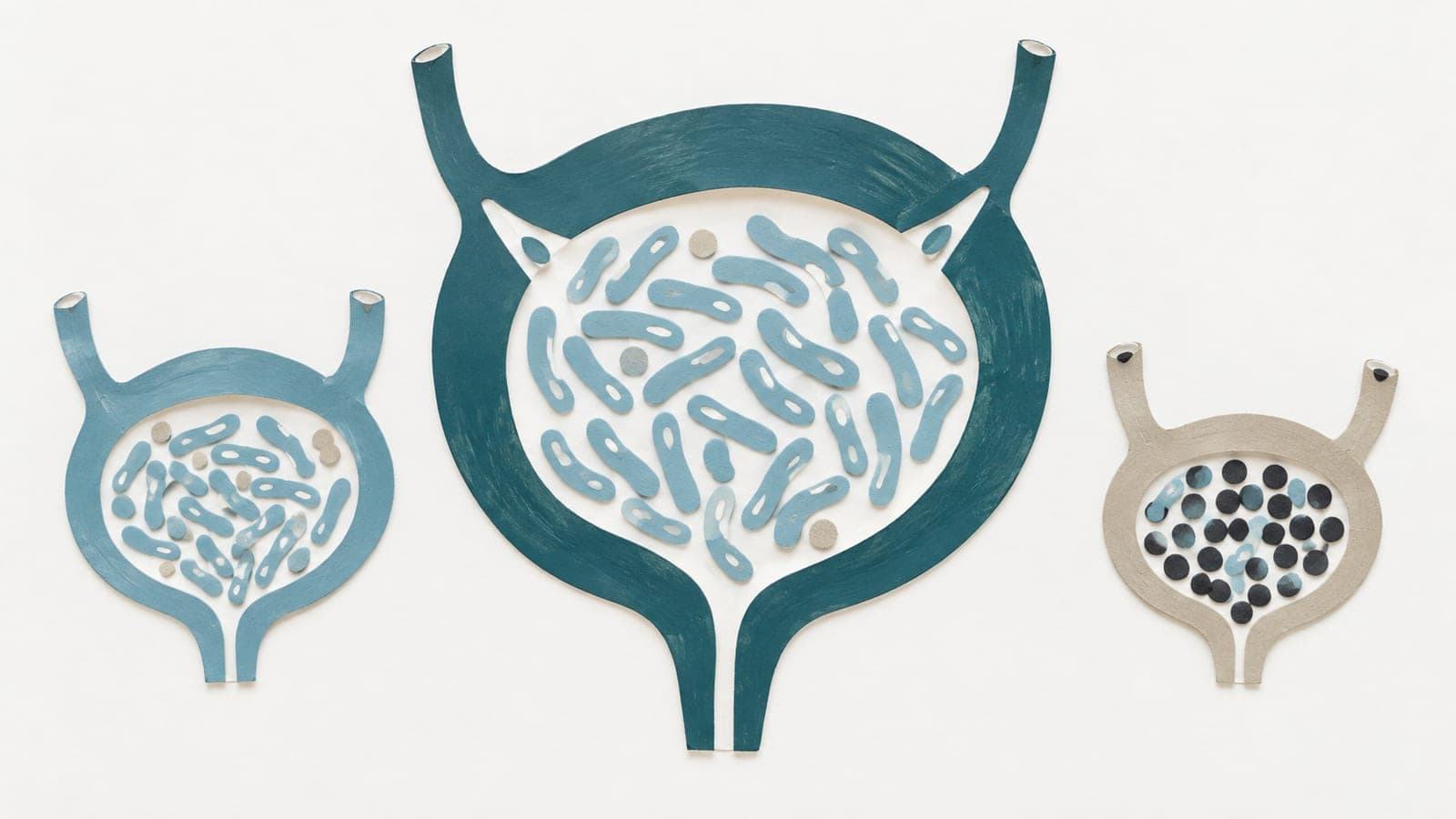
BACKGROUND: The vagina undergoes important changes across the life course that are shaped not only by hormonal transitions but also by shifts in the vaginal microbial environment. Despite growing interest in the vaginal microbiome, research has disproportionately centered reproductive-aged populations, leaving the aging vagina comparatively understudied. OBJECTIVE: This article examines the aging vagina through a life-course lens, with emphasis on microbial and clinical transitions associated with midlife and older adulthood. KEY CONTENT: The article highlights menopause-related changes and approaches for reducing stigma and missed clinical opportunities. Particular attention is given to menopause-related declines in estrogen, reduced glycogen availability, increased vaginal pH, and accompanying changes in microbial balance, as well as their relationship to dryness, irritation, genitourinary symptoms, and susceptibility to adverse outcomes. The article also provides health professionals with a practical educational framework for symptom recognition, patient communication, vaginal health assessment, menopause-related education, stigma reduction, and prevention of missed clinical opportunities. CONCLUSIONS: Positioning the aging vagina within life-course and microbial-health frameworks can strengthen prevention, improve symptom recognition, and support more ageinclusive, informed, and responsive care for older women.
The paper
University of Kentucky
Acta Microbiologica Hellenica, 10 May 2026, Open access