Vaginal estrogen changed bacterial communities after menopause
In a prospective study of postmenopausal women, 12 weeks of vaginal estrogen shifted urinary bacterial communities towards those seen in women without tissue thinning or symptoms.
12 weeks, controlled, registered NCT06633705
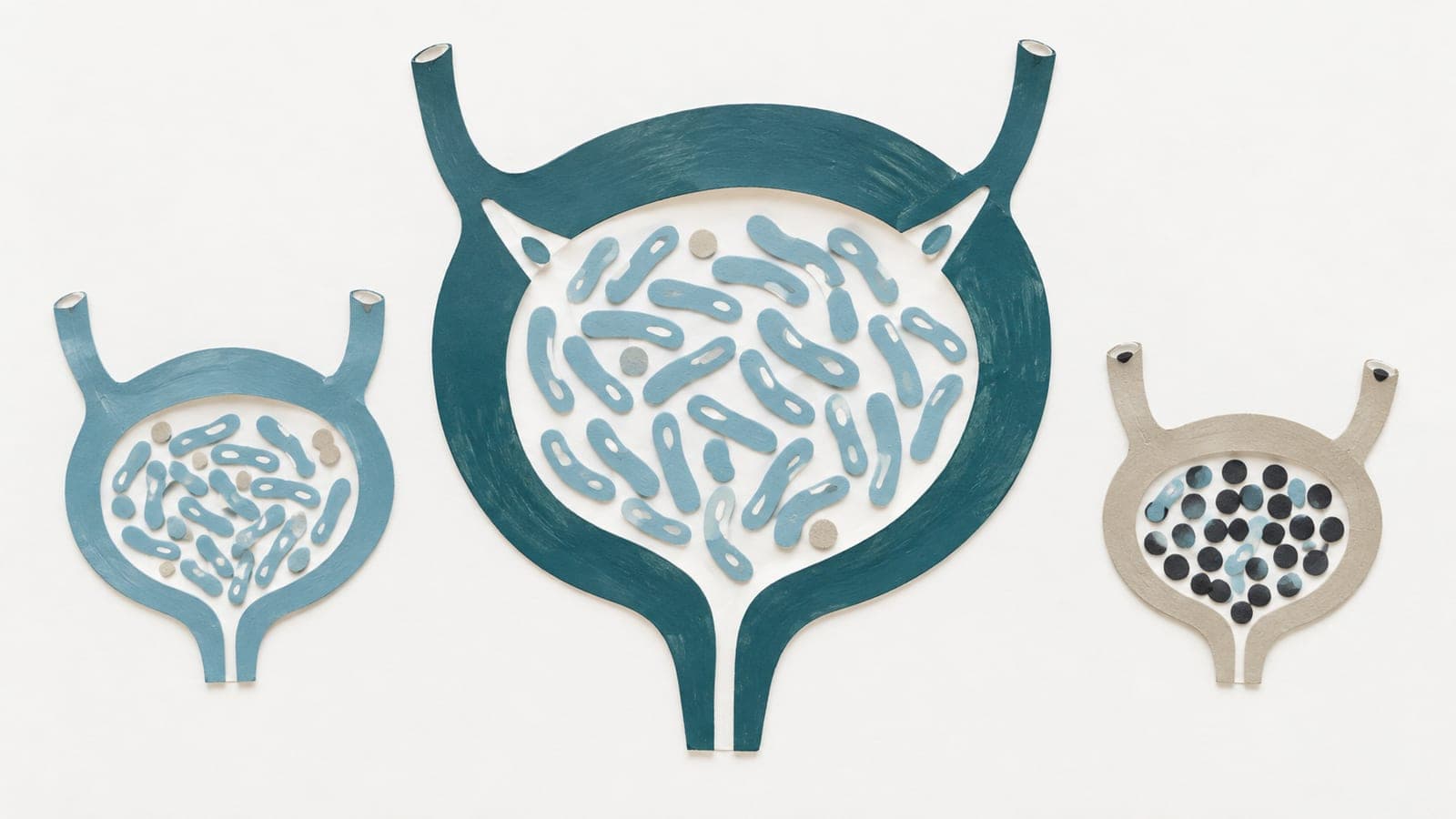
Postmenopausal women took part in a prospective study of microbial communities in the vagina, around the urethra—the tube carrying urine out of the body—and in the bladder. Researchers grouped women by tissue thinning, known as atrophy, and symptoms. They also assessed symptomatic women who received vaginal estriol, a form of estrogen, for 12 weeks.
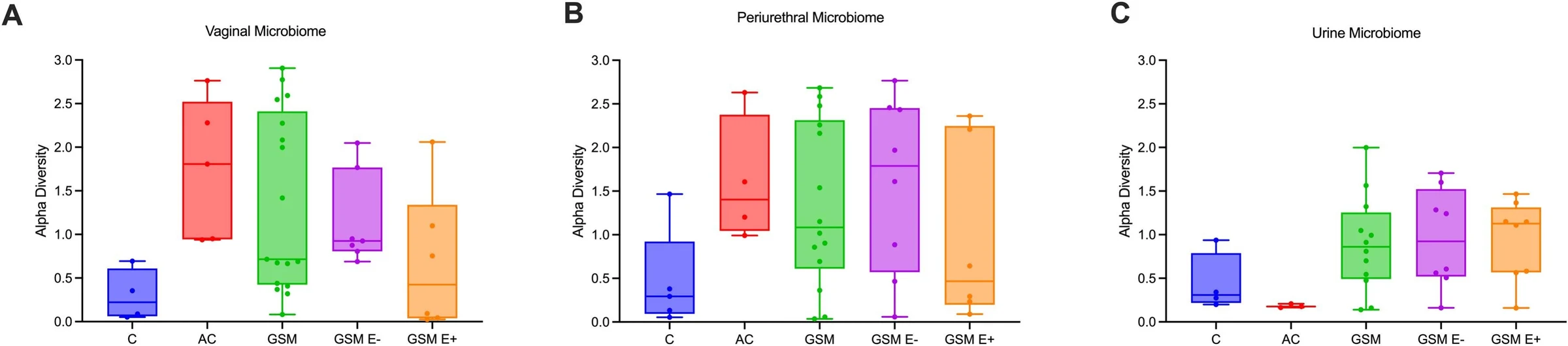
Women with atrophy but no symptoms, and women with symptoms, had more diverse vaginal and urethral-area communities than controls without atrophy or symptoms. They also had less Lactobacillus, a group of bacteria, in those areas. Estrogen increased this bacterial group’s abundance in both areas and shifted urinary communities towards the controls’ pattern. Around the urethra, the abundance of Streptococcus, another bacterial group, correlated with sexual symptom scores.
Why it matters
The study bears on whether microbes outside the vagina may help shape the genital and urinary symptoms that occur after menopause.
Caveats
The abstract did not state whether treatment was randomised or placebo-controlled, and gave no participant count. It did not report whether estrogen improved symptoms.
- Estriol
- Microbiome composition
- Vaginal atrophy
- Genitourinary syndrome of menopause
- Bray-Curtis dissimilarity
- Humans
The paper
Koç University School of Medicine; Koç University İşbank Center for Infectious Diseases (KUISCID)
Maturitas, 6 Oct 2026